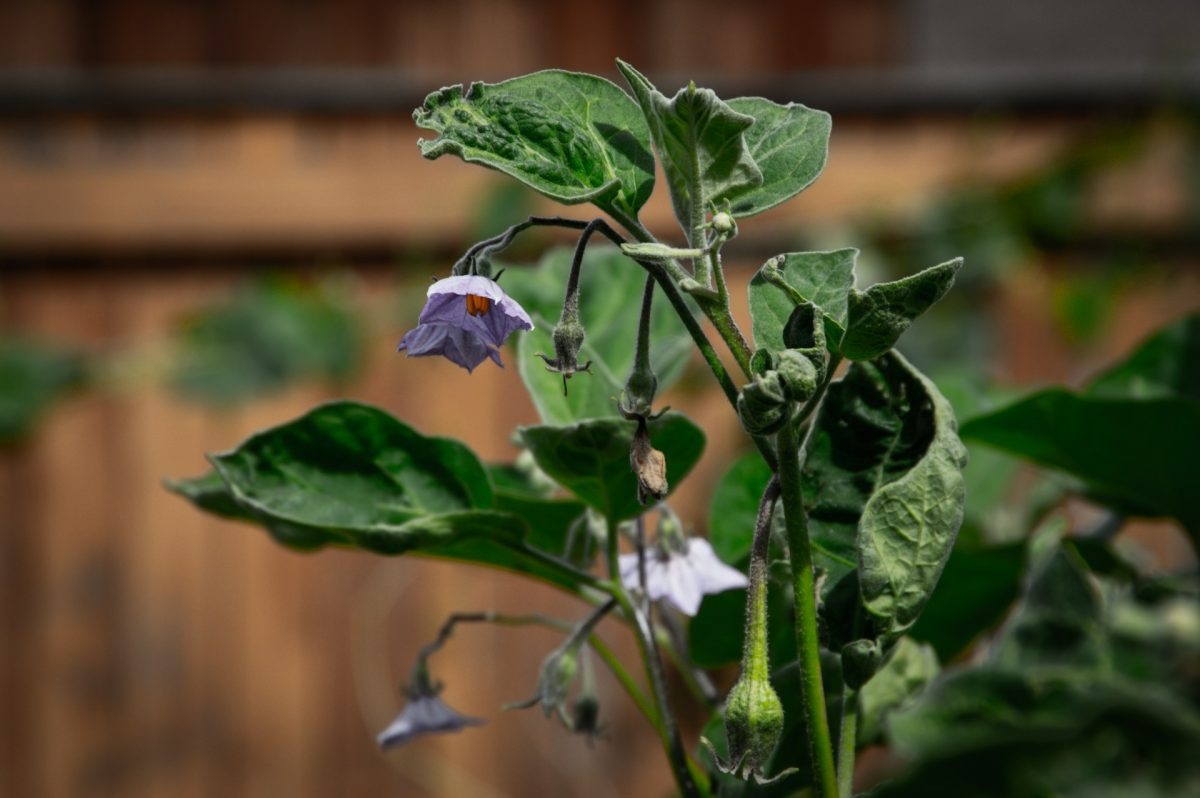
A drooping plant after a good watering session feels like a betrayal. Leaves sag, stems slump, and suddenly that once-thriving greenery looks like it gave up overnight. That moment sparks confusion because watering usually solves wilting, not causes it. Yet plants follow their own rules, and those rules revolve around roots, soil, and balance rather than quick fixes. When a plant wilts after watering, something deeper demands attention.
Plants do not simply drink and perk up like magic. They rely on a delicate system where roots absorb water, oxygen circulates through soil, and leaves regulate moisture loss. When that system breaks down, watering alone cannot rescue the situation. Instead, the extra water sometimes makes things worse.
When Water Becomes the Enemy
Water looks harmless, but too much of it turns into a serious problem underground. Roots need oxygen just as much as they need moisture, and overly wet soil suffocates them quickly. When soil stays saturated, tiny air pockets disappear, and roots struggle to breathe. This stress prevents proper water uptake, which creates the confusing situation where a plant wilts even though it sits in damp soil. The plant essentially drowns while surrounded by water.
Overwatering often leads to root rot, a condition caused by fungi thriving in soggy conditions. Rotting roots turn brown, mushy, and ineffective, which blocks the plant’s ability to absorb nutrients and water. Leaves begin to droop, yellow, or even fall off, and no amount of extra watering will fix the issue. Instead, the solution requires action that feels counterintuitive at first. Pull the plant from its pot, inspect the roots, and trim away any damaged sections. Repot the plant in fresh, well-draining soil and choose a container with proper drainage holes to prevent future problems.
Fixing this issue also means adjusting habits. Instead of watering on a rigid schedule, check the soil before adding more water. Stick a finger about an inch into the soil and only water when it feels dry at that depth. This simple habit prevents overwatering and gives roots the balance they need to function properly. Plants reward consistency, not excess, and learning that distinction changes everything.
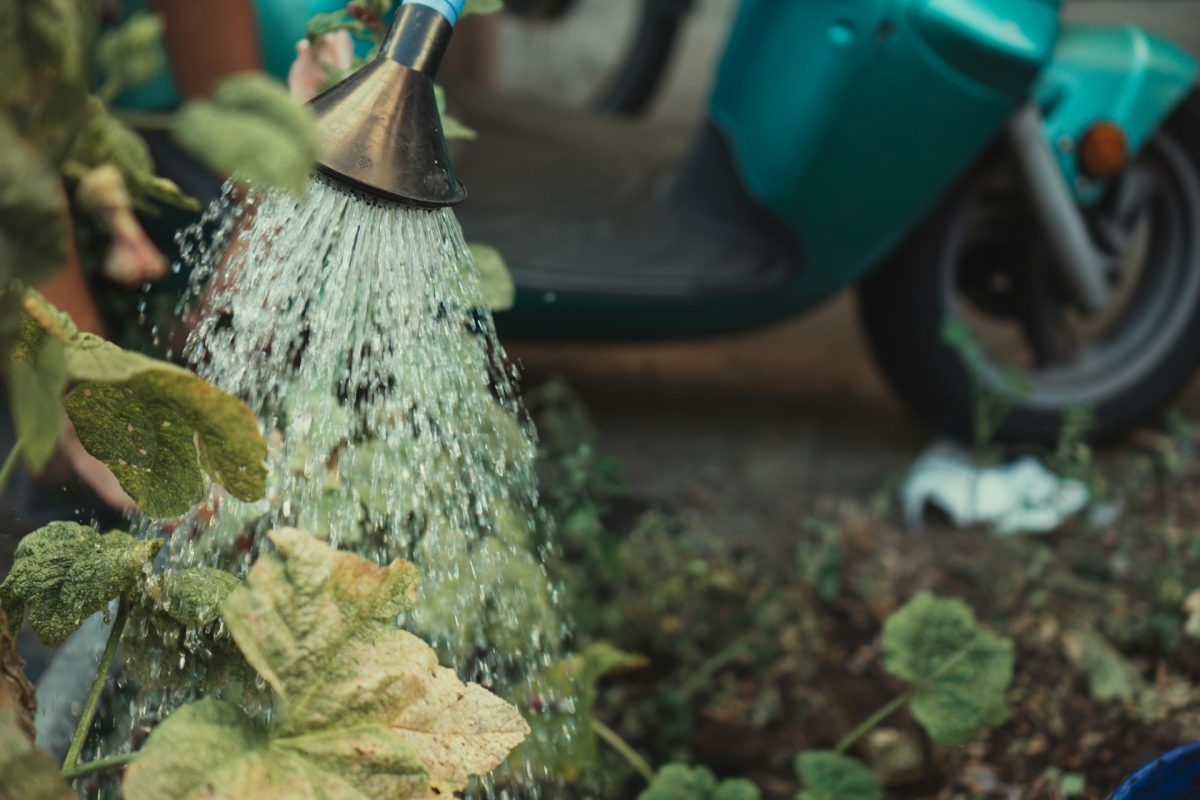
Soil Drama: When the Ground Stops Working
Soil plays a much bigger role than it gets credit for, and poor soil often explains why watering fails to revive a wilting plant. Over time, soil can become compacted, which limits airflow and blocks water from reaching the roots evenly. When this happens, water either pools on top or rushes through without soaking in properly. Both scenarios leave roots struggling, even when watering happens regularly.
Old soil also loses nutrients and structure, which weakens a plant’s overall health. Without the right balance of organic matter and drainage materials, the soil stops supporting the plant effectively. A plant stuck in tired soil may wilt because it cannot absorb what it needs, no matter how often it gets watered. Refreshing the soil gives plants a new foundation and often sparks a visible recovery within days.
Choosing the right soil mix matters just as much as replacing it. Different plants require different textures, so a one-size-fits-all approach rarely works. Succulents need fast-draining soil with sand or perlite, while tropical plants prefer richer, moisture-retentive mixes. Matching the soil to the plant’s natural environment helps regulate moisture and airflow. This adjustment eliminates a major cause of post-watering wilting and sets the stage for healthier growth.
Heat, Light, and Stress: The Invisible Culprits
Environmental conditions can push plants into stress mode, even when watering seems perfect. High temperatures increase evaporation, which forces plants to lose water faster than they can absorb it. Bright, direct sunlight can intensify this effect, especially for plants that prefer indirect light. As a result, leaves wilt even though the soil remains moist, creating a frustrating mismatch between cause and effect.
Indoor conditions can create similar problems. Air conditioning and heating systems dry out the air, which accelerates moisture loss through leaves. Plants respond by wilting as they struggle to maintain hydration balance. This issue often shows up suddenly, especially during seasonal changes when indoor environments shift dramatically.
Adjusting placement can solve this problem quickly. Move plants away from harsh direct sunlight if they show signs of stress, and consider placing them in areas with stable temperatures. Adding humidity through misting or a small humidifier can also help certain plants recover faster. Paying attention to environmental cues helps prevent unnecessary watering and keeps plants in a more stable state overall.
The Pot Problem: When Containers Sabotage Success
The wrong pot can quietly sabotage even the best plant care routine. Containers without drainage holes trap excess water at the bottom, which creates a constant soggy environment for roots. Even careful watering cannot prevent this buildup, and roots eventually suffer from lack of oxygen. Wilting becomes inevitable under these conditions, no matter how attentive the care routine seems.
A pot that is too large holds more soil than the plant needs, which means water lingers longer than expected. This excess moisture increases the risk of root rot and weakens the plant over time. On the other hand, a pot that is too small can restrict root growth and limit water absorption, which also leads to wilting.
Choosing the right container involves balancing size and functionality. Select a pot that allows a little room for growth without overwhelming the plant. Always prioritize drainage holes and consider using a saucer to catch excess water instead of letting it sit around the roots. Repotting into the correct container often solves persistent wilting issues and gives plants a fresh start.
Timing Matters More Than You Think
Watering at the wrong time of day can affect how well plants absorb moisture. Watering during the hottest part of the day leads to rapid evaporation, which means less water reaches the roots. This leaves plants dehydrated even after watering, especially in warm environments. Early morning or late afternoon watering allows moisture to soak into the soil more effectively.
Consistency also matters, but rigid schedules often create more problems than they solve. Plants do not follow a calendar, and their needs change based on weather, growth stage, and environment. Observing the plant and checking the soil provides better guidance than sticking to a fixed routine. This approach prevents both overwatering and underwatering.
Small adjustments in timing and observation can make a noticeable difference. Plants respond quickly when their needs get met properly, and leaves often regain firmness within a short period. Paying attention to these details helps build a stronger connection with plant care and reduces the chances of repeated wilting.
Turning Wilting Into a Comeback Story
Wilting after watering signals a problem, but it also offers a chance to reset and improve plant care habits. Each potential cause points toward a specific solution, whether that means trimming roots, refreshing soil, adjusting light, or switching pots. Taking the time to diagnose the issue instead of reacting with more water creates better outcomes in the long run. Plants respond to thoughtful care, not panic.
What changes have worked best for struggling plants, and which strategies brought them back to life? Share those ideas, insights, or even plant rescue stories in the comments.
You May Also Like…
How to Revive Plants After Accidental Overwatering
Why Overwatering in March Wastes Money
Cheap Support Ideas for Vining Plants Like Tomatoes and Beans
The Watering Habit That’s Quietly Killing Your Plants (Experts Are Begging Gardeners to Stop)
Are You Overwatering Plants Before They Even Go Outside?

Brandon Marcus is a staff writer for FrugalGardening.com at District Media, Inc., where he delivers practical gardening advice with a relatable, no-nonsense style. An avid amateur gardener, he holds a BA degree and with over ten years of professional writing experience, he is also an award-winning published author whose first book, Questions For Deep Thinkers, was released by Adams Media. His work has appeared in major publications including Fandom.com, CHUD.com, TheColdWire.com, and Fansided.com.
Leave a Reply