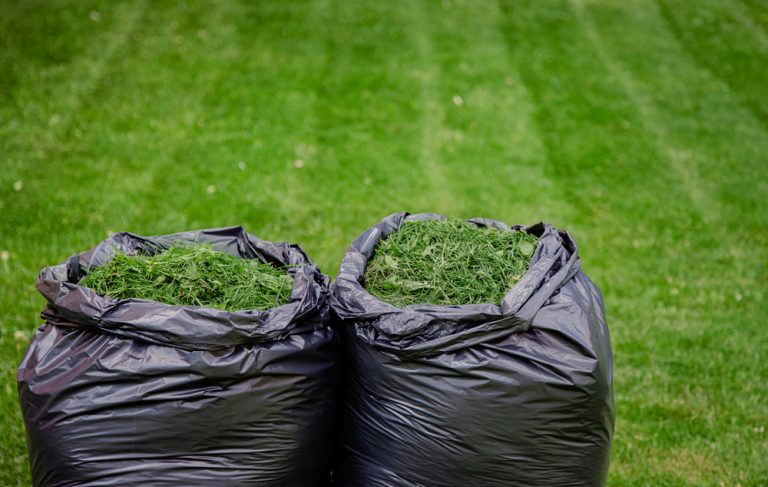
The next time the lawn mower leaves behind a fresh layer of grass clippings, think twice before stuffing them into a bag. Those green leftovers can become one of the cheapest and most effective garden helpers around when used as leaf litter mulch. Instead of paying for bags of mulch every spring, gardeners can recycle…
soil health
Composting in Hot Weather: How Turning and Moisture Control Speed Up Decomposition
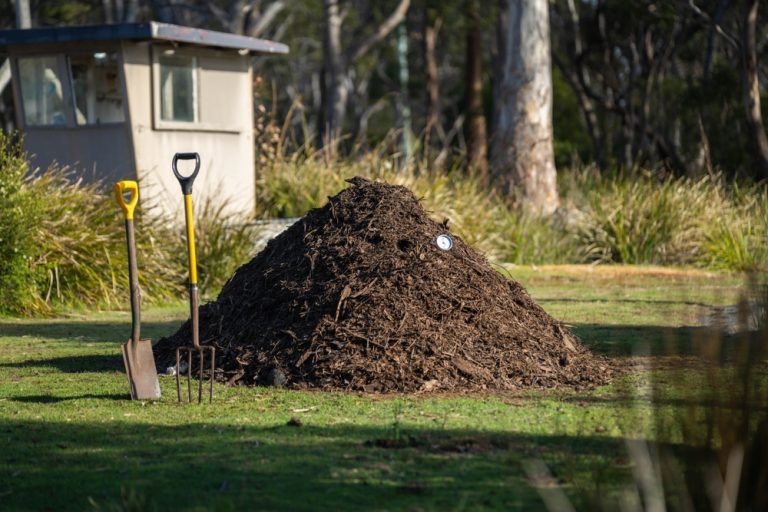
Hot weather can turn a compost pile into a fast-moving recycling machine, but only when the balance stays just right. Summer heat gives beneficial microbes a natural boost, yet blazing temperatures can also dry out a pile so quickly that decomposition slows to a crawl. A few simple habits, especially regular turning and careful moisture…
The Gardening Mistake That Can Destroy Plants After Heavy Rain
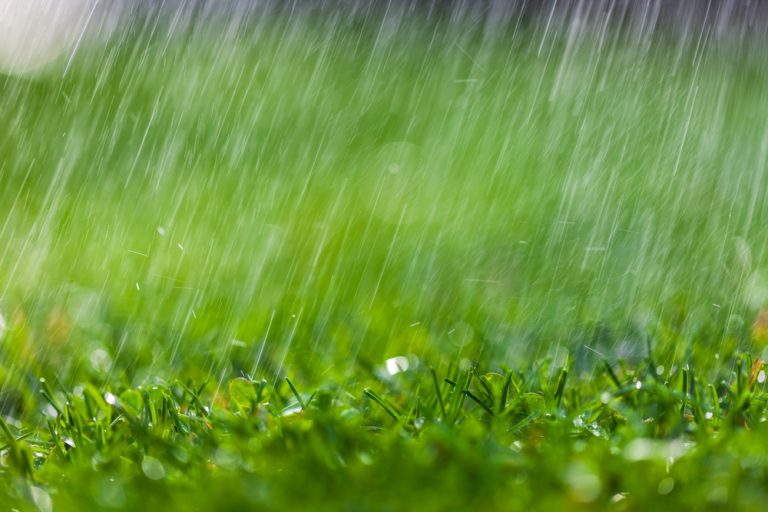
Heavy rain feels like a gift to the garden, soaking everything in a deep, refreshing drink that seems to promise lush growth and happy plants. But right after the storm passes, one small mistake can quietly set off a chain reaction that damages roots, weakens stems, and invites disease. Many gardens look perfectly fine on…
The Gardening Mistake That Causes Raised Beds to Dry Out Faster
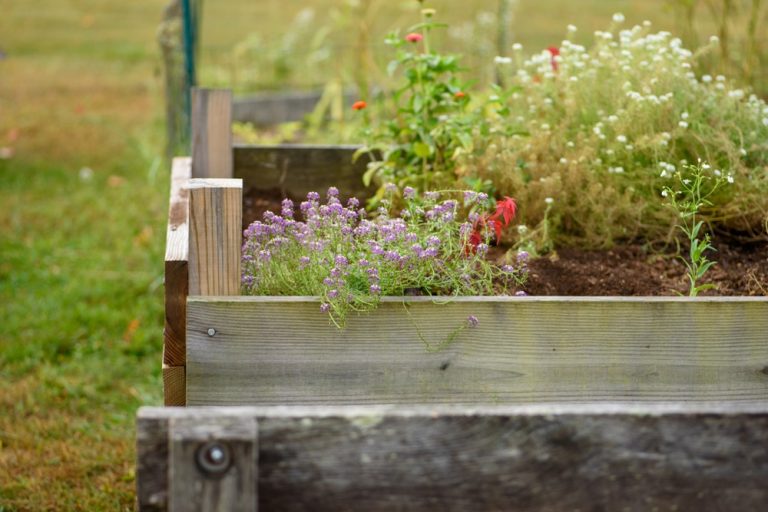
Raised beds often promise lush vegetables, faster growth, and easier maintenance. However, one overlooked habit can completely flip that expectation and leave gardeners constantly chasing dry soil instead of enjoying thriving plants. The frustrating part is that this issue does not usually come from neglect or poor watering habits. Instead, it comes from a simple…
The Gardening Habit That Can Reduce Weeds Naturally
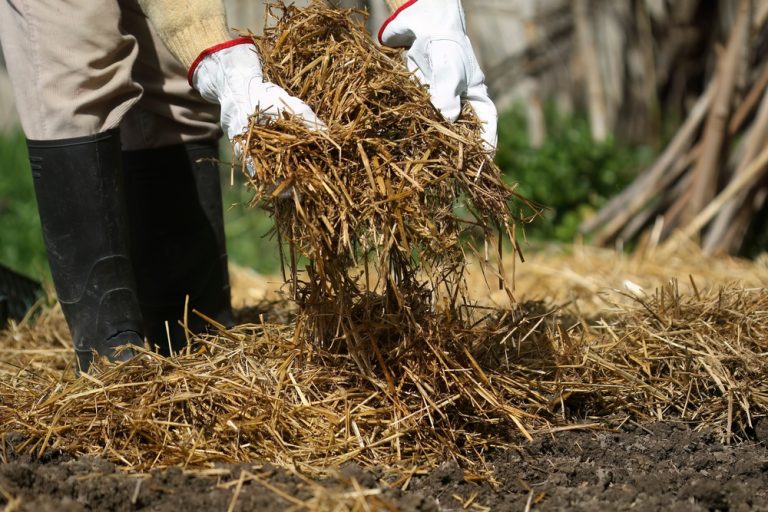
Weeds always seem to appear at the worst possible moment, turning a tidy garden into a messy scramble of unwanted growth. One simple habit changes that entire dynamic by making it harder for weeds to even get started in the first place. Instead of relying on constant pulling or chemical sprays, gardeners can shift the…
7 Reasons Your Cucumbers Keep Dying Early
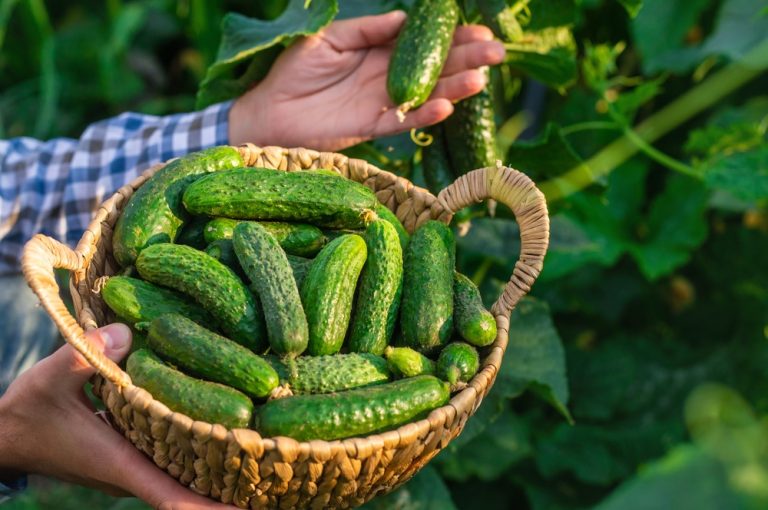
Cucumbers can turn a promising garden into a frustrating one when vines suddenly yellow, wilt, or collapse before producing much fruit. These fast-growing plants often look strong in the beginning, then quickly struggle once real garden pressures kick in. The good news is that most early cucumber problems trace back to specific, fixable mistakes or…
7 Things You Should Never Put in Your Compost Bin
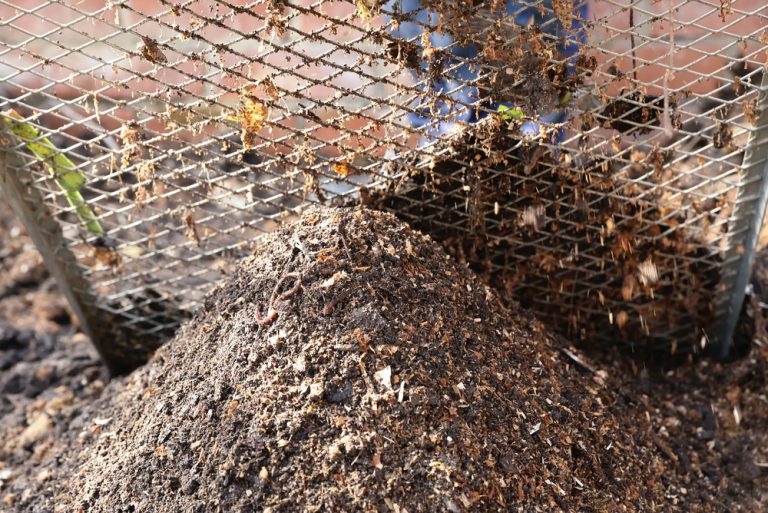
Composting turns everyday kitchen and yard scraps into nutrient-rich soil, but the wrong additions can quickly flip that success story upside down. A single poor choice can invite pests, slow decomposition, or even introduce harmful pathogens into the mix. Many gardeners focus on what to add, yet the real secret often lies in what gets…
Why Overwatering Is More Dangerous Than Underwatering
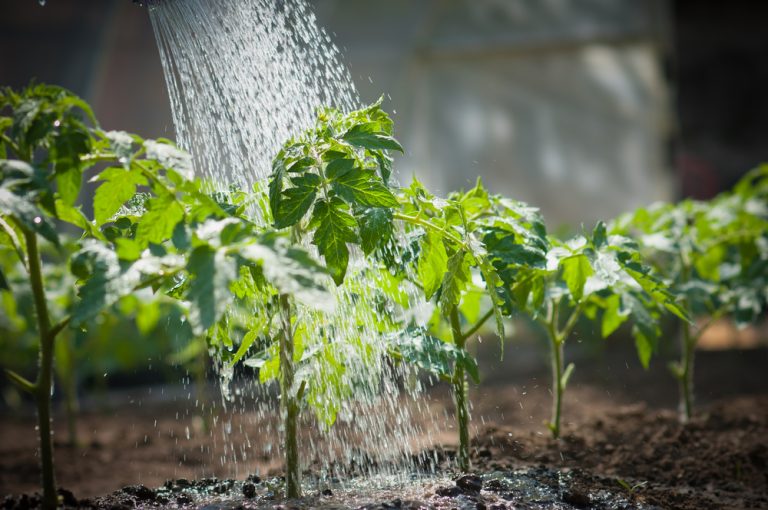
Gardening success often depends on one deceptively simple habit: watering correctly. Many gardeners assume extra water always helps plants, but that belief causes more damage than dry soil ever could. Overwatering suffocates roots, disrupts soil balance, and creates the perfect storm for plant decline. Plants rely on oxygen as much as they rely on moisture,…
The Summer Gardening Mistake That Kills More Plants Than Heat
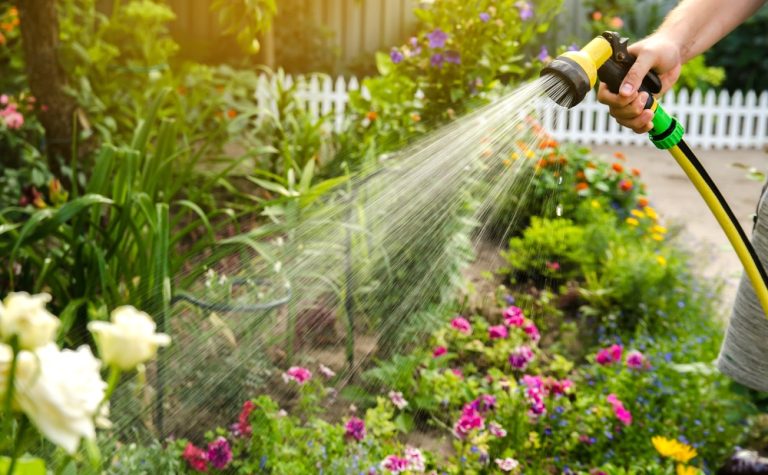
Summer gardens often look like they struggle because of scorching temperatures, but heat alone does not usually deliver the final blow. A far more common culprit hides in plain sight and quietly weakens plants day after day. Many gardeners believe more water automatically means healthier plants during hot spells. That assumption creates conditions that actually…
What Experienced Gardeners Wish They Knew Their First Year
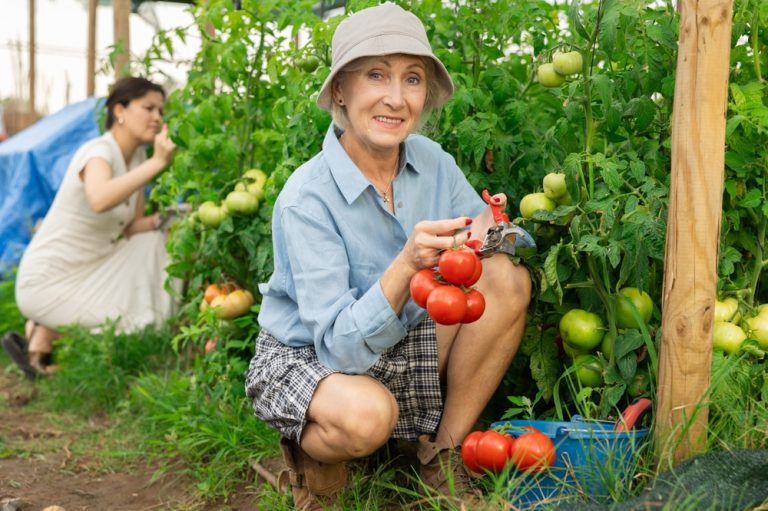
Gardening looks simple from the outside, but the first season often surprises new growers in ways no seed packet ever mentions. Many beginners start with excitement, only to hit confusing setbacks like drooping plants, patchy growth, or soil that refuses to cooperate. Experienced gardeners often look back and wish someone had explained a few core…