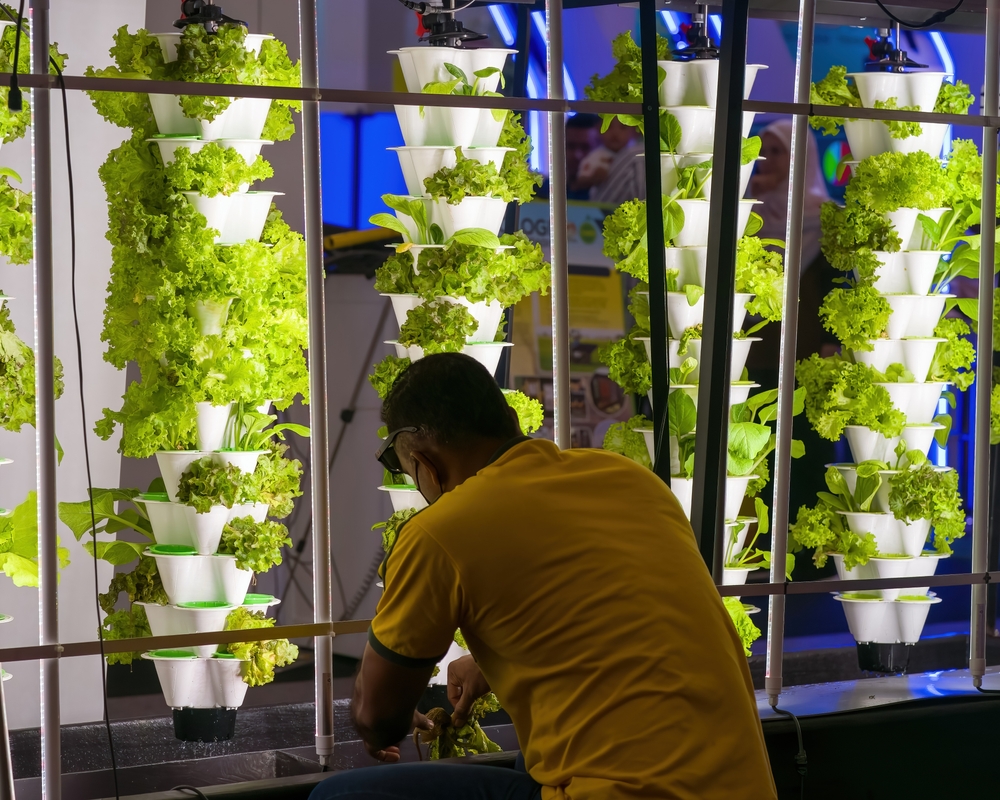
Fresh vegetables do not require acres of land or expensive raised beds. A simple stretch of sunlight, a bit of PVC pipe, and clever design can turn even the smallest space into a thriving food factory. A vertical PVC gardening tower transforms unused corners into stacked growing zones that produce far more food than traditional flat garden beds. Gardeners who want higher yields without higher costs often discover this method as a game-changer.
This approach keeps gardening affordable while unlocking surprising productivity. A $15 build can support leafy greens, herbs, strawberries, and even compact fruiting plants when designed correctly. The vertical PVC gardening tower also solves common space problems by growing upward instead of outward.
Why a $15 Vertical PVC Gardening Tower Changes Small-Space Growing
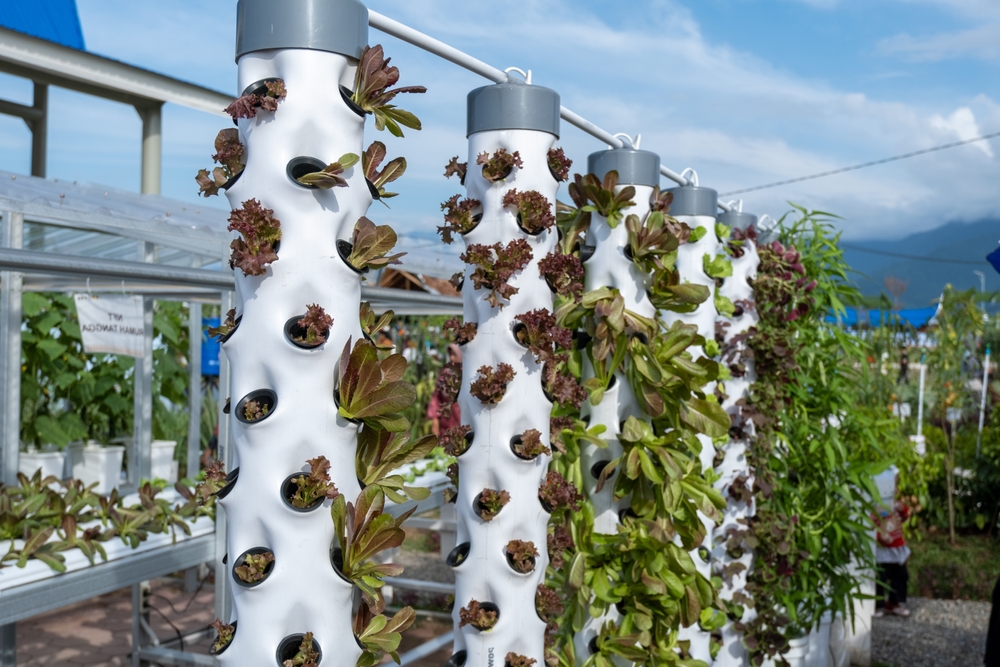
A vertical PVC gardening tower maximizes planting space by stacking multiple growing pockets along a single pipe. This design allows plants to grow in a spiral arrangement that captures sunlight efficiently. Many gardeners choose a vertical PVC gardening tower because it transforms one square foot into several productive planting zones. The structure also improves airflow, which helps reduce common plant diseases.
Cost plays a huge role in its popularity, and the $15 price point keeps it accessible. Standard PVC pipes, basic tools, and a few fittings create a surprisingly durable system. The vertical PVC gardening tower also reduces soil waste because each planting pocket uses only what it needs. This efficiency makes it ideal for budget-conscious growers who still want abundant harvests.
Materials and Smart Design Choices for a Budget-Friendly Build
A successful vertical PVC gardening tower starts with selecting the right pipe size, usually four to six inches in diameter. Drain holes spaced evenly along the pipe ensure proper water flow and prevent root rot. The design also benefits from a stable base that keeps the structure upright during wind or watering cycles. Every part contributes to a strong and reliable vertical PVC gardening tower.
Smart builders avoid overcomplicating the design and focus on simplicity. A single long pipe, capped bottom, and drilled planting slots create a clean and efficient system. The vertical PVC gardening tower works best when soil retention and drainage balance each other perfectly. That balance helps plants grow stronger roots while staying well hydrated.
Step-by-Step Setup That Makes the Vertical PVC Gardening Tower Thrive
The setup begins by cutting uniform planting holes along the length of the pipe. Each hole should allow enough room for root expansion without weakening the structure. A vertical PVC gardening tower performs best when holes follow a staggered spiral pattern for equal light exposure. This layout prevents overcrowding and supports even plant growth.
Next comes filling the pipe with a lightweight soil mix that retains moisture while draining excess water. Watering tubes or top-funnel systems help distribute moisture evenly throughout the tower. The vertical PVC gardening tower thrives when watering stays consistent and never floods the base. A stable setup ensures strong early growth and long-term productivity.
Plant Selection Tricks That Maximize Harvest in Tight Spaces
Leafy greens like lettuce, spinach, and kale grow exceptionally well in a PVC gardening tower because they do not require deep root space. Herbs such as basil, parsley, and cilantro also thrive in stacked environments with steady sunlight. Strawberries add a productive and visually appealing layer that climbs naturally through the system. Each plant choice increases the efficiency of the vertical PVC gardening tower.
Companion planting improves overall yield by pairing fast growers with slower, long-term crops. Radishes, for example, mature quickly and free up space for larger plants. The vertical PVC gardening tower benefits from staggered harvesting cycles that keep production continuous. This strategy turns a simple structure into a year-round food source.
Common Mistakes That Can Sabotage a Vertical PVC Gardening Tower
Overwatering ranks as one of the biggest mistakes in a PVC gardening tower setup. Excess moisture leads to root rot and weak plant development, especially in stacked systems. Poor soil choice also harms growth by compacting roots and limiting oxygen flow. A successful vertical PVC gardening tower always uses light, airy soil blends.
Another common issue involves overcrowding planting holes without considering mature plant size. This mistake reduces airflow and increases pest risks across the tower. The vertical PVC gardening tower performs best when spacing allows each plant room to breathe and expand. Proper planning always leads to healthier and more productive harvests.
Big Harvests From Small Spaces: What This Method Delivers
A vertical PVC gardening tower proves that productive gardening does not require large land areas or expensive infrastructure. This system turns vertical space into a high-efficiency growing zone that supports continuous harvests. Gardeners who build a vertical PVC gardening tower often discover improved yields, reduced maintenance, and faster plant cycles. The simplicity of the design makes it accessible while still delivering impressive results.
Long-term success depends on consistent care, smart plant choices, and balanced watering habits. A well-maintained vertical PVC gardening tower produces fresh food throughout the growing season with minimal cost. This method reshapes how small-space gardening works by prioritizing efficiency and creativity. With the right setup, even the smallest corner can become a thriving edible landscape.
What creative plants would make the perfect addition to a vertical PVC gardening tower in your yard? Let’s chat in our comments!
You May Also Like…
Vertical Veggies: Growing a Massive Harvest in Less Than 2 Square Feet
Turning Pallets into Gold: How to Build a Vertical Garden for $0
Succession Planting: The Secret to Eating from Your Garden Every Single Week
The Spring “Pound” Trick: How to Get 10lbs of Food from One $2 Seed Packet
The Solar-Powered Trick: Using Free Heat to Triple Your Growing Season

Brandon Marcus is a staff writer for FrugalGardening.com at District Media, Inc., where he delivers practical gardening advice with a relatable, no-nonsense style. An avid amateur gardener, he holds a BA degree and with over ten years of professional writing experience, he is also an award-winning published author whose first book, Questions For Deep Thinkers, was released by Adams Media. His work has appeared in major publications including Fandom.com, CHUD.com, TheColdWire.com, and Fansided.com.
Leave a Reply