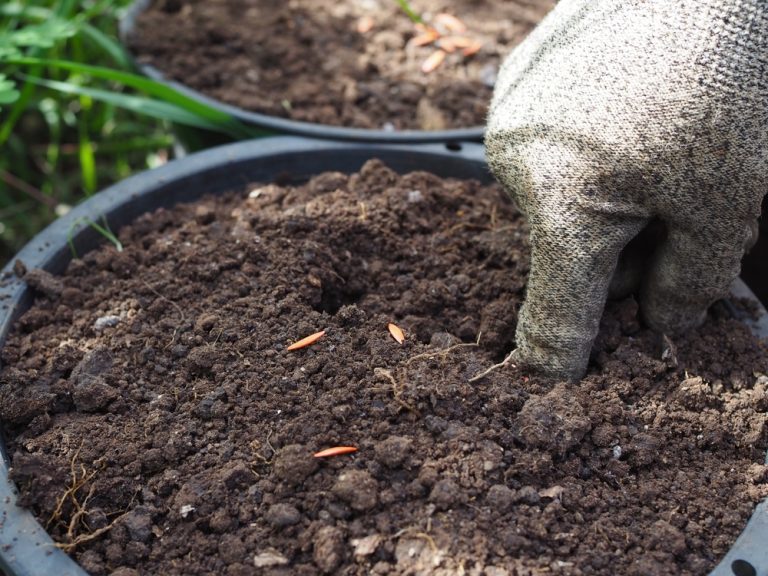
Your soil may look dry, dusty and perfectly ordinary, yet water can behave like it just spotted a puddle at a fancy party. Instead of soaking into the ground, water beads on top, runs away or disappears through a few cracks while nearby plants still sit thirsty. Hydrophobic soil often develops when organic compounds coat…
soil health
5 Ways to Revive Soil That Has Turned Hard and Crusty
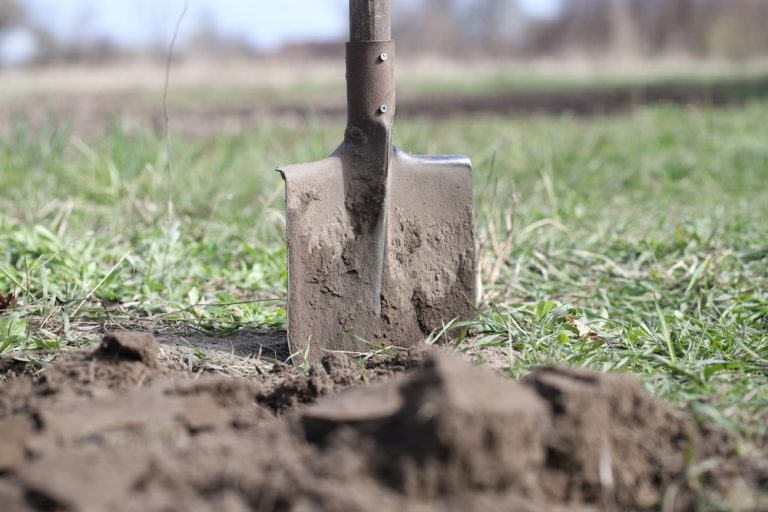
Nothing spoils gardening excitement faster than a patch of soil that feels more like concrete than earth. Hard, crusty soil blocks water, limits air movement, and makes it difficult for roots to spread, leaving vegetables, flowers, and shrubs struggling long before summer reaches its hottest days. Luckily, lifeless ground rarely stays that way forever. A…
Why Grass Clippings Can Carry Herbicide Into Vegetable Beds
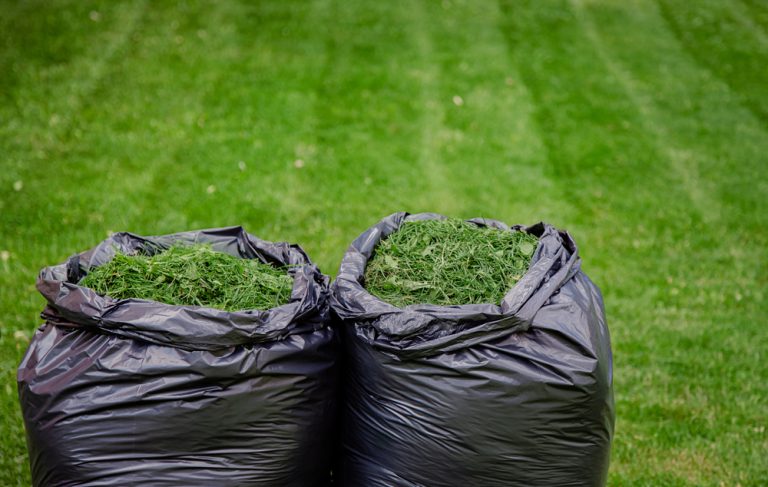
Fresh grass clippings look like free garden gold. They hold moisture, break down quickly, and seem like the perfect mulch for tomatoes, peppers, beans, and squash. That bargain can turn into an expensive mistake when those clippings contain herbicide residue. Many gardeners discover the problem only after vegetables twist, curl, stop growing, or produce strange-looking…
The Cheap Mulch Materials That Can Damage Plants or Soil
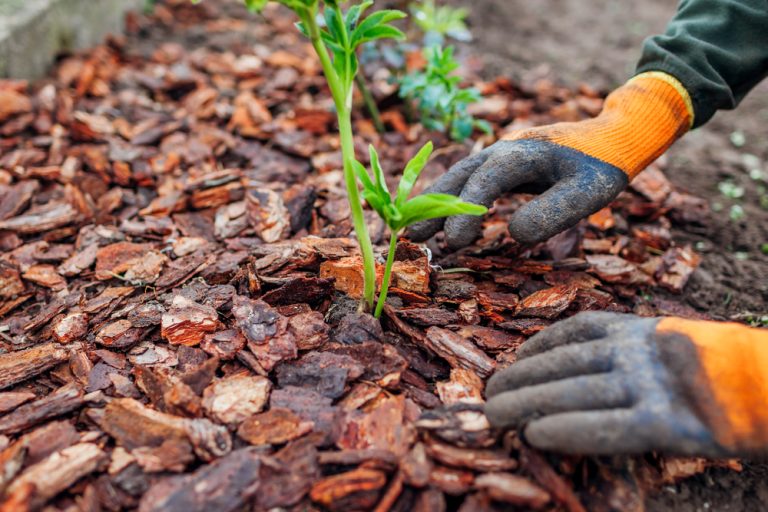
Cheap mulch often looks like a smart way to stretch a gardening budget, but the lowest-priced option sometimes carries the highest hidden cost. Some materials rob soil of nutrients, spread pests, introduce weeds, or even release compounds that stress young plants. Saving a few dollars at the garden center means very little if flower beds…
When Midseason Fertilizer Helps—and When It Burns Stressed Plants
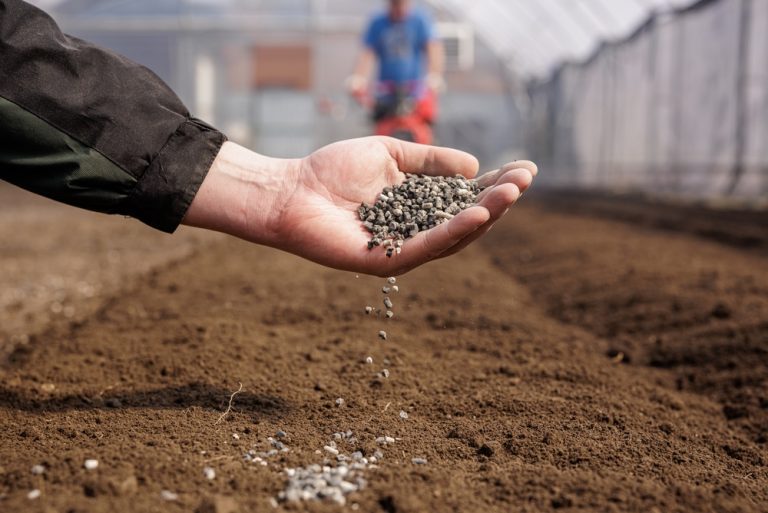
Midseason fertilizer can feel like a magic trick. Plants start looking a little tired, tomatoes seem less productive, and leafy vegetables lose some of their early-season enthusiasm. The natural reaction involves reaching for a bag of fertilizer and hoping for a quick turnaround. Sometimes that works beautifully. Other times, that same fertilizer pushes already-stressed plants…
Why Your Garden Is Growing Leaves But No Fruit
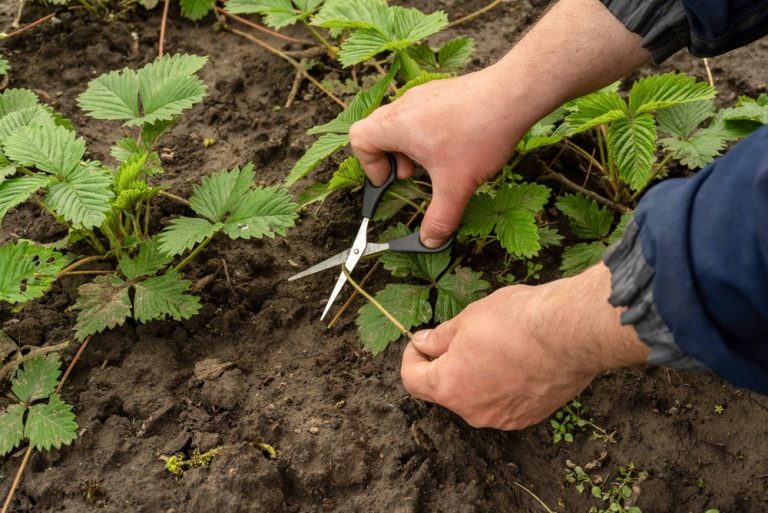
A garden full of giant green leaves can look impressive, but when tomatoes, peppers, cucumbers, or squash refuse to produce, that leafy jungle starts feeling more like a mystery than a success story. Plants need more than sunshine and water to make fruit, and sometimes too much of a good thing sends them in the…
Sugarbeets, Sugarcane, and Vegetable Costs: What Gardeners Can Learn From Commodity Stress
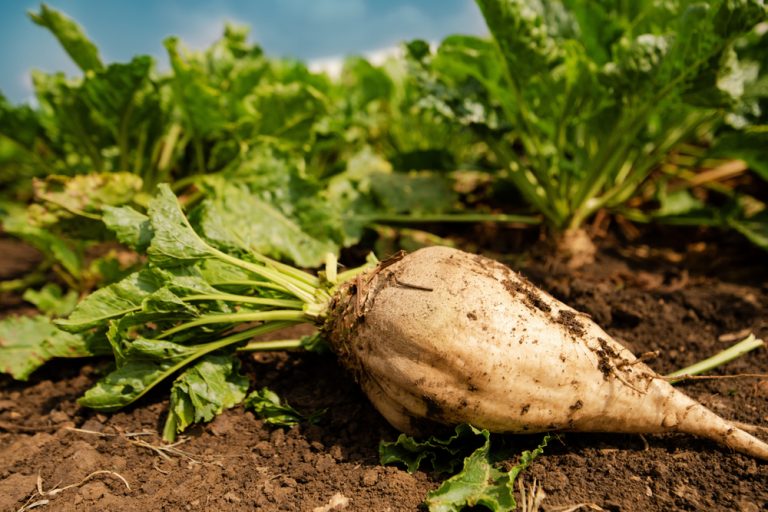
A bag of sugar at the grocery store or a basket of vegetables at the market might seem far removed from a backyard garden, but the same forces affect both. Sugarbeets, sugarcane, and vegetable crops all depend on healthy soil, reliable water, and favorable growing conditions. When drought and weather stress challenge large farms, home…
Drought Conditions Are Affecting U.S. Agriculture—What Home Gardeners Should Watch
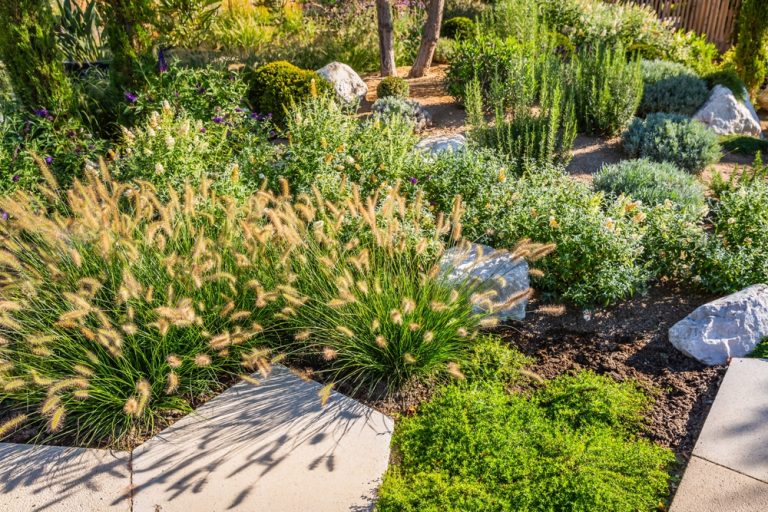
Dry weather across parts of the United States is putting agriculture under pressure, and home gardeners should pay attention because the backyard often feels the effects before the grocery cart does. Drought conditions can change how plants grow, how often gardens need water, and how gardeners manage everything from tomatoes to trees. The latest conditions…
Why Soil Tests Matter Under PA’s Fertilizer Law—Know Before You Apply
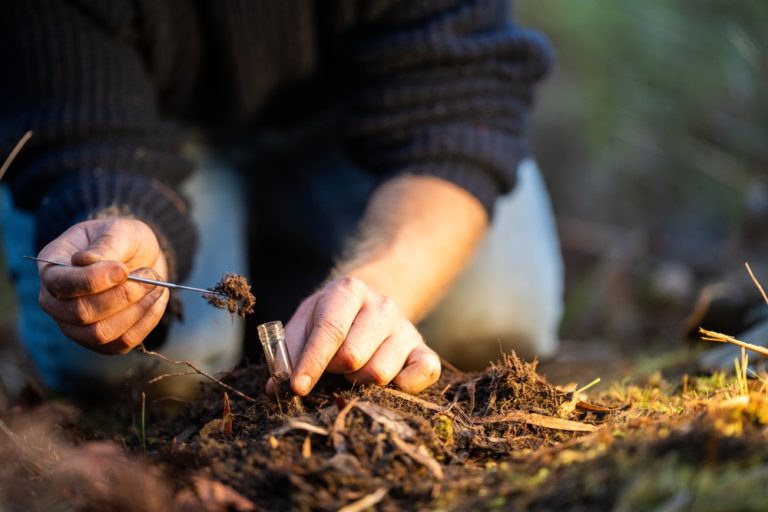
Soil looks simple on the surface, but it behaves more like a living bank account than a pile of dirt. Every scoop holds nutrients, minerals, and microscopic life that directly shape how plants grow, and what they desperately lack. Pennsylvania’s fertilizer law pushes gardeners to think before they scatter anything across a lawn or flower…
Roundup Isn’t Glyphosate Anymore: New Formulas Can Leave Residue and Kill Nearby Plants
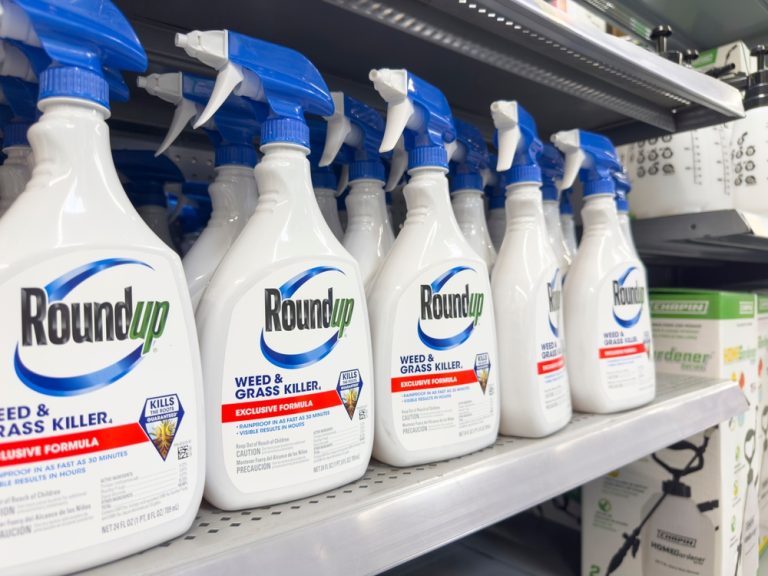
Walk through any garden center and the familiar Roundup label still jumps off the shelf, but what sits inside those bottles does not always match the old expectations. Many gardeners still assume Roundup equals glyphosate and nothing else, yet today’s product lineup includes a mix of active ingredients depending on the version. Some formulas act…