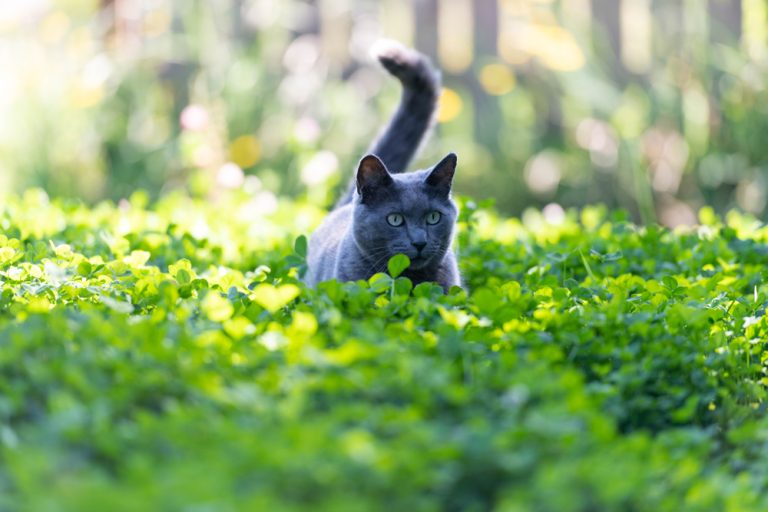
The traditional grass lawn has ruled neighborhoods for generations, but microclover lawns are changing the backyard game. This tiny-leafed clover mix brings a fresh approach to landscaping by adding natural nitrogen, reducing weed pressure, and keeping a greener appearance with less fuss. Microclover does not promise a completely maintenance-free yard, but it can make lawn…
eco-friendly gardening
Make Your Garden a Wildlife Haven: Insect Hotels, Bee Baths and Mini Ponds Support Beneficial Creatures
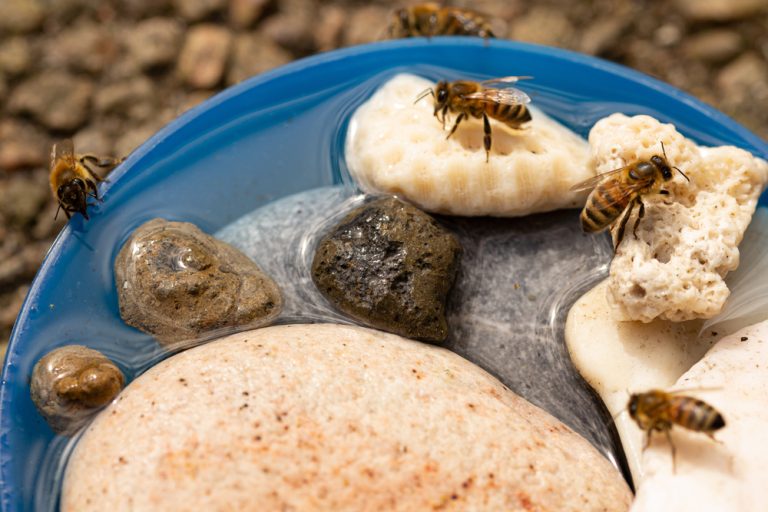
A garden can become much more than a collection of flowers and vegetables when it welcomes the tiny helpers that keep nature moving. Insect hotels, bee baths, and mini ponds create inviting spaces for pollinators, predators of garden pests, and other beneficial creatures that make outdoor spaces more lively. Many gardeners focus on what plants…
Growing with Graywater: Use Shower and Bath Water to Irrigate Ornamentals Safely
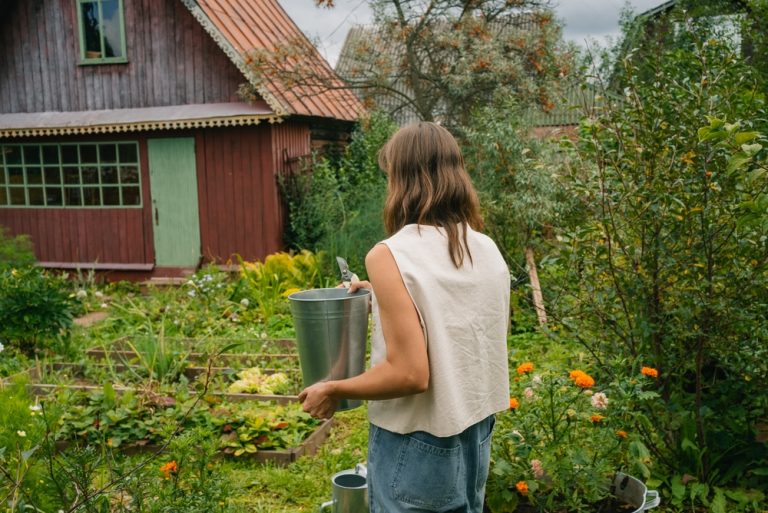
Every shower can leave behind more than a clean person. Graywater from showers and baths can give ornamental gardens a helpful drink when gardeners handle it carefully and choose the right plants. Instead of sending every drop down the drain, homeowners can redirect some household water toward flowers, shrubs, and decorative landscapes. Graywater gardening sounds…
No‑Mow Flowering Lawns Attract Pollinators and Reduce Maintenance—Here’s How to Start
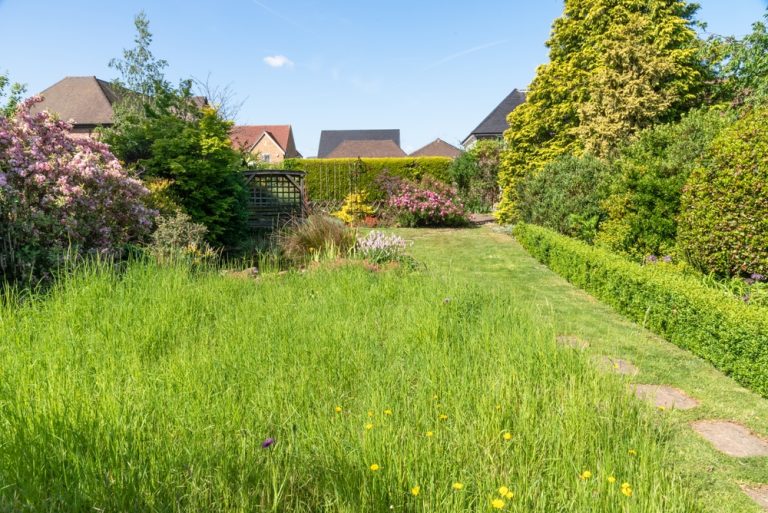
A perfectly trimmed lawn once ruled the neighborhood, but more gardeners now trade endless mowing for colorful blooms and buzzing pollinators. A no-mow flowering lawn offers a practical way to reduce yard work while creating a landscape that feels alive instead of silent. Bees drift from flower to flower, butterflies linger a little longer, and…
7 Gardening Habits That Could Be Hurting Pollinators
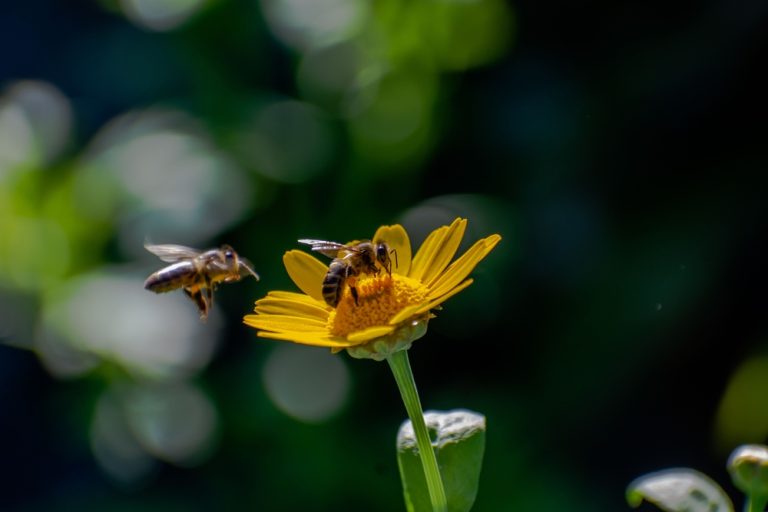
A colorful garden feels alive for a reason. Bees bounce from flower to flower, butterflies drift through the air, and even tiny hoverflies quietly handle important work that keeps flowers blooming and vegetables producing. Every visit from a pollinator helps build a healthier garden, but some common gardening habits can accidentally send those helpful visitors…
The Backyard Gardening Rule That Could Save You Hundreds on Water Bills
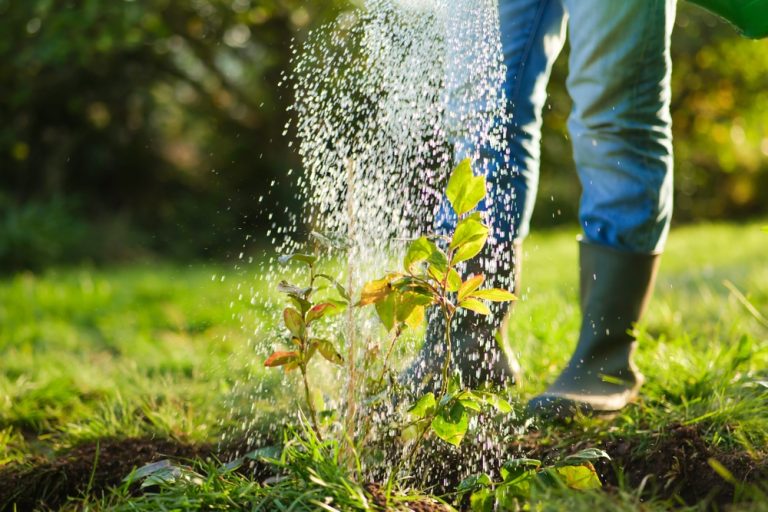
Backyards often hide one of the biggest household budget leaks: wasted water. Sprinklers run too long, hoses get left on, and plants receive far more moisture than they actually need to stay healthy. Many homeowners assume lush lawns require constant watering, yet that habit often drives utility bills higher without improving plant health. A simple…
Stop Buying These Plants if You Want More Pollinators
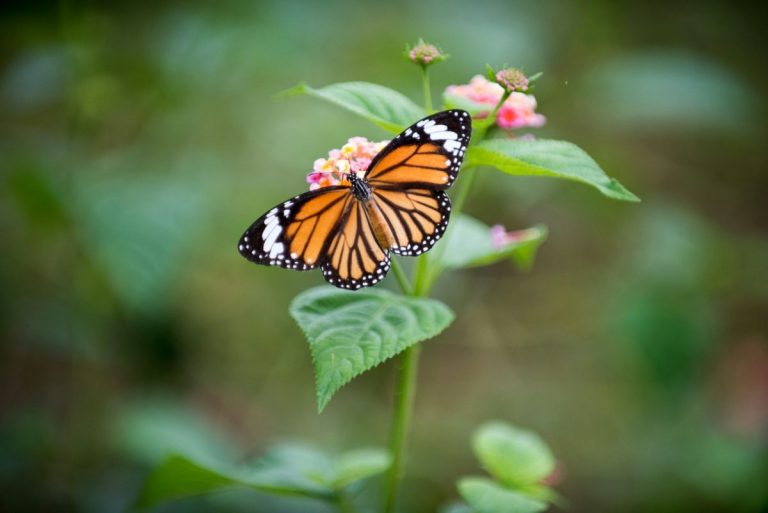
A yard buzzing with bees, fluttering with butterflies, and visited by hummingbirds feels alive in a way that few landscaping features can match. Pollinators do more than add beauty to outdoor spaces. They help produce fruits, vegetables, and seeds while supporting local ecosystems that depend on their daily work. Many gardeners rush to garden centers…
Give Bees and Butterflies a Drink: Create a Pollinator Water Station From Recycled Dishes
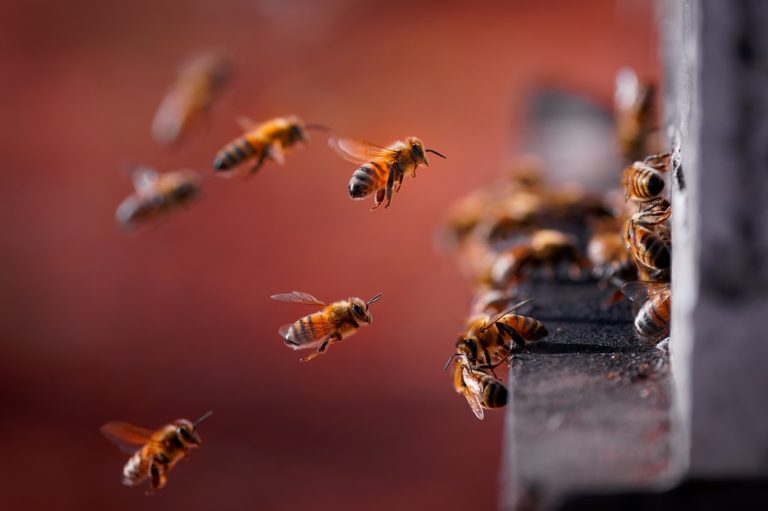
Summer gardens buzz with life when bees dart between flowers and butterflies float through the air like living confetti. Most gardeners focus on planting colorful blooms packed with nectar, but pollinators also need a safe place to drink during hot weather. Shallow water sources help bees cool down, support butterfly activity, and keep beneficial insects…
8 Drought-Resistant Picks That Reduce Water Needs
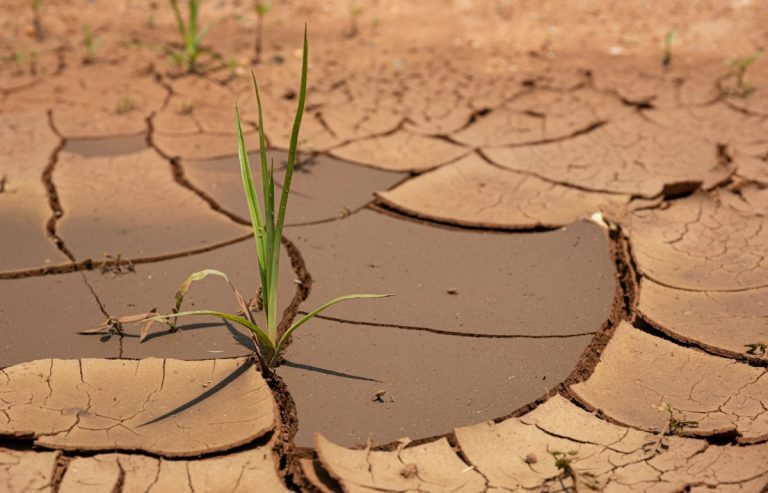
Gardens are changing fast as hotter summers and unpredictable rainfall push homeowners to rethink what they plant. Water bills keep climbing in many regions, and lawns that once thrived now struggle to stay green without constant irrigation. That’s where drought-resistant plants step in and completely change the game for home landscapes. These plants don’t just…
5 Natural Fertilizing Methods That Actually Work
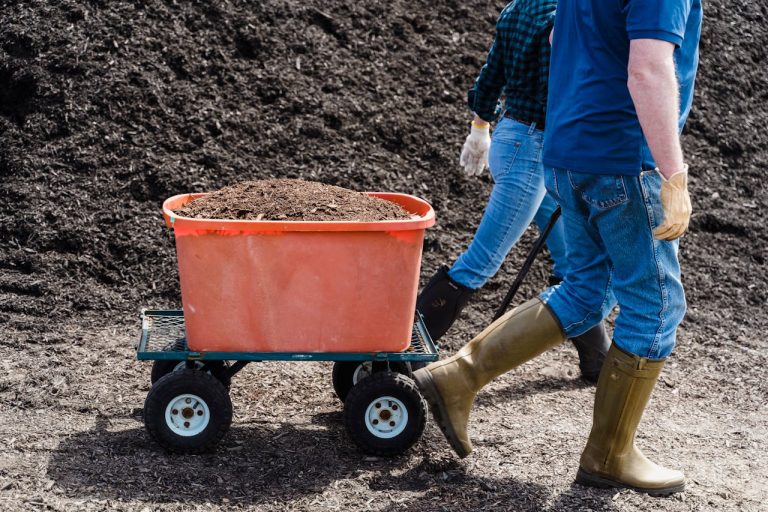
Your garden does not have to rely on expensive chemicals or complicated formulas. The real secret often hides in everyday kitchen scraps, yard waste, and simple habits that gardeners have used for generations. Plants respond best when soil stays alive, rich, and full of organic goodness. That is where natural fertilizing methods step in and…