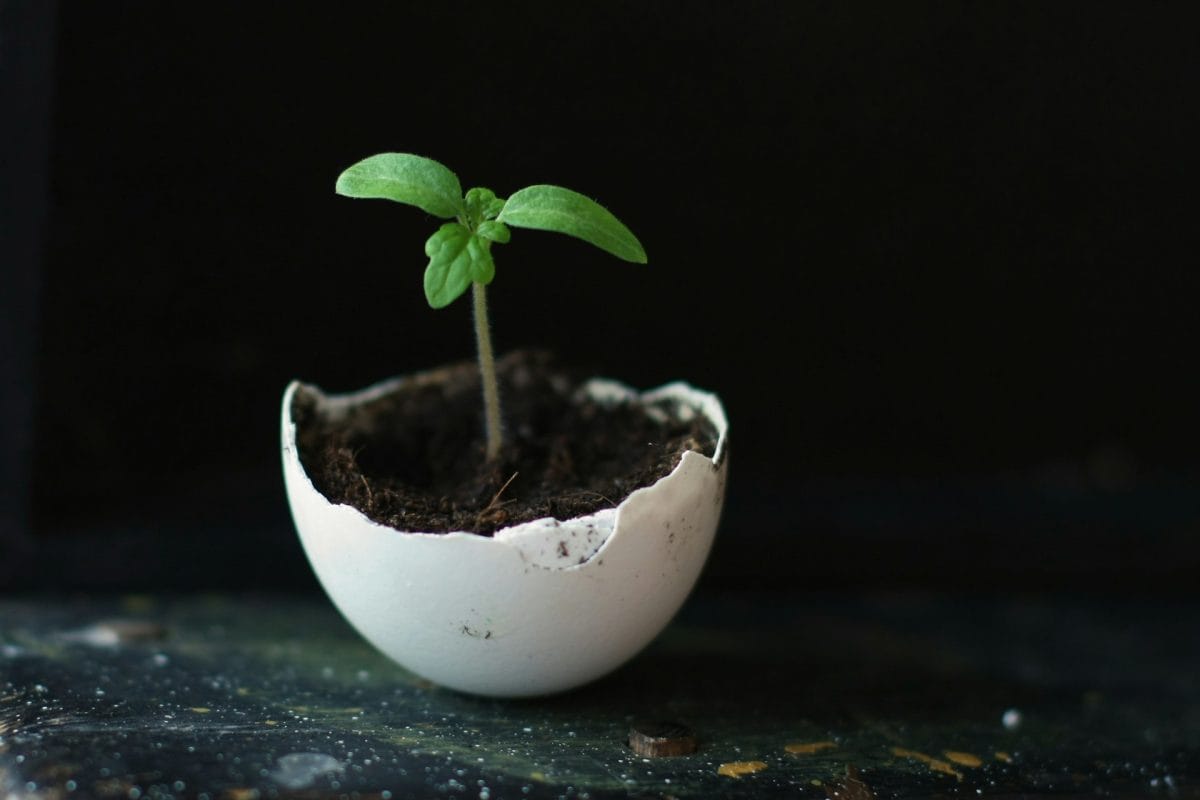
What if the most underrated pest control tool sat quietly in the trash this whole time? Not a fancy spray, not a pricey solution from a garden center, but something as simple and overlooked as a cracked eggshell. That humble kitchen leftover holds surprising power, and gardeners who know how to use it tap into a natural trick that saves money and boosts plant health at the same time. Forget complicated chemical formulas and confusing labels. This solution feels refreshingly simple and incredibly effective when used the right way.
Eggshells bring more to the table than just compost filler. They create barriers, enrich soil, and even discourage some of the most frustrating garden pests. The best part comes from the fact that this method costs almost nothing, yet it can replace store-bought pesticides that easily run up a $50 bill or more over a season.
Crunch Time: Why Eggshells Work Better Than You Expect
Eggshells contain calcium carbonate, which plays a vital role in strengthening plant cell walls and improving overall soil structure. When crushed and added to the soil, they slowly break down and release nutrients that plants crave. Stronger plants naturally resist pests and disease more effectively, which reduces the need for chemical intervention. This creates a double benefit that supports both plant health and pest control at the same time. Many gardeners overlook this connection and focus only on direct pest removal instead of prevention.
Texture also plays a huge role in how eggshells work. When crushed into sharp, jagged pieces, they create a physical barrier that deters soft-bodied pests like slugs and snails. These pests avoid crawling over rough surfaces that can damage their bodies. Sprinkling crushed shells around the base of plants creates a simple yet effective defensive ring. This approach does not eliminate every pest instantly, but it significantly reduces damage over time.
Consistency matters when using eggshells in the garden. A light sprinkle here and there will not deliver strong results. A generous layer around vulnerable plants increases effectiveness and keeps pests at bay. Regular replenishing ensures that the barrier remains intact, especially after rain or watering. This habit turns a simple kitchen scrap into a reliable line of defense that keeps working day after day.
From Trash to Treasure: Prepping Eggshells the Right Way
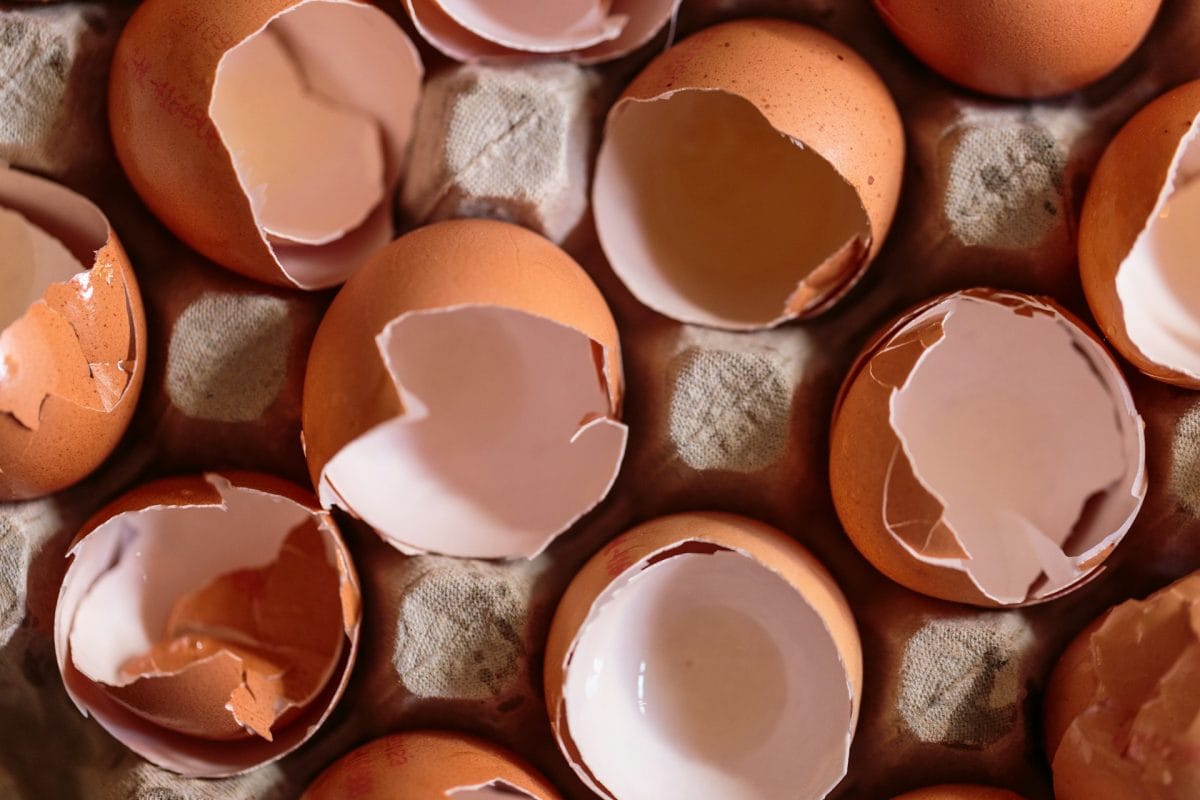
Throwing eggshells straight into the garden may seem convenient, but proper preparation makes a huge difference in effectiveness. Rinsing the shells removes any leftover egg residue that could attract unwanted pests or create unpleasant odors. Letting them dry completely helps prevent mold and makes them easier to crush. This step may seem small, but it sets the foundation for success.
Crushing the shells into small, sharp fragments creates the texture needed for pest control. Larger chunks do not provide the same level of deterrence, so taking the time to break them down pays off. Some gardeners use a mortar and pestle, while others simply crush them by hand or with a rolling pin. The goal focuses on creating a gritty, uneven texture that pests will avoid.
Storage also plays a role in maintaining a steady supply. Keeping a container in the kitchen for clean, dried shells makes it easy to build up a stash over time. This simple habit ensures that eggshells always stay ready for use when needed. Turning waste into a resource becomes second nature, and the garden benefits from a steady stream of natural material that costs nothing.
Where the Real Value Shows Up
Garden centers stock shelves full of pest control products, and those costs add up quickly over a growing season. Organic sprays, slug pellets, and soil additives often come with a premium price tag. Replacing even a portion of those products with eggshells can lead to noticeable savings. While eggshells will not solve every pest issue, they can reduce reliance on store-bought solutions in a meaningful way.
The savings extend beyond just skipping pesticide purchases. Healthier soil reduces the need for additional fertilizers, which cuts costs even further. Stronger plants produce better yields, which increases the overall value of a garden. This creates a ripple effect where one simple change improves multiple aspects of gardening at once. The financial benefit becomes clear when comparing a season with and without these added expenses.
Time also factors into the equation. Fewer pest problems mean less time spent troubleshooting and replacing damaged plants. That efficiency adds value in a way that goes beyond dollars. A garden that thrives with fewer interventions feels more enjoyable and less stressful to maintain. That shift alone can make the entire experience more rewarding.
Where Eggshells Shine—and Where They Need Backup
Eggshells work best as part of a broader strategy rather than a standalone solution. They excel at deterring slugs, snails, and certain crawling pests, but they do not affect flying insects or larger invaders. Understanding these limits helps set realistic expectations and prevents frustration. Combining eggshells with other natural methods creates a more balanced approach.
Pairing eggshells with companion planting, proper watering, and regular garden maintenance boosts overall effectiveness. Healthy plants resist pests more naturally, and a well-maintained garden reduces hiding spots for unwanted visitors. Adding mulch, encouraging beneficial insects, and rotating crops can all complement the use of eggshells. This layered strategy creates a stronger defense system that works together seamlessly.
Weather conditions can also influence results. Heavy rain can shift or break down the eggshell barrier, which means regular checks and reapplication keep it effective. Staying attentive ensures that the effort continues to pay off. Treating eggshells as an ongoing tool rather than a one-time fix makes all the difference. That mindset keeps the garden protected and thriving.
Healthier Soil, Happier Plants
Eggshells contribute to soil health in ways that go beyond pest control. Calcium plays a critical role in preventing issues like blossom end rot in tomatoes and peppers. Adding crushed shells to the soil supports steady nutrient availability, which helps plants grow stronger and produce better fruit. This benefit alone makes eggshells worth using, even without their pest-deterring qualities.
Improved soil structure also enhances water retention and drainage. This balance keeps roots healthy and reduces stress on plants during extreme weather conditions. A stable growing environment allows plants to focus on growth instead of survival. That shift leads to better yields and more vibrant gardens overall.
Composting eggshells adds another layer of value. When added to a compost pile, they break down and enrich the final product with essential minerals. This creates a nutrient-rich soil amendment that supports long-term garden health. Using eggshells in multiple ways maximizes their impact and reduces waste at the same time. Every shell becomes a small investment in a healthier, more productive garden.
Small Habit, Big Garden Payoff
Eggshells prove that simple solutions can deliver powerful results when used with intention. They reduce costs, support plant health, and offer a natural way to manage certain pests without harsh chemicals. This approach does not demand a complete overhaul of gardening habits. It only requires a shift in perspective and a willingness to see value in something often overlooked.
What other everyday items could transform a garden without adding extra cost? Drop ideas, tips, or creative strategies in the comments and keep the conversation growing.
You May Also Like…
The Eggshell Hack That Actually Improves Your Soil
From Coffee Grounds to Eggshells: 10 Homemade Fertilizers You Already Have at Home!
Why Slugs Target Certain Plants First and How to Stop Them
8 Easy Ways to Add Organic Matter Without Buying Compost
6 Budget-Friendly Organic Fertilizer Options That Actually Work

Brandon Marcus is a staff writer for FrugalGardening.com at District Media, Inc., where he delivers practical gardening advice with a relatable, no-nonsense style. An avid amateur gardener, he holds a BA degree and with over ten years of professional writing experience, he is also an award-winning published author whose first book, Questions For Deep Thinkers, was released by Adams Media. His work has appeared in major publications including Fandom.com, CHUD.com, TheColdWire.com, and Fansided.com.
Leave a Reply