An out-of-control garden never looks accidental—it looks defeated. Weeds push through cracks, stretch across flower beds, and take over space like they own it, turning a once-proud patch of green into a messy battleground. But here’s the twist: weeds only win when the ground invites them. Change the conditions, and suddenly those stubborn invaders lose their grip. That shift does not require harsh chemicals or complicated tools. It requires strategy, timing, and a little stubbornness right back.
The best part about ditching chemicals comes down to control. Natural methods do not just suppress weeds for a moment—they reshape the environment so unwanted growth struggles to return at all. That means fewer surprises, less maintenance over time, and a healthier space for everything that deserves to grow. A garden can look lush, intentional, and thriving without relying on sprays that wipe everything out in one sweep.
1. Smother the Competition with Mulch Magic
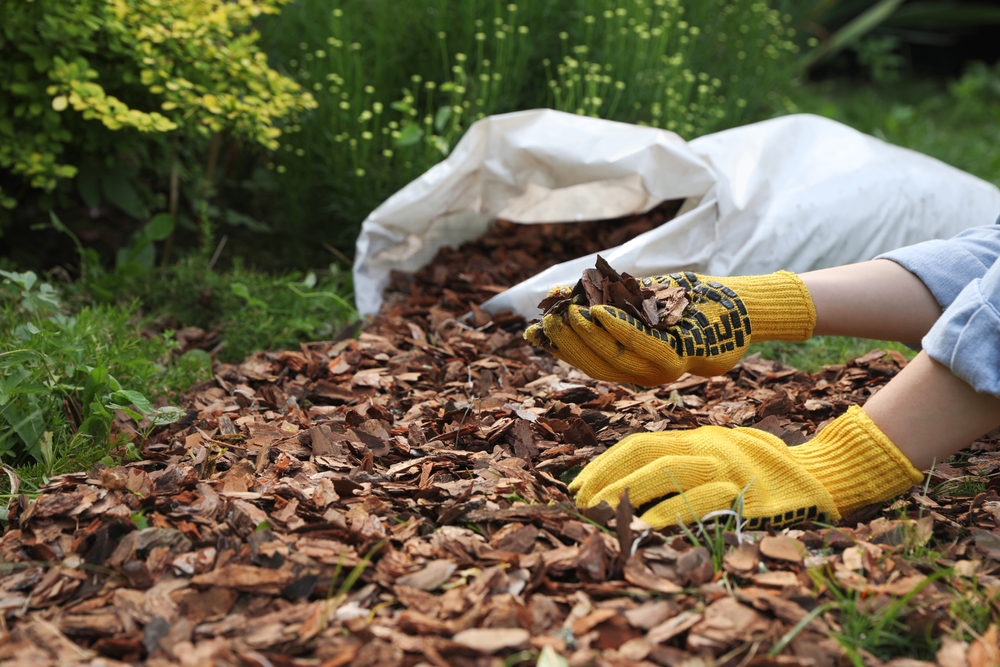
Mulch does more than make a garden look polished; it acts like a barrier that shuts weeds out before they even get started. A thick layer blocks sunlight, which weeds need to germinate and grow, and it creates a physical obstacle that makes it harder for them to push through the soil. Organic mulch options like wood chips, straw, or shredded leaves also break down over time and enrich the soil, which gives desirable plants an extra boost. That combination of prevention and nourishment makes mulch one of the most reliable tools for natural weed control.
Consistency matters here, because a thin layer of mulch will not do much. Aim for about two to four inches across garden beds, making sure to spread it evenly without piling it directly against plant stems. That careful spacing prevents rot while still creating a solid shield against weed growth. Fresh mulch each season keeps the barrier strong, especially after heavy rain or wind shifts the material around. Choosing the right type also helps, since heavier mulches like bark chips stay in place better than lighter ones in breezy areas.
Mulch also helps regulate soil temperature and retain moisture, which reduces stress on plants and keeps them growing strong. Healthy plants compete better for nutrients and space, leaving fewer opportunities for weeds to sneak in. This approach turns weed control into a long-term strategy instead of a constant battle. A well-mulched garden often looks tidy, vibrant, and noticeably easier to maintain. It transforms the space into something that works smarter, not harder.
2. Pull with Purpose, Not Frustration
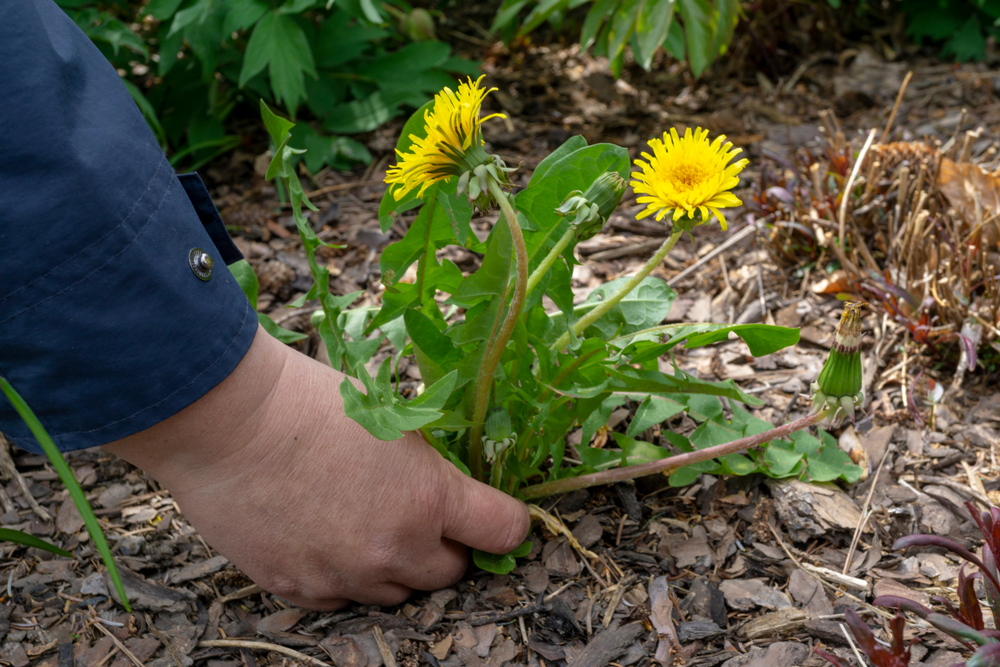
Hand-pulling weeds might sound old-school, but it delivers serious results when done correctly. The key lies in timing and technique rather than brute force. Removing weeds after rainfall or watering softens the soil, making it easier to pull out the entire root instead of snapping the top and leaving the problem underground. That extra attention prevents regrowth and saves time later, even if it feels slower in the moment.
Tools can make a big difference, especially for deep-rooted weeds like dandelions. A simple weeding tool or narrow trowel helps loosen the soil and lift roots out cleanly. That precision avoids disturbing surrounding plants while still targeting the weed effectively. Working in small sections keeps the task manageable and prevents overwhelm, which often leads to unfinished jobs that allow weeds to bounce back.
Regular maintenance builds momentum, and a few minutes every couple of days can stop weeds from taking over entirely. This method also provides a chance to inspect the garden closely, spotting issues early before they spread. Pulling weeds by hand creates a direct connection to the space, and it reinforces awareness of how everything grows together. Over time, the process feels less like a chore and more like a routine that keeps everything in check.
3. Crowd Them Out with Smart Planting
Empty space invites weeds, and a densely planted garden leaves them nowhere to go. Ground covers, closely spaced vegetables, and layered plant arrangements all work together to block sunlight from reaching the soil. Without that light, weed seeds struggle to sprout and establish themselves. This method turns the garden into a living barrier that actively resists unwanted growth.
Choosing the right plants makes this approach even more effective. Fast-growing ground covers like clover or creeping thyme spread quickly and fill gaps before weeds get the chance. Taller plants can provide shade, while lower plants protect the soil underneath, creating a multi-level system that keeps everything covered. That layering effect does not just look beautiful—it creates a natural defense system that keeps weeds from gaining traction.
Spacing still matters, because overcrowding can stress plants and reduce airflow. The goal focuses on thoughtful density, not chaos. Planning the layout ahead of time ensures each plant has enough room to thrive while still contributing to overall coverage. Over time, this strategy builds a garden that feels full, balanced, and naturally resistant to weeds. It replaces constant removal with prevention that works quietly in the background.
4. Boiling Water: Simple, Brutal, Effective
Boiling water delivers one of the most straightforward ways to kill weeds instantly, especially in areas like driveways, sidewalks, or gravel paths. The heat destroys plant cells on contact, causing the weed to wilt and die within hours. This method requires no special ingredients, no mixing, and no lingering residue, which makes it incredibly appealing for quick fixes.
Targeting matters here, because boiling water does not discriminate. Pouring it carefully ensures that only the weeds get hit, keeping nearby plants safe from damage. This approach works best on small, isolated weeds rather than large garden beds where precision becomes harder to control. Repeating the process may be necessary for tougher weeds, but consistent application eventually weakens and eliminates them.
Safety also deserves attention, since handling boiling water requires caution to avoid burns. A steady hand and slow pouring technique help maintain control while reducing risk. Despite its simplicity, this method packs a powerful punch and delivers visible results fast. It turns an everyday household item into a surprisingly effective tool for weed control.
5. Vinegar Solutions That Pack a Punch
Household vinegar offers another natural option for tackling weeds, especially when used on sunny days. The acetic acid draws moisture out of plant leaves, causing them to dry up and die. Stronger horticultural vinegar increases effectiveness, but even standard kitchen vinegar can work on young, tender weeds when applied directly.
Application requires precision, because vinegar can harm any plant it touches. A spray bottle allows for controlled targeting, ensuring that only unwanted growth gets treated. Applying during dry, sunny weather enhances the effect, since the heat speeds up the drying process. This combination creates a one-two punch that knocks weeds down quickly.
Repeated treatments may be necessary for stubborn or mature weeds, especially those with deep roots. While vinegar handles the visible growth, roots may survive and attempt to regrow. Consistency keeps those attempts in check, gradually weakening the plant over time. This method works best as part of a broader strategy rather than a standalone solution, but it still delivers reliable results when used correctly.
Build a Garden That Fights Back
Weeds do not disappear overnight, but a smart approach turns the tide faster than expected. Each method here contributes to a larger system that makes it harder for weeds to survive in the first place. Mulch blocks light, dense planting fills space, and targeted removal keeps problems from spreading. Boiling water and vinegar step in as quick-response tools when needed, adding flexibility to the plan.
What changes would make the biggest difference in your garden right now, and which of these methods sounds like something worth trying first? Give us your thoughts, ideas, or go-to tricks in the comments.
You May Also Like…
7 Low-Growing Plants That Beat Weeds Without Constant Maintenance
How to Identify Invasive Weeds Early
March Weeds That Spread Quickly If You Ignore Them
10 Winter Weeds That Start Early and How to Stop Them
5 Natural Methods to Repel Ants Without Toxic Chemicals

Brandon Marcus is a staff writer for FrugalGardening.com at District Media, Inc., where he delivers practical gardening advice with a relatable, no-nonsense style. An avid amateur gardener, he holds a BA degree and with over ten years of professional writing experience, he is also an award-winning published author whose first book, Questions For Deep Thinkers, was released by Adams Media. His work has appeared in major publications including Fandom.com, CHUD.com, TheColdWire.com, and Fansided.com.
Leave a Reply