Plants don’t always appreciate a generous feeding schedule. In fact, some of them react like they just got served the wrong meal at a five-star restaurant—dramatically, visibly, and without hesitation. Leaves turn yellow, tips burn, growth stalls, and suddenly that well-intentioned fertilizer routine starts looking like the main culprit. That moment can feel confusing, especially when every label promises bigger blooms, greener leaves, and unstoppable growth.
The truth brings a surprising twist: fertilizer doesn’t always equal success. Plants operate with their own rhythms, preferences, and limits, and too much enthusiasm can throw everything off balance fast. A thriving garden doesn’t come from dumping nutrients into the soil like confetti—it comes from understanding when plants actually want them and when they absolutely don’t. Getting that balance right transforms struggling greenery into something vibrant, resilient, and full of life.
When “More” Backfires: The Hidden Stress of Overfeeding
Fertilizer seems like the obvious hero in plant care, but overuse turns it into a silent troublemaker. Plants absorb nutrients through their roots, and when those nutrients pile up too quickly, they create a harsh environment instead of a nourishing one. Excess salts from fertilizer build up in the soil and start pulling water away from the roots rather than delivering it, which leads to dehydration even when the soil looks moist. That contradiction catches a lot of people off guard, especially when they keep watering more in response.
Leaf burn often signals this problem, and it usually shows up as crispy brown edges or tips that look scorched. Those symptoms don’t just affect appearance—they interrupt the plant’s ability to photosynthesize efficiently. Growth slows down, and the plant shifts into survival mode instead of thriving. Some plants even drop leaves entirely as a stress response, which feels like a dramatic protest against all that extra feeding.
Pulling back on fertilizer immediately helps stabilize the situation, but the soil often needs a reset. Flushing the soil with clean water washes away excess salts and gives roots breathing room again. This step requires patience, since it may take a few thorough waterings to fully restore balance. After that reset, a lighter, less frequent feeding schedule prevents the same issue from returning and allows the plant to recover naturally.
Not All Plants Want the Same Diet
Every plant comes with its own nutritional personality, and ignoring that individuality leads straight to disappointment. Some species evolved in nutrient-poor environments and adapted to thrive with very little input, which means fertilizer overwhelms them quickly. Succulents and cacti sit firmly in this category, and they often show stress after even modest feeding. Their slow growth rate simply doesn’t require heavy nutrition, and excess nutrients disrupt their natural rhythm.
On the other end of the spectrum, fast-growing plants like tomatoes or certain tropical houseplants demand more consistent feeding to support their rapid development. Treating every plant the same creates a mismatch, and that mismatch shows up in uneven growth, discoloration, or stunted progress. A one-size-fits-all fertilizer routine rarely works because plant needs vary so widely.
Matching fertilizer type and frequency to the specific plant makes a noticeable difference. Checking whether a plant prefers low, moderate, or high nutrient levels helps avoid unnecessary stress. Diluting fertilizer to half strength often provides a safer starting point, especially for sensitive plants. That small adjustment protects roots while still delivering the nutrients needed for steady, healthy growth.
Soil Tells the Whole Story
Soil plays the starring role in how plants respond to fertilizer, yet it often gets overlooked in favor of quick fixes. Healthy soil already contains a complex mix of nutrients, microorganisms, and organic matter that support plant growth naturally. Adding fertilizer without understanding that existing balance can throw everything off in a hurry. When soil already holds enough nutrients, extra feeding pushes it into overload territory.
Poor drainage adds another layer of trouble because it traps excess fertilizer around the roots. Instead of dispersing evenly, nutrients concentrate in one area and create pockets of stress. Roots sitting in that environment struggle to function properly, and the plant starts showing signs of decline even though it technically has plenty of nutrients available. That contradiction frustrates many gardeners who expect fertilizer to solve problems, not create them.
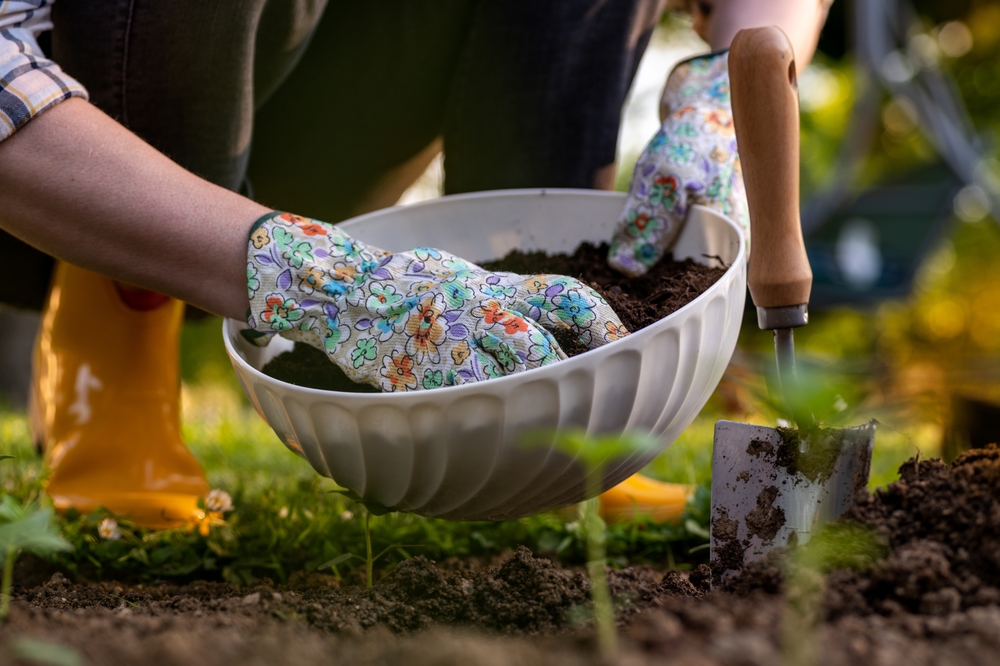
Improving soil structure often fixes these issues faster than adding more products. Mixing in compost boosts natural nutrient levels and improves drainage at the same time. Testing soil before applying fertilizer gives a clearer picture of what the plant actually needs, which prevents unnecessary guesswork. Once the soil works with the plant instead of against it, fertilizer becomes a helpful supplement instead of a risky gamble.
Timing Matters More Than You Think
Plants don’t stay in growth mode all year long, and fertilizer doesn’t magically change that cycle. Feeding a plant during its dormant period usually leads to wasted nutrients or stress rather than growth. Many houseplants slow down significantly in cooler months, and outdoor plants follow seasonal rhythms that dictate when they actively grow. Ignoring those cycles often explains why fertilizer seems ineffective or harmful at certain times.
Applying fertilizer during active growth periods allows plants to use those nutrients efficiently. Spring and early summer usually offer the best window for feeding, as plants ramp up energy production and expand roots and foliage. During these phases, they can process nutrients without becoming overwhelmed. Feeding outside of that window often leads to accumulation rather than absorption, which creates the same problems seen with overfertilization.
Adjusting timing transforms results without requiring more effort or expense. Cutting back or stopping fertilizer during slower growth periods gives plants a chance to rest and reset. Resuming feeding when new growth appears ensures that nutrients support development instead of interfering with it. That simple shift in timing keeps plants aligned with their natural cycles and prevents unnecessary stress.
Fertilizer Type Can Make or Break the Outcome
Not all fertilizers deliver nutrients in the same way, and that difference matters more than most people expect. Synthetic fertilizers release nutrients quickly, which can overwhelm sensitive plants if applied too heavily. Organic fertilizers break down more slowly, providing a steady supply that aligns better with natural growth patterns. Choosing the wrong type for a specific plant often leads to rejection symptoms even when the feeding schedule looks reasonable.
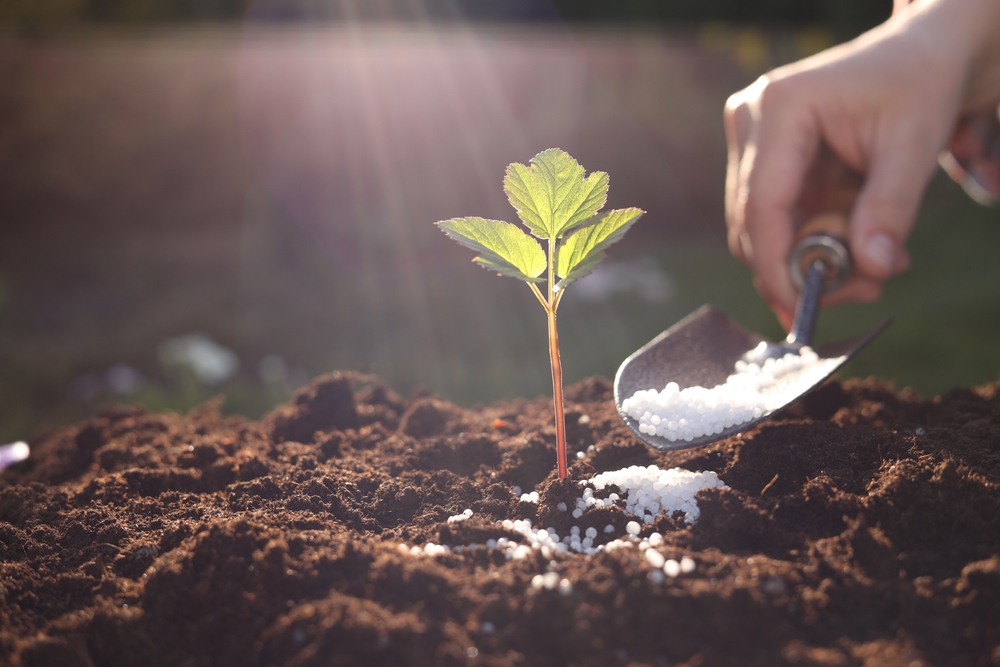
Liquid fertilizers offer quick absorption, but they require careful dilution to avoid burning roots. Granular fertilizers release nutrients over time, which reduces the risk of sudden overload but still requires proper measurement. Slow-release formulas provide a middle ground, delivering nutrients gradually without frequent application. Each option comes with advantages, but matching the method to the plant’s needs makes all the difference.
Switching fertilizer types sometimes resolves persistent issues that don’t respond to reduced frequency alone. A plant that struggles with synthetic feeding may thrive once switched to an organic alternative. Observing how a plant reacts after each adjustment provides valuable clues about what works best. That ongoing attention builds a stronger connection between care routines and plant health.
Balance Beats Enthusiasm Every Time
Healthy plants don’t need constant intervention—they need thoughtful care that respects their natural limits. Fertilizer plays a supporting role, not a starring one, and treating it that way changes everything. Paying attention to soil, timing, plant type, and dosage creates a balanced approach that encourages steady, reliable growth. That balance eliminates the guesswork and replaces it with confidence.
What changes have made the biggest difference in your plant care routine, and which plants have surprised you the most with their reactions to fertilizer? We want to hear all of your thoughts, strategies, or even your biggest plant-care mishaps in the comments.
You May Also Like…
How to Turn Kitchen Scraps Into Nutrient-Rich Fertilizer
How to Rejuvenate Old Fertilizer Instead of Throwing It Away
The Hidden Cost of War: How Fertilizer Disruptions Push Grocery Bills Higher
How Leaf Litter Can Improve Soil Health and Reduce Fertilizer Costs
Vets Issue New Alert: “Pet-Safe” Fertilizers Are Sending Dogs to the ER

Brandon Marcus is a staff writer for FrugalGardening.com at District Media, Inc., where he delivers practical gardening advice with a relatable, no-nonsense style. An avid amateur gardener, he holds a BA degree and with over ten years of professional writing experience, he is also an award-winning published author whose first book, Questions For Deep Thinkers, was released by Adams Media. His work has appeared in major publications including Fandom.com, CHUD.com, TheColdWire.com, and Fansided.com.
Leave a Reply