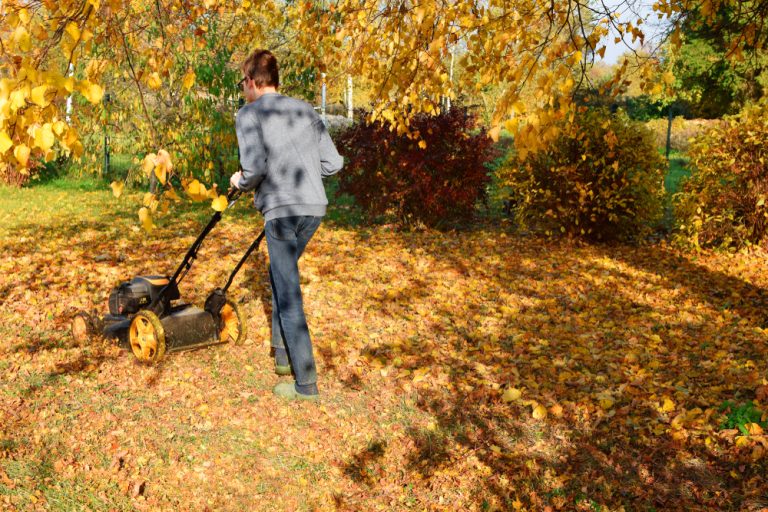
For years, the standard fall routine was simple: rake every leaf, stuff the pile into bags, and make the lawn look as though autumn never happened. Now gardeners are increasingly told to “leave the leaves,” which sounds wonderfully easy until a thick layer of wet maple leaves is plastered across the grass. The truth is…
composting
Don’t Compost These 7 Plants When You Clean Out the Garden This Fall
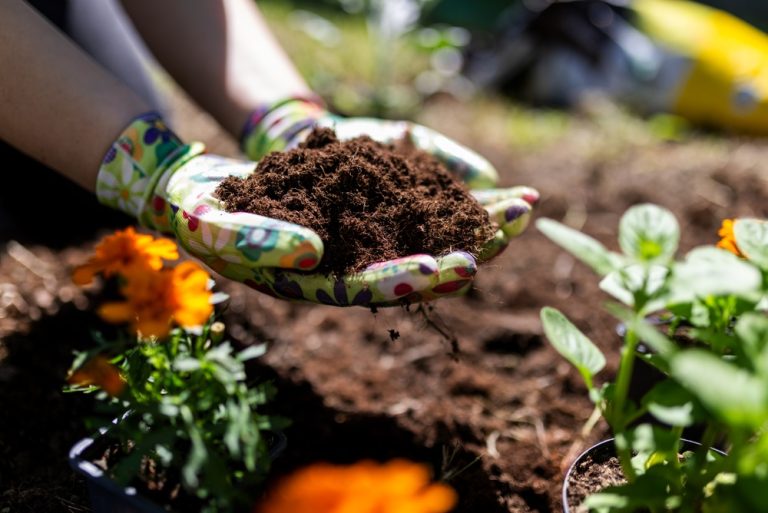
Fall garden cleanup creates a mountain of tempting compost material, but not everything that came out of the garden belongs in that pile. Some plants can carry diseases, spread from stubborn pieces of root, or dump a fresh crop of weed seeds into the compost you plan to use next year. That does not mean…
A Few Minutes of Fall Garden Maintenance Could Prevent Expensive Problems Next Year

A few minutes of fall garden maintenance can save a surprising amount of money, work, and frustration when spring arrives. A garden that looks finished for the season still holds plenty of unfinished business, from diseased foliage and lurking weeds to dirty tools and forgotten hoses. Fall cleanup does not require turning the yard into…
You Could Start Next Year’s Garden Now Without Spending Much at All

Next year’s garden can start long before the first seed packet hits the shopping cart. In fact, some of the best preparation happens when this year’s garden still has plenty going on, because fall offers free materials, mature seeds, fallen leaves, fading plants, and plenty of opportunities to set up a better growing season without…
8 Ways to Make This Year’s Garden Supplies Last Another Season

Garden supplies do not have to become annual purchases. A little cleaning, smart storage, and timely maintenance can keep tools, containers, hoses, stakes, and other hardworking gear ready for another round instead of sending them to the trash. The savings feel satisfying, but longevity also makes gardening easier. There is nothing charming about discovering a…
Those Dead Summer Plants May Still Have Value Before They Reach the Trash

A brown tomato plant, crispy basil, or collapsed annual flower can look like garden garbage, but the end of a plant’s season does not necessarily mean the end of its usefulness. Before those tired stems land in a trash bag, gardeners can often turn them into compost, save their seeds, create habitat, or return valuable…
That Expensive Bagged Mulch May Be Sitting in Your Yard for Free
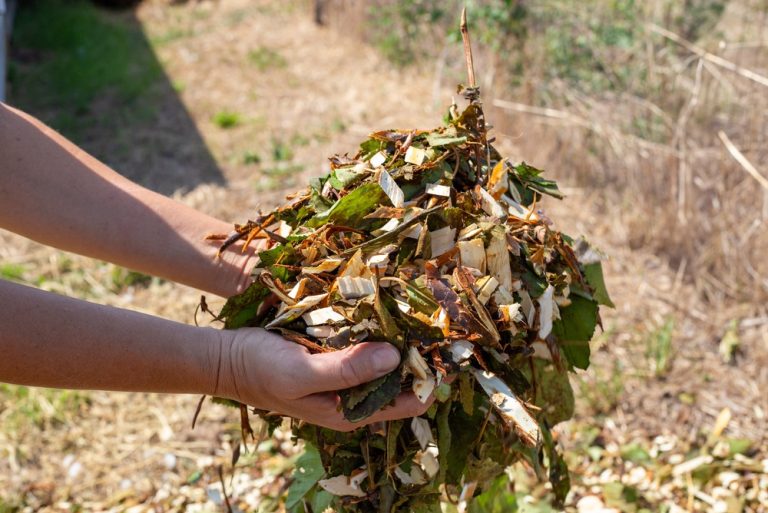
The mulch aisle at the garden center has a way of making ordinary tree debris look like a luxury product. Meanwhile, the leaves scattered across your lawn and the pile of small branches near the shed may already provide much of what those bags promise: moisture retention, weed suppression, temperature moderation, and organic matter for…
9 Things Gardeners Should Never Throw Away at the End of Summer
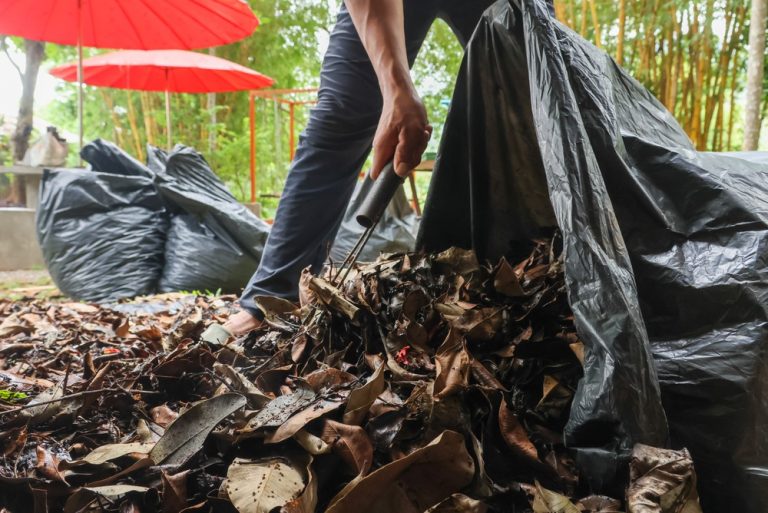
The end of summer can make a garden look like it has nothing left to offer. Spent plants, half-used seed packets, empty nursery pots, piles of leaves, and crooked tomato stakes can quickly resemble a collection of gardening junk, but much of that “junk” still has a job to do. A little sorting can save…
9 Things Gardeners Should Never Throw Away at the End of Summer
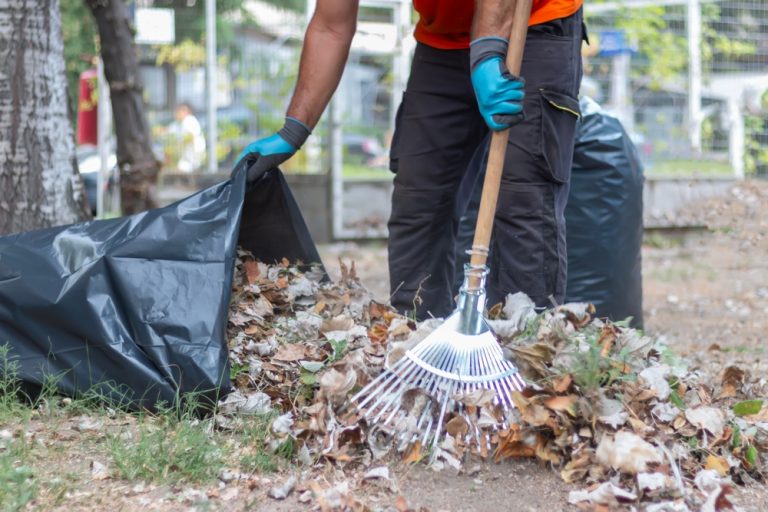
The end of summer can turn a productive garden into a surprisingly useful pile of leftovers. Those dried seed heads, fallen leaves, spent plants, and half-empty bags of garden materials may look like cleanup chores, but many can give next season’s garden a head start. The trick involves knowing what deserves a second act and…
7 Kitchen Scraps That Belong in Compost—and 4 That Do Not
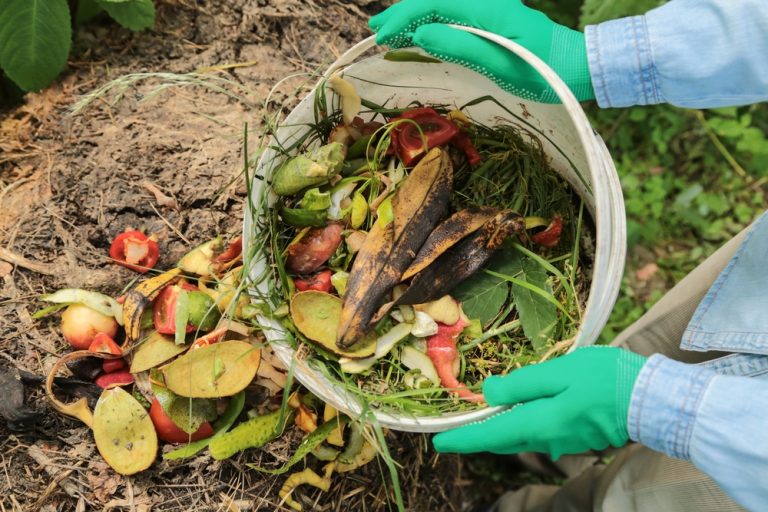
The compost bin can turn a surprising amount of kitchen waste into useful organic matter for the garden. Apple cores, coffee grounds, vegetable trimmings, and even crushed eggshells can all find a second life in the pile, while certain leftovers can create more trouble than they are worth. Knowing the difference keeps composting simpler and…