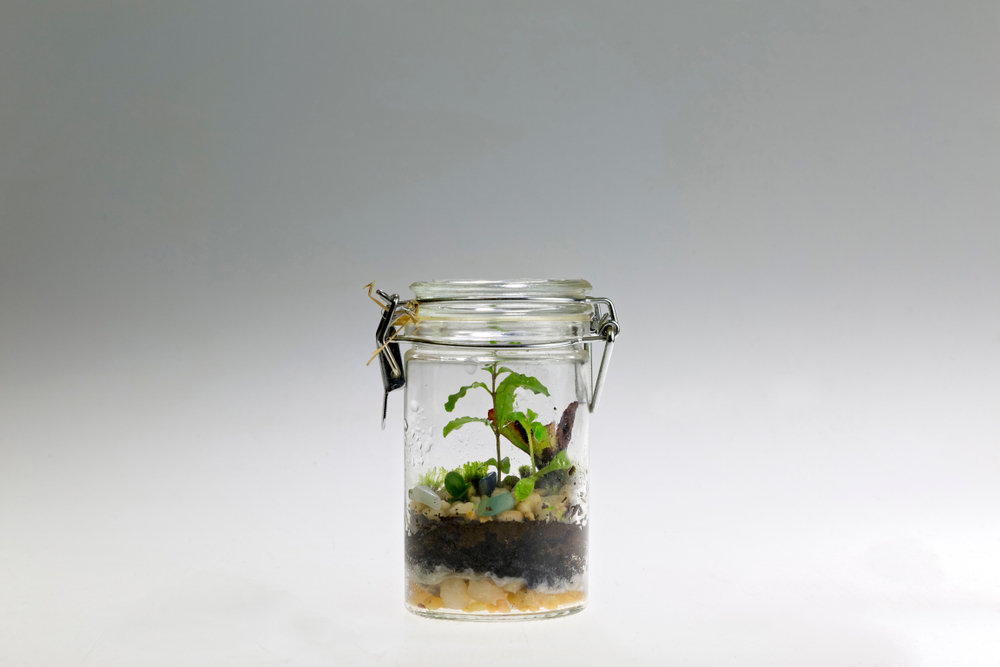
Fresh greens don’t need soil, acres of land, or expensive equipment. A countertop, a mason jar, and a splash of curiosity can launch a thriving mini garden right in the middle of a kitchen. This simple approach turns ordinary glass jars into productive plant stations that grow herbs and leafy greens with surprising speed. The method keeps things clean, affordable, and beginner-friendly while still delivering impressive results. Many home growers now turn to mason jar hydroponics as a fun gateway into soil-free gardening that actually works.
This method opens the door for anyone to grow food indoors without the mess of dirt or the need for a backyard. It also brings plants closer to daily life, turning them into living décor that doubles as food production. Even small spaces like apartments or dorm rooms can host thriving greens with this approach. The beauty of mason jar hydroponics lies in its simplicity and accessibility. Once the basics click, the entire process feels more like a kitchen experiment than traditional gardening.
A Tiny Garden That Fits on a Shelf
Mason jar hydroponics transforms a basic glass jar into a self-contained growing system. This method removes soil entirely and replaces it with water enriched by nutrients that feed plant roots directly. The setup allows growers to watch roots develop in real time, which adds a surprisingly satisfying visual element. Many beginners choose mason jar hydroponics because it costs very little and requires almost no technical skill. A single jar, a plant cutting or seed, and water create the foundation for success.
This system works especially well for leafy greens and herbs that don’t need deep root space. Basil, lettuce, and mint thrive in mason jar hydroponics because they grow quickly and adapt well to water-based environments. Clear jars also help track water levels and root health without digging or guessing. Light exposure from a sunny window or small grow light keeps everything moving smoothly. The simplicity of mason jar hydroponics turns plant care into a daily habit that feels more like a hobby than a chore.
Setting Up the $5 Hydroponic Jar System
The setup for mason jar hydroponics starts with choosing a clean glass jar, ideally wide-mouthed for easy plant access. A net cup or even a DIY support made from mesh or foam holds the plant in place above the water line. Water fills the jar just below the roots so oxygen can reach them without drowning the plant. A few drops of liquid hydroponic nutrients complete the base system and keep growth steady. This simple structure makes mason jar hydroponics one of the most budget-friendly gardening methods available.
Placement matters just as much as construction in mason jar hydroponics. A bright windowsill gives plants the energy they need to photosynthesize and grow strong. If natural light falls short, a small LED grow light easily fills the gap. Rotating jars every few days helps plants grow evenly and avoid leaning toward one direction. With just a few thoughtful choices, mason jar hydroponics turns into a stable mini ecosystem that practically runs itself.
Feeding, Lighting, and Keeping Plants Happy
Plants grown through mason jar hydroponics rely entirely on nutrient-rich water for survival. Liquid fertilizer designed for hydroponic systems keeps roots healthy and encourages steady growth. Changing the water every one to two weeks prevents buildup and keeps oxygen levels high. Clean water also stops algae from taking over the jar and stealing nutrients. Consistency matters more than complexity in mason jar hydroponics, so simple routines win every time.
Light plays a major role in how well mason jar hydroponics performs. Most leafy greens need at least six hours of bright light each day to thrive. Grow lights offer a reliable backup during cloudy seasons or low-light homes. Temperature stability also helps plants avoid stress and slow growth. When light, water, and nutrients align properly, mason jar hydroponics produces crisp, healthy greens in a surprisingly short time.
Troubleshooting the Most Common Jar Garden Problems
Cloudy water often signals imbalance in mason jar hydroponics systems. Algae growth usually appears when light hits the water directly for too long. Wrapping jars in dark paper or using opaque containers helps block excess light. Yellowing leaves typically point to nutrient shortages that require a quick fertilizer adjustment. Small tweaks keep mason jar hydroponics running smoothly without major disruptions.
Root rot can appear if water levels rise too high or oxygen levels drop too low. Letting roots breathe just above the water line solves most of these issues quickly. Weak growth often signals insufficient lighting or inconsistent feeding schedules. Regular observation helps catch these problems early before they spread. Careful attention turns mason jar hydroponics into a reliable, low-maintenance growing system that rewards patience.
Why This Simple Jar Method Changes Indoor Gardening
Mason jar hydroponics proves that gardening doesn’t need complexity to deliver results. Small spaces suddenly become productive, green, and surprisingly efficient with very little investment. This method encourages experimentation, learning, and daily interaction with living plants. Many growers discover that mason jar hydroponics builds confidence for larger hydroponic systems later on. The process feels approachable yet still delivers fresh, edible results.
What could a kitchen harvest look like with just a few jars and a sunny window? If you have some experience with this kind of gardening, we want to hear about it below in our comments.
You May Also Like…
The Indoor Herb Hack: Growing Fresh Flavor in a Dark Kitchen for Pennies
The Indoor Gardening Setup Texans Love That Experts Say Is Wasting Your Money
Indoor Gardening Is Booming in 2026—But These 4 Common Setups Are Wasting Your Money
Easy DIY Garden Cloche Ideas for Cold Protection
Experts Say These Indoor Greenhouses Are Failing Seedlings in Cold Snaps

Brandon Marcus is a staff writer for FrugalGardening.com at District Media, Inc., where he delivers practical gardening advice with a relatable, no-nonsense style. An avid amateur gardener, he holds a BA degree and with over ten years of professional writing experience, he is also an award-winning published author whose first book, Questions For Deep Thinkers, was released by Adams Media. His work has appeared in major publications including Fandom.com, CHUD.com, TheColdWire.com, and Fansided.com.
Leave a Reply