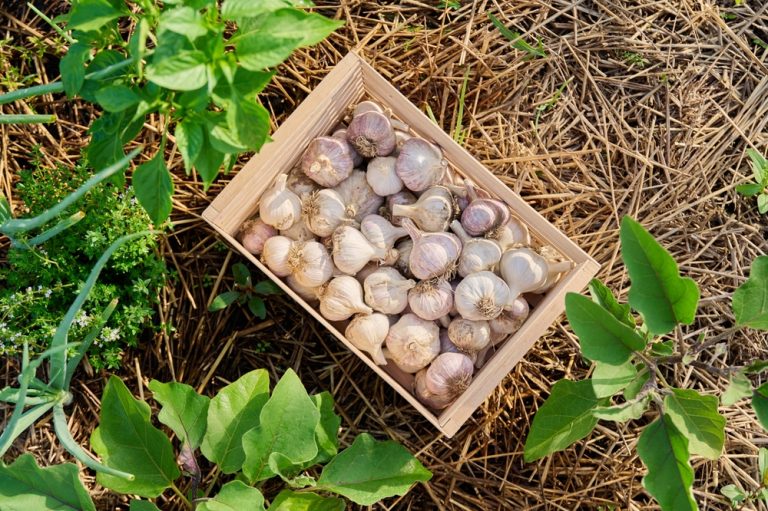
Garlic harvest day feels like a small victory lap in the garden. Those underground bulbs spent months quietly developing, and now the garden bed suddenly has an empty spot waiting for its next assignment. Knowing what to do after pulling garlic helps gardeners protect soil quality, reduce pests, and keep the garden productive long after…
Vegetable Garden
What Is the Best Use for Tomato Suckers You Remove?
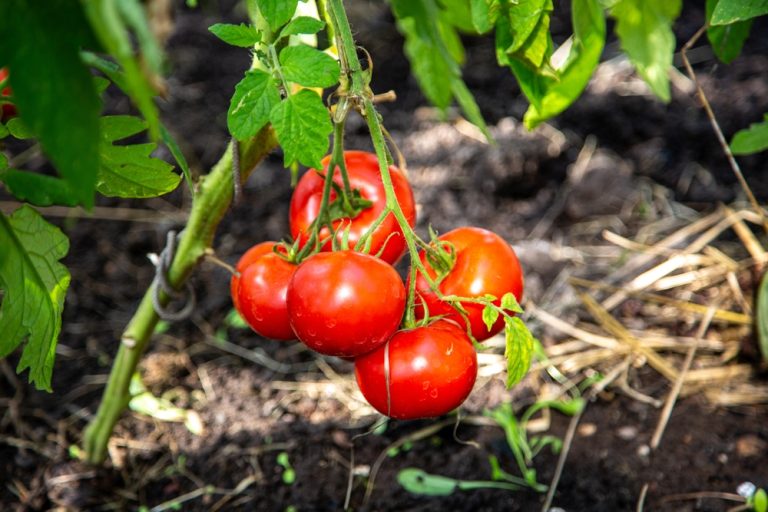
Tomato suckers often look like little troublemakers stealing energy from the main plant, but those tiny shoots can become valuable garden helpers. Instead of tossing them into the compost pile, gardeners can turn many tomato suckers into new plants, extra harvests, or nutrient-rich compost. The next time a tomato plant sprouts a sucker between a…
Should You Let Cilantro Go to Seed in Hot Weather?
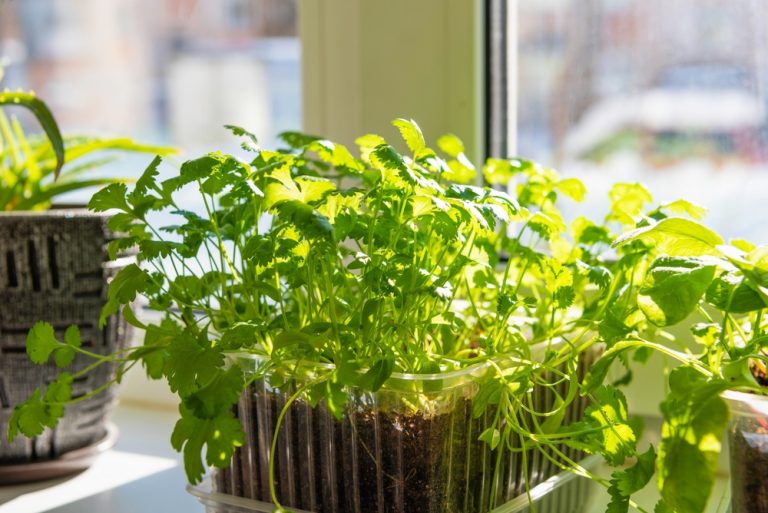
Cilantro has a reputation for making a sudden exit when summer temperatures climb. One week, the plant looks lush and ready for tacos, salsa, and a heroic amount of fresh garnish. The next week, it shoots upward, produces delicate flowers, and seems determined to turn the entire garden into a seed-production facility. So, should you…
Low-Cost Ways to Keep Deer Away From Ripening Crops

A garden full of ripening tomatoes, beans, peppers, and melons can look like a five-star restaurant to a hungry deer. The frustrating part comes when a gardener checks the garden in the morning and finds half-eaten tomatoes, trampled plants, or a neat row of bean plants that suddenly looks like a salad bar with legs….
Can Shade-Loving Edibles Lower Your Garden’s Water Needs?
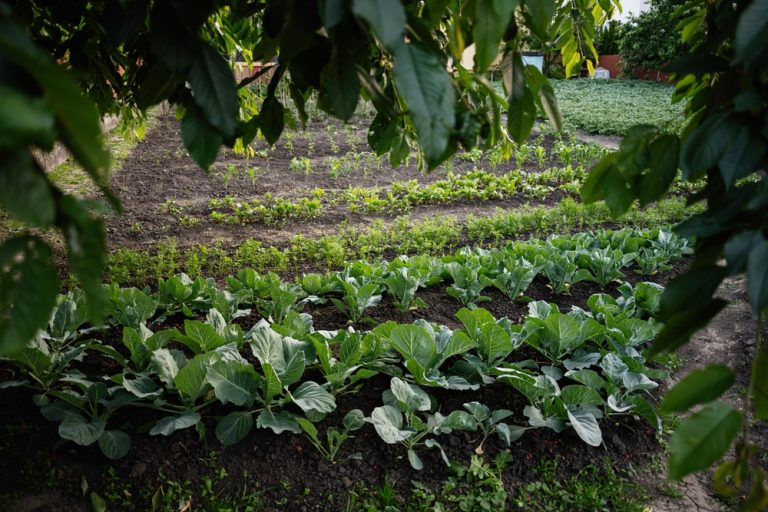
Shade-loving edibles can lower your garden’s water needs, especially when summer heat turns a sunny vegetable patch into a thirsty little drama queen. Cooler soil loses less moisture to evaporation, and crops such as lettuce, spinach, kale, mustard greens, and other leafy vegetables can handle partial shade far better than tomatoes, peppers, melons, and squash….
7 Garden Crops That Benefit From a Second Sowing
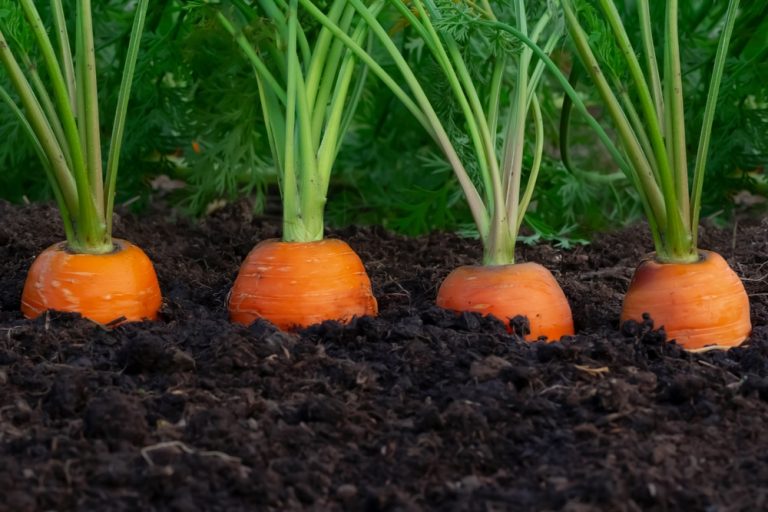
The first harvest often steals the spotlight, but a second sowing can turn an ordinary garden into a productive powerhouse. Many popular vegetables and herbs actually perform better when gardeners plant another round after the first crop starts producing or finishes its run. That simple habit keeps fresh food coming instead of leaving empty patches…
Can a Garden Journal Help You Spend Less Next Season?
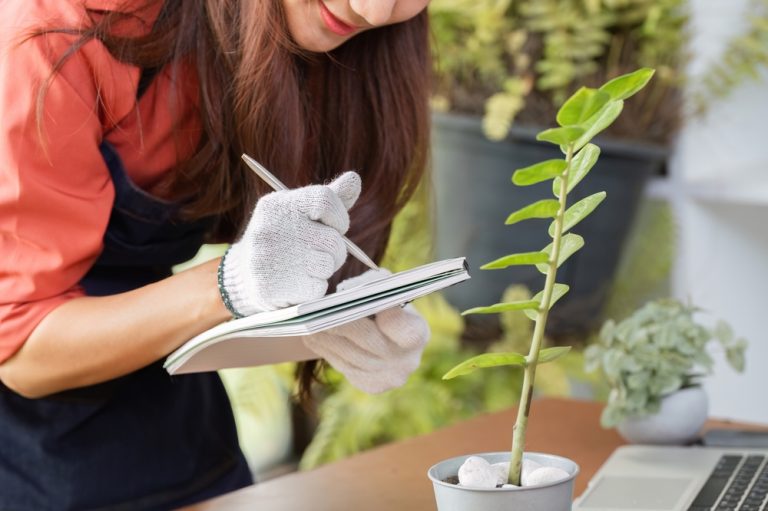
Every growing season teaches valuable lessons, but those lessons often disappear by the time spring rolls around again. A simple garden journal changes that by turning forgotten successes and expensive mistakes into useful notes that guide every planting decision. Instead of buying the same disappointing seeds or repeating the same timing errors, gardeners can build…
Why Do Some Melons Stop Setting Fruit During the Hottest Weeks?
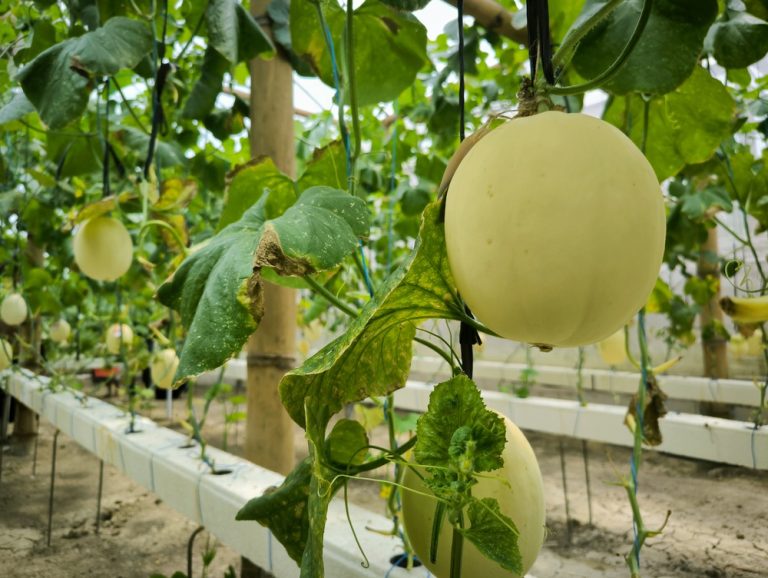
Melon vines can look healthy and impressive in summer, then suddenly stop producing new fruit when temperatures climb. The reason often comes down to heat stress, pollination problems, and the plant’s survival instincts during the hottest stretch of the growing season. A garden full of sprawling vines and bright yellow flowers can feel like a…
What Should You Do When Tomato Leaves Curl but Stay Green?
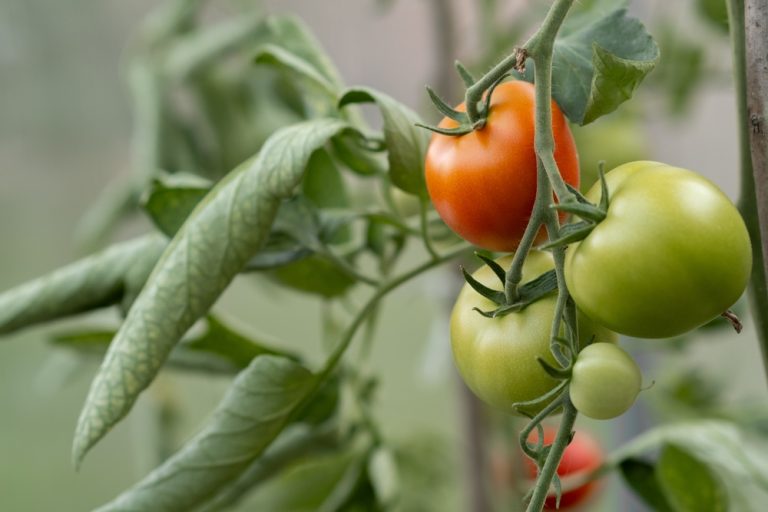
Tomato leaves that curl while keeping their healthy green color often signal a plant asking for help, not a plant giving up. The good news is that green curled leaves usually point toward stress, environmental changes, or a care issue that gardeners can often correct with a few smart adjustments. Before reaching for sprays or…
The Cheap Mulch Materials That Can Damage Plants or Soil
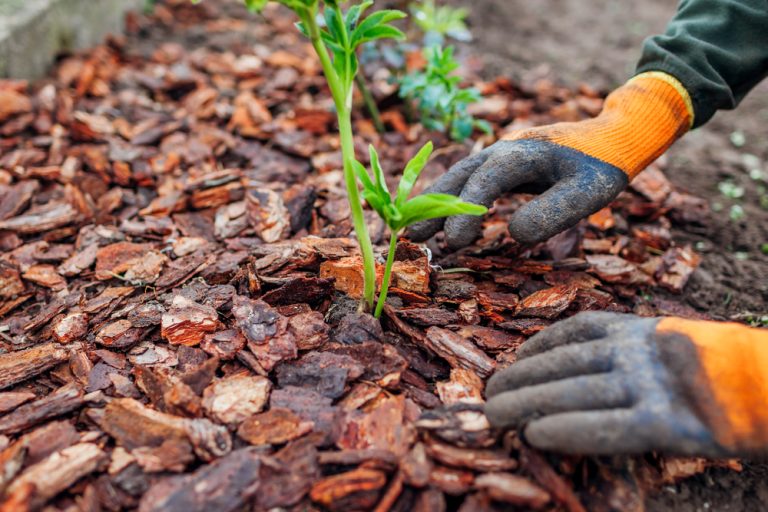
Cheap mulch often looks like a smart way to stretch a gardening budget, but the lowest-priced option sometimes carries the highest hidden cost. Some materials rob soil of nutrients, spread pests, introduce weeds, or even release compounds that stress young plants. Saving a few dollars at the garden center means very little if flower beds…