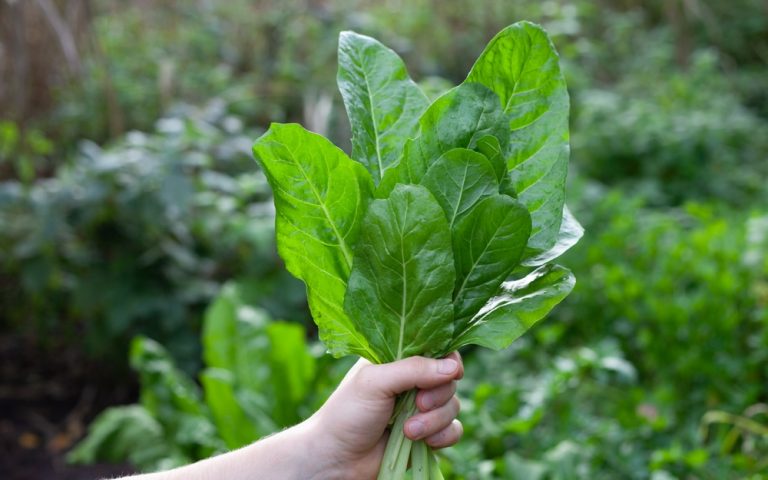
September may look like the vegetable garden’s closing time, but somebody forgot to lock the door. As summer crops fade, cool-season vegetables are just getting interested, and several can still go into the garden in September for a fall harvest. The trick involves choosing vegetables that tolerate cooler weather and matching planting time to the…
Vegetable Garden
6 August Garden Jobs That Make September Easier
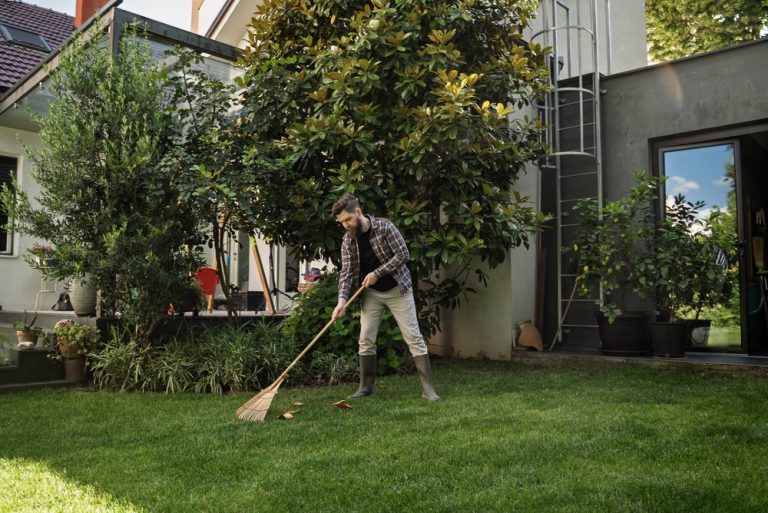
August has a sneaky way of turning the garden into a to-do list with leaves. One minute the beds look wonderfully productive, and the next, spent flowers, sprawling vines, ripe vegetables, weeds, and thirsty containers seem to demand attention all at once. A few well-timed jobs in August can prevent that September pileup and make…
6 Ways to Stretch a Small Garden Budget Into Fall
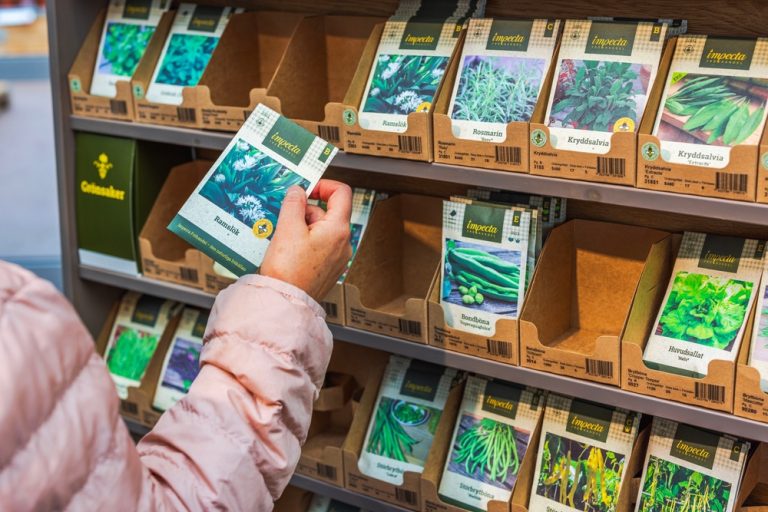
A garden budget can disappear surprisingly fast. A few seed packets here, a bag of potting mix there, then suddenly a perfectly innocent trip to the garden center has turned into a receipt that deserves its own zip code. Fall gardening does not have to work that way, though, because the garden already contains plenty…
How Much Water Does a Garden Need During Late-Summer Heat?
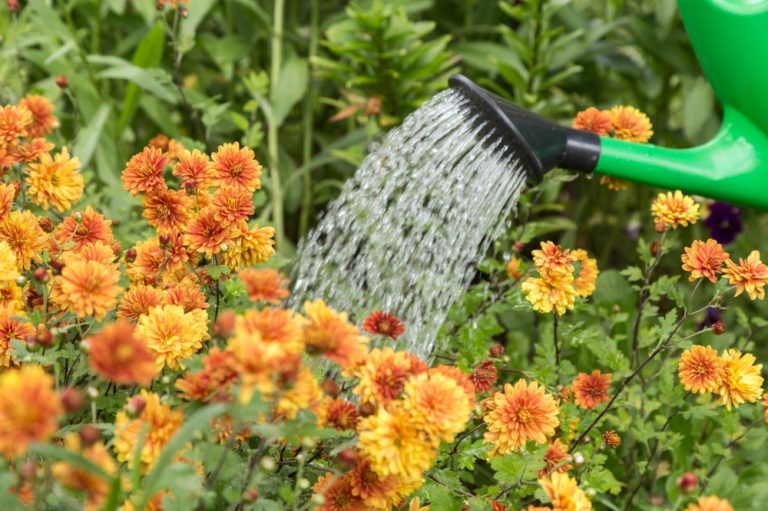
Late-summer heat can turn a perfectly reasonable garden into a collection of thirsty plants by lunchtime. The tricky part involves knowing how much water actually helps because a quick sprinkle across the soil can look productive while doing very little for the roots. During hot weather, most gardens need consistent moisture in the root zone,…
8 Garden Tasks That Become Easier in the Final Week of August
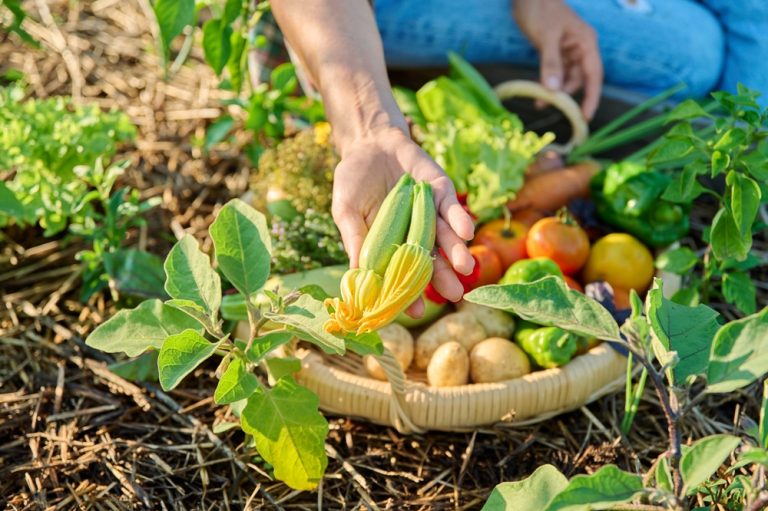
The final week of August gives the garden a funny little shift in personality. Summer still has plenty of heat left, but the calendar has started whispering about fall, which makes this an excellent time to tackle jobs that feel much harder when September arrives in a rush. Some tasks simply become easier because plants…
Why Are Gardeners Growing Borage for More Than Its Flowers?
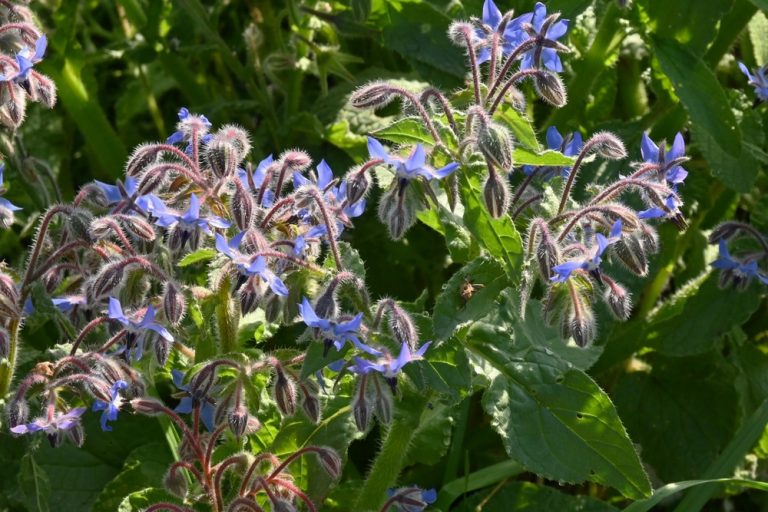
Borage earns plenty of attention for its star-shaped blue flowers, but gardeners have discovered that those pretty blossoms represent only part of the plant’s appeal. This old-fashioned herb can attract pollinating insects, add cucumber-like flavor to the kitchen, fill awkward garden spaces, and even reseed itself for another appearance next season. That makes borage, or…
Should You Allow Volunteer Tomatoes to Keep Growing This Late?
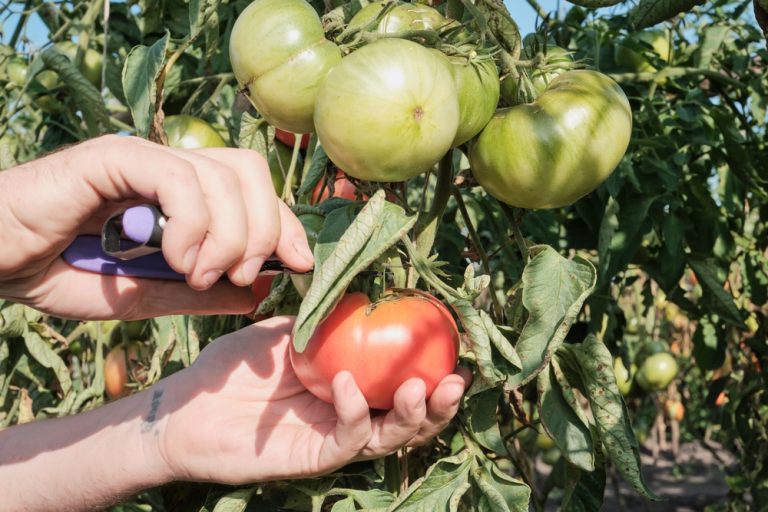
Volunteer tomatoes have a funny habit of showing up without an invitation, planting themselves in the garden and then acting as though they own the place. By late summer, that once-cute surprise can turn into a serious question: should the plant keep growing, or should it get pulled before it becomes a tangled mess? The…
6 Ways to Reuse Bamboo Stakes Before Putting Them Away
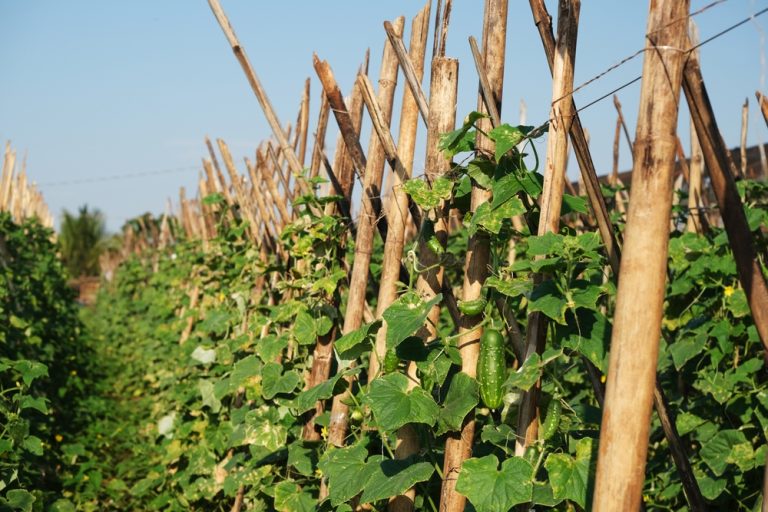
Bamboo stakes rarely deserve a one-season retirement. Before tossing a bundle into the shed until next spring, gardeners can put those slender poles to work supporting plants, protecting seedlings, organizing garden spaces, and even helping with small outdoor projects. That matters because a bamboo stake can do far more than prop up a tomato. Its…
7 Frugal Garden Projects to Finish Before Daylight Shrinks
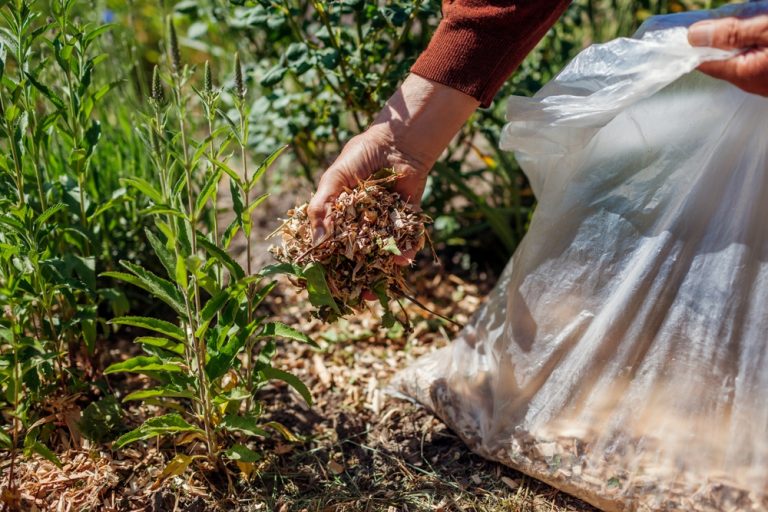
Summer has a sneaky way of making the garden feel endless. Then one afternoon arrives when dinner somehow needs to happen before the sun disappears, and suddenly every unfinished garden chore starts waving from across the yard. Thankfully, several worthwhile projects cost little or nothing, and finishing them now can make next season easier, cheaper,…
Is Your Garden Ready for Shorter Days and Longer Nights?
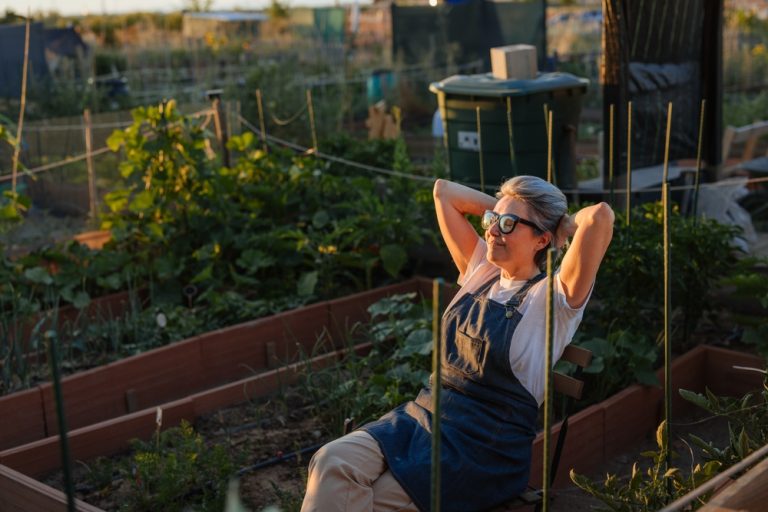
The calendar may still insist that summer has plenty of life left, but the garden already knows better. As daylight fades a little earlier each evening, plants begin shifting gears, even when afternoons still feel hot enough for lemonade and a shady hammock. That quiet seasonal change affects everything from flowering to vegetable production, making…