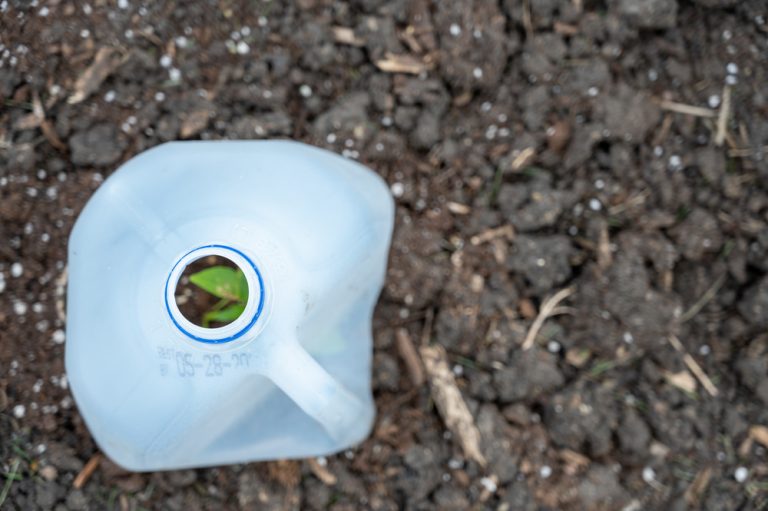
A few empty milk jugs can become a surprisingly effective garden defense when rabbits start treating fresh fall seedlings like a backyard salad bar. With a little cutting, cleaning, and clever placement, these everyday containers can help shield tender plants while they establish themselves. Fall gardens often begin with excitement and end with frustration when…
Vegetable Garden
Why Are Your Winter Squash Vines Rooting Along the Ground?
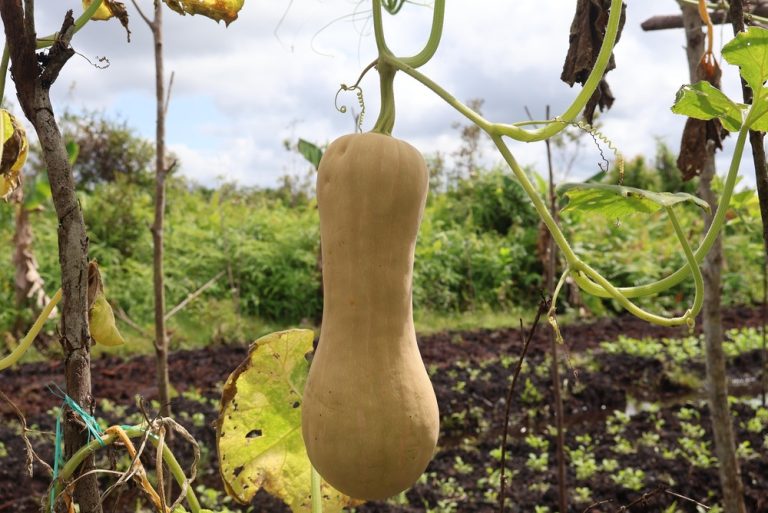
Winter squash vines sometimes surprise gardeners by sending tiny roots into the soil along their long, wandering stems. It can look like the plant has decided to grow a second underground support system, and in a way, that is exactly what it is doing. Those little roots reveal an amazing survival strategy hiding in plain…
7 Crops That Make Good Use of a Finished Corn Patch
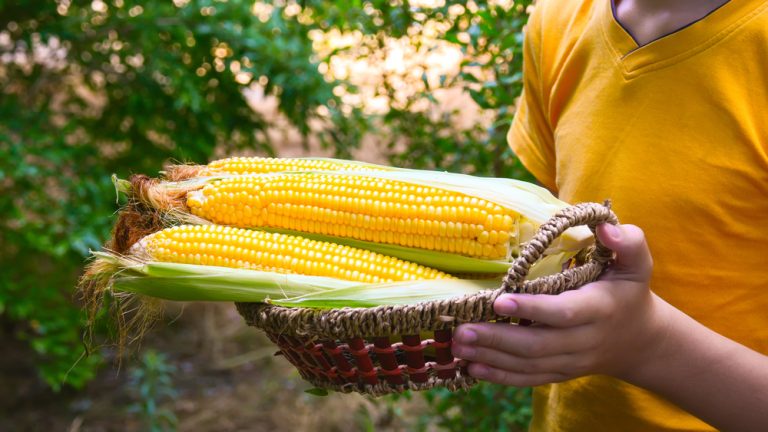
A finished corn patch does not have to become an empty square of dirt waiting for next spring. Once the last ears disappear and the stalks come down, that sunny space can host another round of useful crops that love the leftover garden conditions. Gardeners often focus so much on growing corn that they forget…
5 Ways to Use Shade From Mature Crops Before They Come Out
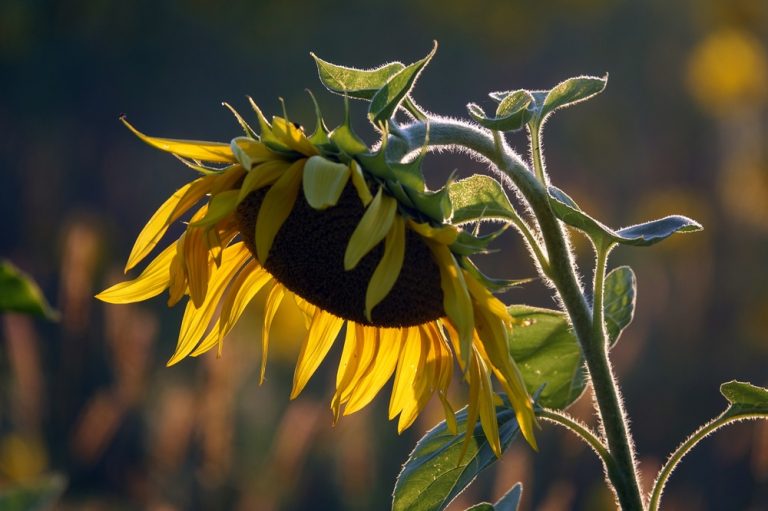
A garden does not stop being useful just because one crop approaches the finish line. Mature plants such as corn, tomatoes, sunflowers, and trellised vines can create valuable shade that helps younger plants handle intense summer conditions before those older crops leave the garden. That leafy canopy above the soil acts like a tiny backyard…
Should You Wash Garden Produce Before Storing It?
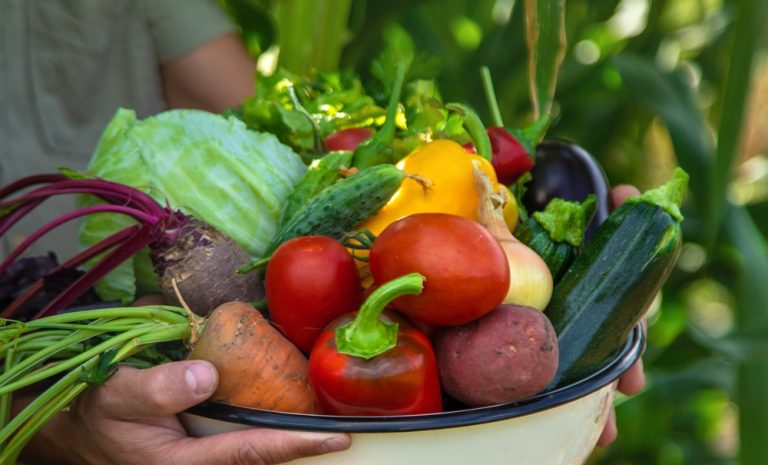
Nothing feels more satisfying than carrying a basket of freshly picked tomatoes, cucumbers, beans, or carrots into the kitchen. That colorful harvest represents weeks or even months of planning, watering, weeding, and waiting. One simple mistake after harvest, however, can shorten the life of those hard-earned vegetables. Many gardeners reach for the sink before anything…
6 Signs Garden Soil Is Too Warm for Newly Sown Seeds
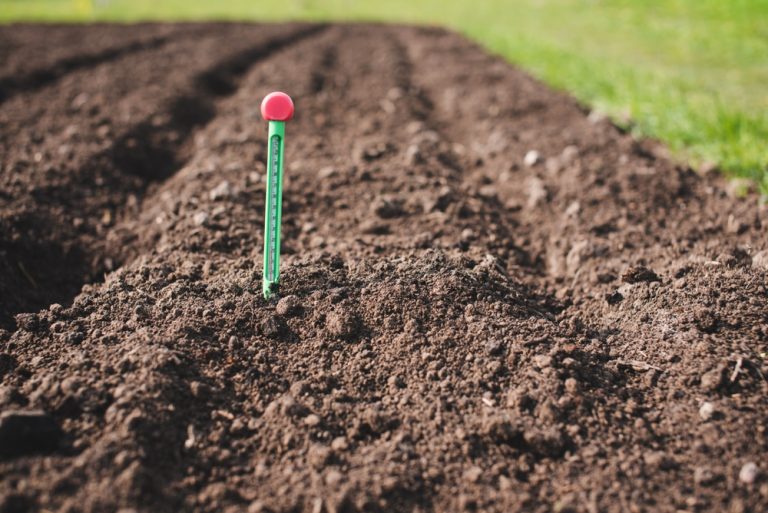
Spring often gets all the glory for seed starting, but plenty of gardeners sow seeds well into summer. That strategy works beautifully until the soil turns into something closer to a heated blanket than a cozy bed for tiny seedlings. Warm soil encourages many crops, but every seed has a comfort zone, and crossing that…
8 Ways to Keep a July Garden Productive Without Buying New Plants
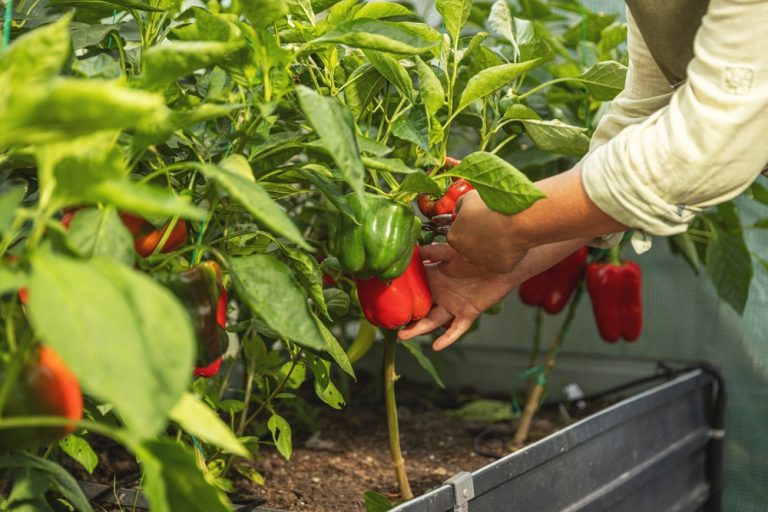
July often brings a strange mix of excitement and disappointment in the garden. Tomato vines stretch toward the sky, cucumbers seem to multiply overnight, and then suddenly a few beds start looking tired, wilted, or downright lazy. Many gardeners assume the only solution involves another trip to the garden center, but the plants already growing…
Can Companion Planting Reduce Pest Damage Without Extra Spending?
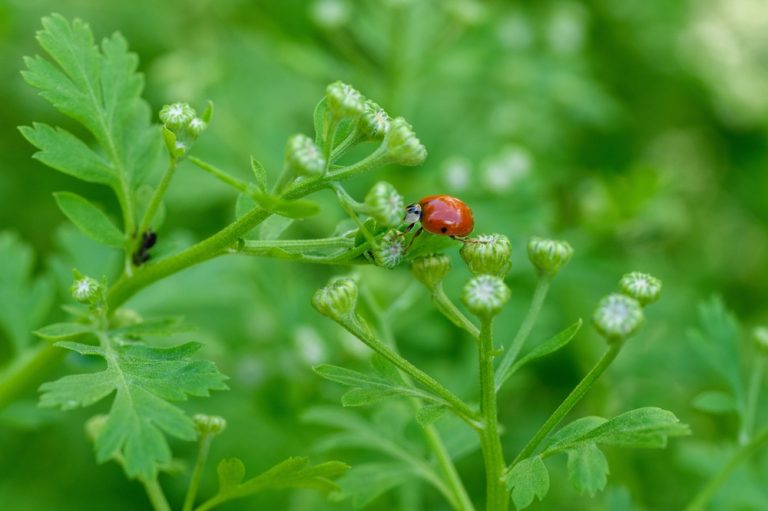
Every growing season brings the same battle. Tender leaves attract hungry insects, tomatoes suddenly look like an all-you-can-eat buffet, and gardeners start eyeing expensive sprays, traps, and powders. Companion planting offers a different path by using plant partnerships instead of opening a wallet. The idea sounds almost too simple, yet many experienced gardeners rely on…
5 Crops That Fit Into Narrow Side-Yard Gardens

Every yard has that awkward skinny strip running between the house and the fence. Lawn mowers hate it, weeds seem to love it, and many homeowners simply ignore it. That little slice of land often sits in partial sun and looks too cramped for a traditional garden. That assumption leaves a surprising amount of growing…
Should You Transplant Volunteer Seedlings During Hot Weather?
Volunteer seedlings can feel like a gardener’s little surprise package. A tomato plant that appears near the compost pile or a sunflower that pops up beside the fence may look like a gift from nature, but moving those seedlings during scorching weather requires careful timing and a gentle touch. Hot weather does not make transplanting…