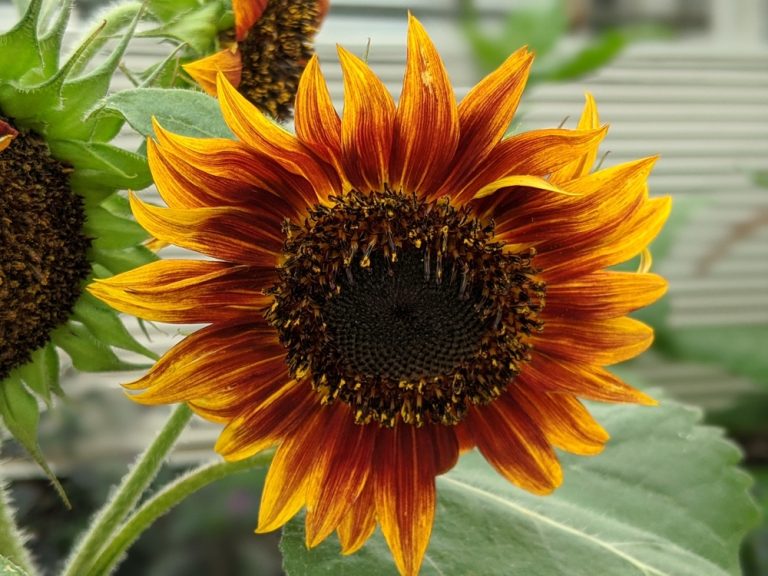
A garden can keep feeding birds long after the last bee disappears from the flowers, and the trick often involves doing absolutely nothing. Instead of cutting every faded bloom to the ground, gardeners can leave mature seedheads standing so finches, sparrows, chickadees, and other seed-eating birds can pick through them as fall progresses. Cornell Lab…
wildlife gardening
What Is the Best Way to Clean a Birdbath Without Harming Wildlife?
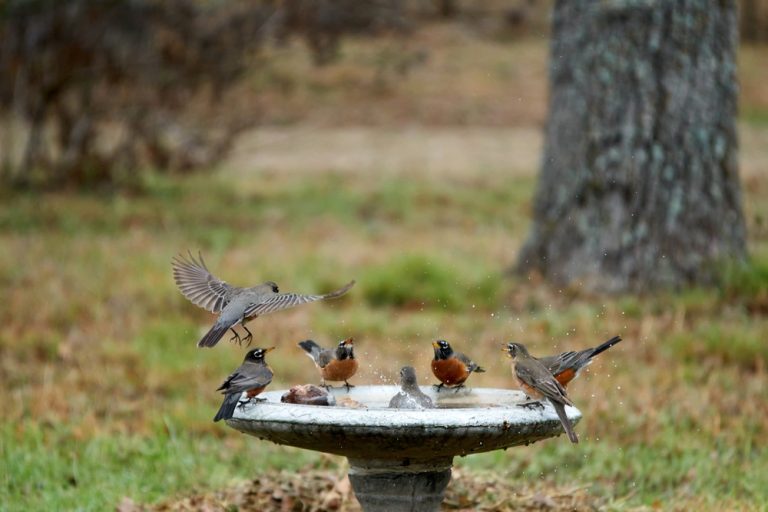
A clean birdbath gives backyard birds something far more valuable than a fancy garden accessory: dependable fresh water. The best cleaning method removes algae, droppings, grime, and potentially harmful germs without leaving behind soap, chemicals, or other residues that birds can ingest or spread through their feathers. The trick involves less chemistry and more consistency….
Are Keystone Plants More Valuable Than a Long Pollinator List?
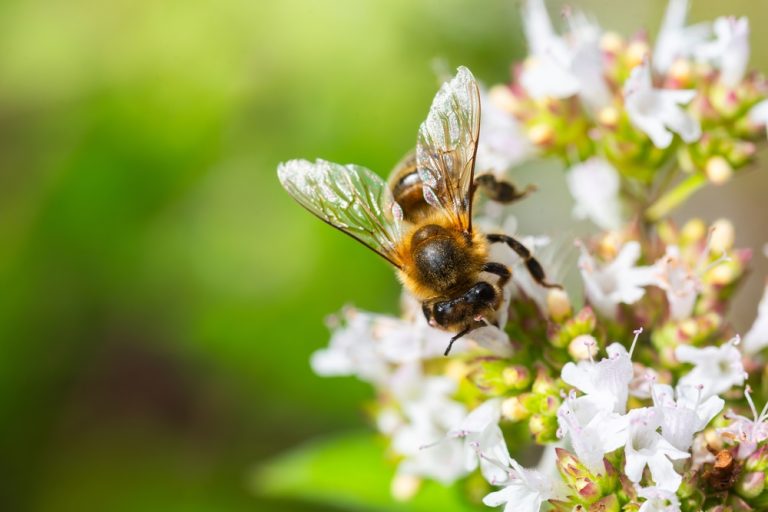
A garden packed with pollinator plants can look like a colorful buffet, but a shorter list featuring the right keystone plants may deliver a much bigger ecological impact. Choosing plants that support entire food webs helps gardeners create spaces where butterflies, bees, birds, and other wildlife find more than just a quick snack. Many gardening…
Low-Cost Ways to Keep Deer Away From Ripening Crops
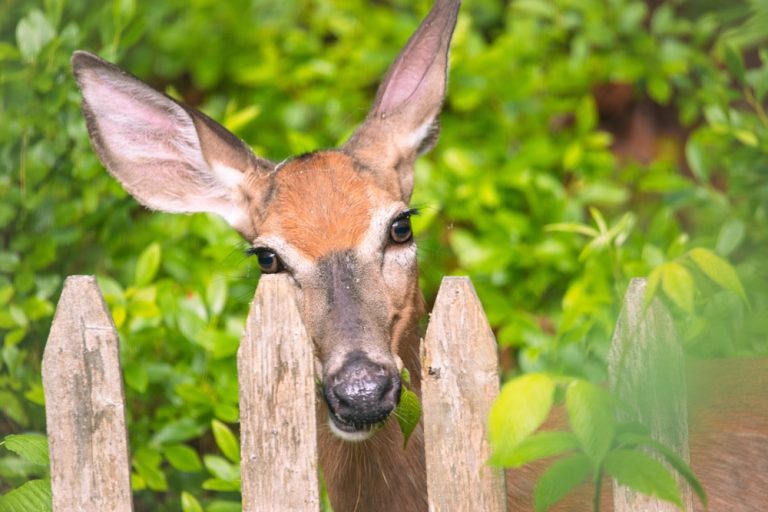
A garden full of ripening tomatoes, beans, peppers, and melons can look like a five-star restaurant to a hungry deer. The frustrating part comes when a gardener checks the garden in the morning and finds half-eaten tomatoes, trampled plants, or a neat row of bean plants that suddenly looks like a salad bar with legs….
Make Your Garden a Wildlife Haven: Insect Hotels, Bee Baths and Mini Ponds Support Beneficial Creatures
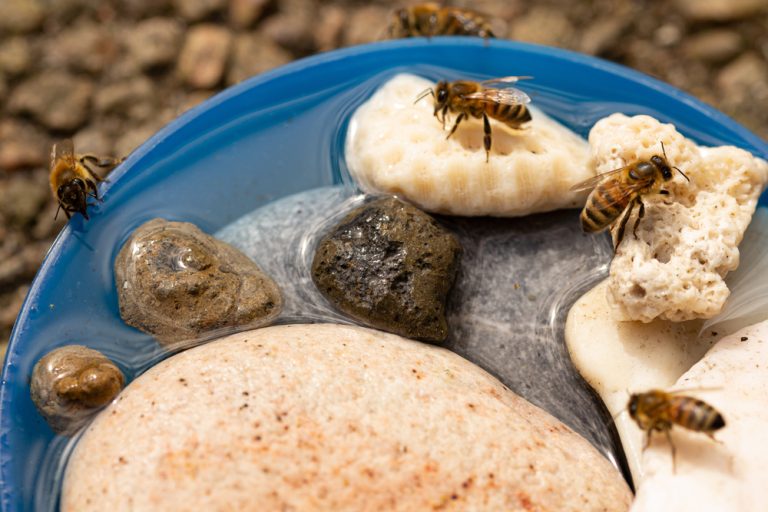
A garden can become much more than a collection of flowers and vegetables when it welcomes the tiny helpers that keep nature moving. Insect hotels, bee baths, and mini ponds create inviting spaces for pollinators, predators of garden pests, and other beneficial creatures that make outdoor spaces more lively. Many gardeners focus on what plants…
7 Gardening Habits That Could Be Hurting Pollinators
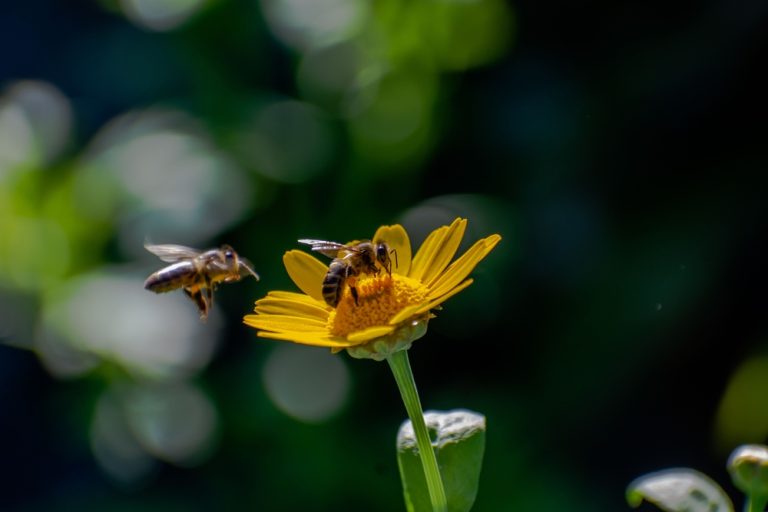
A colorful garden feels alive for a reason. Bees bounce from flower to flower, butterflies drift through the air, and even tiny hoverflies quietly handle important work that keeps flowers blooming and vegetables producing. Every visit from a pollinator helps build a healthier garden, but some common gardening habits can accidentally send those helpful visitors…
7 Summer Plants That Attract Hummingbirds Almost Instantly
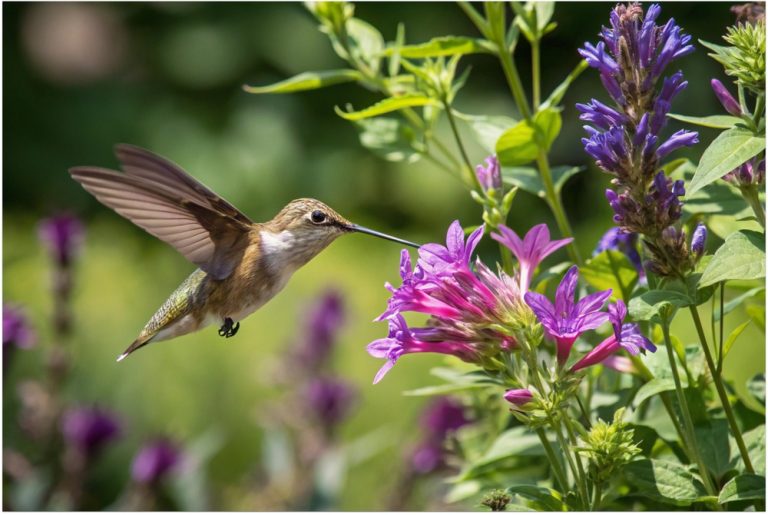
Bright wings flashing through the garden always steal attention, especially when hummingbirds arrive like tiny helicopters on a mission. These energetic pollinators search for nectar-rich blooms that can keep up with their rapid metabolism and nonstop movement. The right summer plants transform an ordinary yard into a buzzing, colorful feeding station within days. Gardeners who…
8 Nectar-Rich Options That Attract Hummingbirds
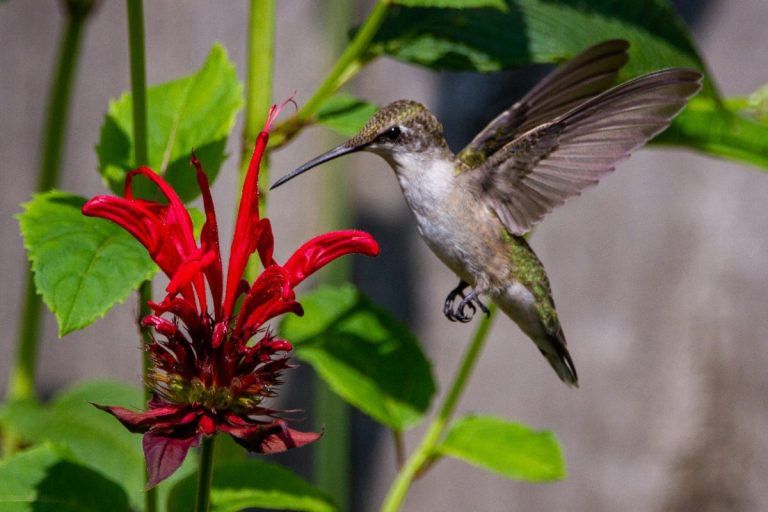
A backyard can transform into a living, buzzing stage when hummingbirds arrive. These tiny aerial acrobats chase bright, nectar-filled blooms with incredible energy and precision. The right plants turn an ordinary garden into a nonstop feeding station that feels almost magical in motion. Color, shape, and nectar production all work together to pull these birds…
How to Boost Pollinators Without Adding Flowers
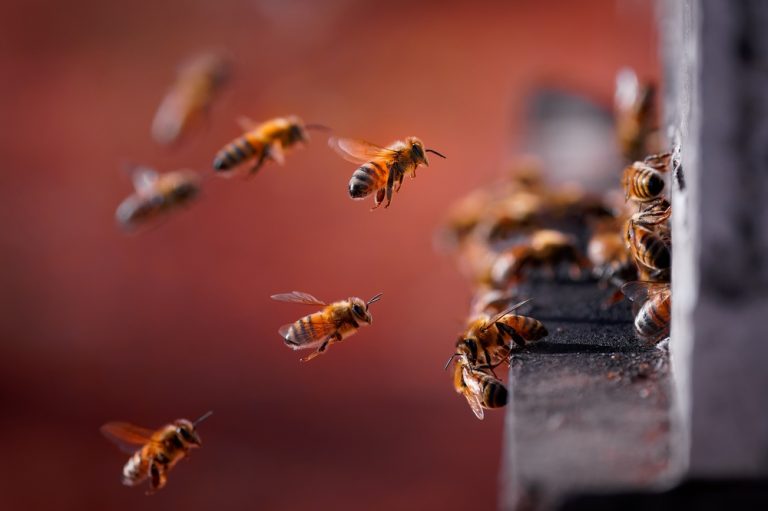
The buzz around pollinators keeps getting louder, and for good reason. Bees, butterflies, beetles, and even bats hold entire ecosystems together, yet their numbers keep dropping at a worrying pace. Everyone hears the same advice: plant more flowers. That sounds great until space runs out, budgets tighten, or climates refuse to cooperate. A yard, balcony,…