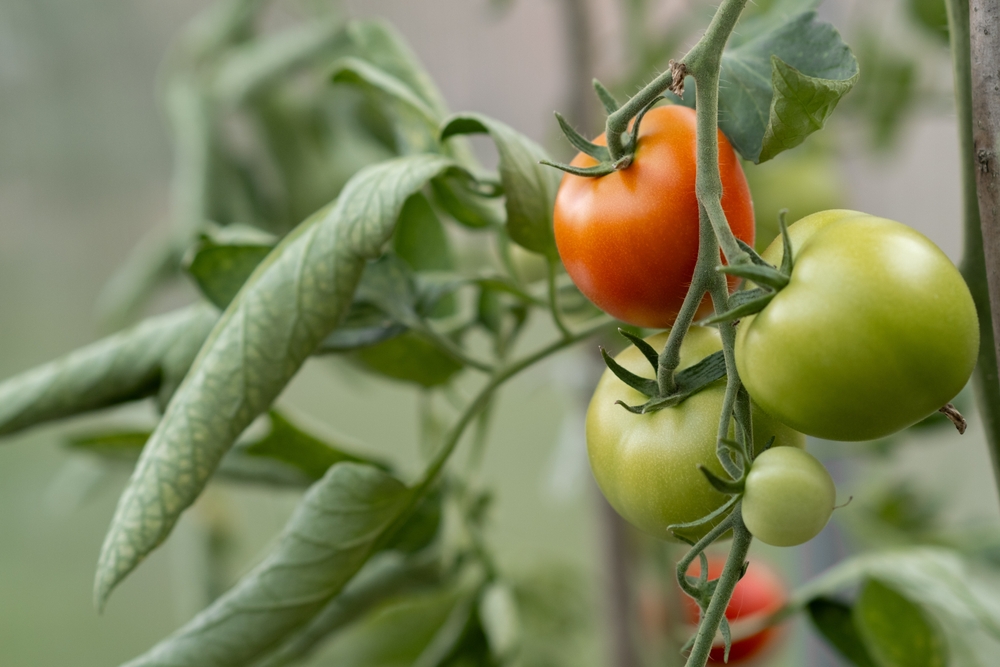
Tomato leaves that curl while keeping their healthy green color often signal a plant asking for help, not a plant giving up. The good news is that green curled leaves usually point toward stress, environmental changes, or a care issue that gardeners can often correct with a few smart adjustments.
Before reaching for sprays or pulling out a perfectly good tomato plant, take a closer look at the clues. The direction of the curl, the weather, watering habits, and the condition of the newest leaves can reveal what your tomato plant needs next.
Start With the Simple Suspects: Water, Heat, and Weather
Tomato plants sometimes curl their leaves when they experience inconsistent moisture, especially when the soil swings from very dry to very wet. A plant that sits thirsty for several days and then receives a large drink may react with curled leaves as it tries to manage water movement inside its tissues. Gardeners often spot this issue after a hot stretch of sunny days when the soil dries faster than expected. A thick layer of mulch around the plant can help keep soil moisture more steady and protect roots from temperature swings. Tomatoes appreciate deep, consistent watering rather than frequent shallow sprinkles that only wet the surface.
Weather changes can also make a tomato plant look dramatic overnight, almost like it decided to fold its leaves into tiny green tacos. High temperatures, strong sunlight, and dry winds can push leaves to curl upward while the plant protects itself from losing too much moisture. This type of curl often affects older leaves and may improve when conditions become calmer. Check the soil several inches below the surface before watering because a damp surface does not always mean the roots have enough moisture. Avoid making sudden changes to your watering routine because tomato plants respond best to steady care.
Check for Hidden Trouble From Pests and Plant Diseases
Tiny garden visitors can create big headaches, and some pests leave clues before gardeners notice the insects themselves. Aphids, whiteflies, and broad mites can damage tomato leaves and trigger curling, puckering, or distorted new growth. Inspect the undersides of leaves because many pests hide away from plain sight during the day. A gentle spray of water can remove some small pests, while insecticidal soap can help manage certain infestations when gardeners use it according to the label. Catching pest problems early gives the plant a much better chance to recover.
Tomato leaf curl can also appear alongside viral diseases, especially when new growth looks twisted, stunted, or unusually shaped. Disease related curl often affects the newest leaves first and may come with yellowing, poor fruit development, or overall weakness. Do not confuse normal environmental curl with a serious infection because the solutions differ completely. Remove plants with strong disease symptoms from the garden area to reduce the chance of spreading problems to nearby tomatoes. A healthy plant with green curled leaves and normal growth usually points toward stress rather than a major disease issue.
Look at Fertilizer, Herbicides, and Growing Conditions
Too much fertilizer can create a tomato plant with impressive green leaves but disappointing fruit production. Excess nitrogen often encourages leafy growth while the plant focuses less energy on tomatoes. Some gardeners accidentally overfeed their plants because fertilizer feels like a quick solution for every garden problem. A balanced approach works better, especially once tomato plants begin setting fruit. Follow product directions carefully and avoid adding extra fertilizer just because a plant looks unhappy.
Herbicide exposure creates another possible explanation for strange curled leaves, especially when symptoms appear suddenly after lawn treatments or weed control applications nearby. Tomato leaves may twist, cup, or grow in unusual shapes after contact with certain chemicals. Keep lawn products away from vegetable beds and avoid using grass clippings as mulch if the lawn recently received herbicide treatments. Growing conditions also matter, so make sure plants receive enough sunlight, have room for air movement, and grow in soil with good drainage. Healthy roots create a stronger foundation for handling everyday garden stress.
Give Curled Tomato Leaves a Careful Investigation
The best response to curled tomato leaves starts with observation instead of panic. Look at the entire plant, including the stem, flowers, fruit, and newest leaves, because one curled leaf rarely tells the whole story. A gardener who checks several clues can usually narrow down the problem without guessing. Think like a plant detective and collect evidence before making changes. Small adjustments often solve mild problems when gardeners act early.
Start a simple garden routine that includes checking soil moisture, inspecting leaves, and noting weather changes. These habits turn confusing plant problems into manageable puzzles instead of frustrating mysteries. Avoid removing green leaves just because they look unusual because those leaves may still help the plant produce energy. Give the plant time after making corrections because leaves do not always straighten immediately. A little patience paired with careful care can bring a stressed tomato plant back into a healthier rhythm.
The Tomato Clue That Deserves a Second Look
Green curled tomato leaves often tell a story about stress, not disaster. The gardener’s job involves reading the clues and matching the solution to the actual problem. Check watering habits, inspect for pests, consider recent chemical exposure, and think about recent weather changes before taking action. Avoid quick fixes that ignore the reason behind the curl because tomatoes respond better to thoughtful care. A curled leaf can become a helpful warning sign that guides better gardening decisions.
When tomato leaves curl but stay green, the plant still offers valuable information through its appearance. A careful inspection can reveal whether the issue comes from moisture, temperature, insects, nutrients, or another source. The healthiest gardens often come from gardeners who notice small changes before they become big problems. Tomatoes may be fussy plants, but they also communicate clearly when someone pays attention. The next time those leaves curl, grab a watering can, take a close look, and investigate before assuming the worst.
What tomato leaf problems have you solved in your own garden, and what trick helped your plants recover? Share your experience in the comments!
You May Also Like…
7 Things That Secretly Stress Tomato Plants
Sugarbeets, Sugarcane, and Vegetable Costs: What Gardeners Can Learn From Commodity Stress
Why Your Tomatoes Look Healthy But Produce Almost No Fruit
7 Vegetables That Give You the Biggest Harvest for the Money
The Secret to a Non-Stop Summer Harvest? These 7 Vegetables

Brandon Marcus is a staff writer for FrugalGardening.com at District Media, Inc., where he delivers practical gardening advice with a relatable, no-nonsense style. An avid amateur gardener, he holds a BA degree and with over ten years of professional writing experience, he is also an award-winning published author whose first book, Questions For Deep Thinkers, was released by Adams Media. His work has appeared in major publications including Fandom.com, CHUD.com, TheColdWire.com, and Fansided.com.
Leave a Reply