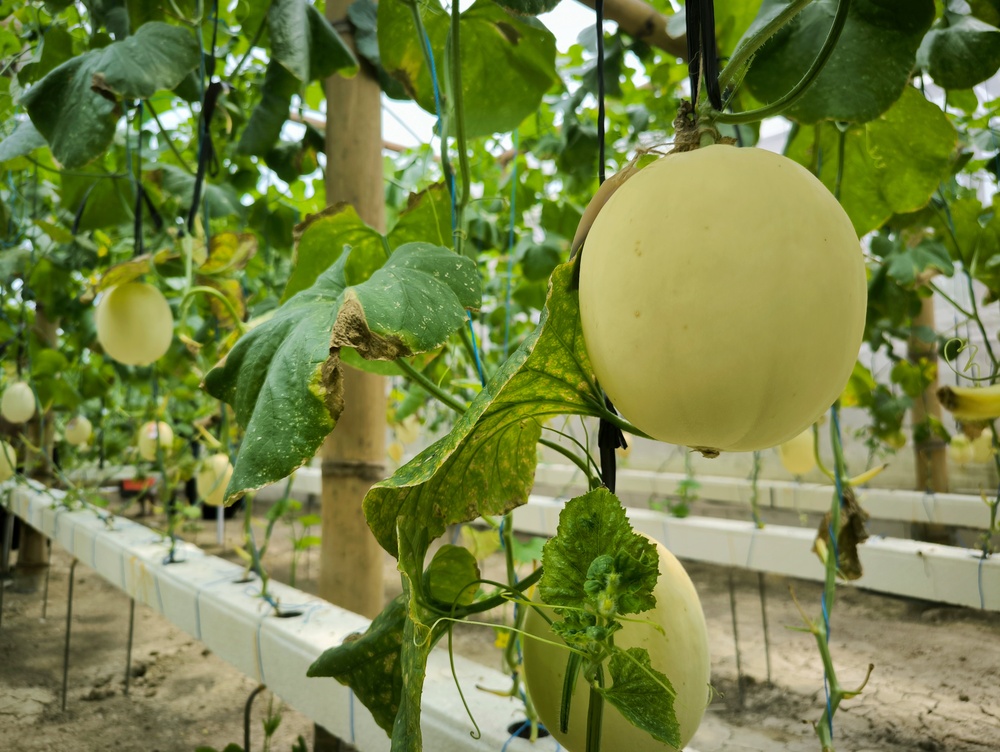
Melon vines can look healthy and impressive in summer, then suddenly stop producing new fruit when temperatures climb. The reason often comes down to heat stress, pollination problems, and the plant’s survival instincts during the hottest stretch of the growing season.
A garden full of sprawling vines and bright yellow flowers can feel like a promise of sweet harvests ahead, but hot weather can interrupt that plan. Learning what happens inside a melon plant during extreme heat helps gardeners make small changes that keep those juicy rewards coming.
Heat Waves Can Interrupt a Melon Plant’s Fruit Plans
Melon plants love warmth, but they have limits when temperatures soar day after day. During extreme heat, a vine may focus its energy on keeping leaves, stems, and roots alive instead of creating new melons. This shift can frustrate gardeners who see plenty of flowers but very little fruit forming. The plant essentially hits the brakes until conditions improve.
High temperatures can interfere with flower development and reduce the success of pollination. Melons produce separate male and female flowers, and the female flowers need successful pollen transfer before a fruit can begin growing. When heat stresses the plant, female flowers may drop before they ever start the melon-making process.
Gardeners often notice this problem during the hottest part of summer because vines still look green and vigorous. A healthy-looking plant does not always mean a productive plant during a heat wave. The roots may need extra moisture, and the flowers may need more help from pollinators to turn into fruit.
Pollination Problems Become Bigger During Hot Weather
Melon flowers depend on pollinators, especially bees, to move pollen from male flowers to female flowers. Hot weather can reduce bee activity because many insects avoid flying during the hottest hours of the day. A garden may contain plenty of flowers, yet those flowers may never receive enough pollen to create fruit.
Female melon flowers also show gardeners when the process works because they have a small swollen area behind the flower. That tiny bump eventually becomes the melon, while male flowers simply provide pollen. When gardeners see many male flowers but few developing fruits, the plant may simply need more successful pollination opportunities.
Hand pollination can rescue a struggling melon patch during difficult weather. Gardeners can use a small paintbrush or gently transfer pollen from a male flower directly to a female flower during the morning. This simple trick often helps when heat keeps natural pollinators away from the garden.
Watering Habits Matter More Than Ever in Summer Heat
Melons contain a lot of water, so the vines need steady moisture while they produce fruit. Uneven watering can stress the plant and cause it to drop flowers or small developing melons. A quick splash with a hose every few days often does not reach the deeper roots where the plant needs moisture.
Deep watering works better because it encourages roots to grow farther into the soil. Mulch around the base of the plant can also help slow evaporation and keep soil temperatures more stable. Organic mulch such as straw or shredded leaves gives the root zone a protective blanket during scorching afternoons.
Gardeners should avoid keeping melon leaves constantly wet because damp foliage can encourage disease problems. Watering near the soil line in the morning gives plants moisture without creating a soggy leaf environment. A consistent routine helps melon vines handle hot spells with fewer setbacks.
Small Changes Can Help Melons Produce Again
When a heat wave arrives, gardeners can protect melon production with a few practical adjustments. Providing temporary shade during the hottest afternoon hours can reduce stress on young plants. Shade cloth works well, but even a carefully placed garden structure can help lower the intensity of direct sun.
Timing also matters when caring for melons in extreme weather. Morning tasks work best because plants face less heat stress, and gardeners can spot problems before the afternoon temperature spike arrives. Checking vines regularly helps catch wilt, flower drop, and watering issues before they become bigger problems.
Fertilizer mistakes can also contribute to disappointing melon harvests during summer. Too much nitrogen encourages leafy growth while reducing the plant’s focus on flowers and fruit. A balanced fertilizer plan and healthy soil create better conditions for consistent melon production.
Keep Melon Vines Productive When Summer Turns Brutal
Heat does not always mean the melon harvest has ended for the season. Many plants resume flower production when temperatures become more manageable, especially when gardeners maintain good watering habits and support pollination. A short pause during extreme weather often reflects the plant protecting itself rather than a failed crop.
The best melon gardens combine patience with smart care. Gardeners who watch soil moisture, encourage pollinators, and protect vines from intense heat give their plants a better chance to produce sweet fruit. A little attention during the hottest weeks can make the difference between a disappointing season and a basket full of homegrown melons.
The Summer Secret Behind Better Melon Harvests
Melons stop setting fruit during the hottest weeks because heat affects pollination, water use, and the plant’s ability to focus energy on new fruit. The good news is that gardeners can often correct the problem with consistent care and a few simple adjustments. Paying attention to flowers, watering patterns, and weather changes reveals what the vines need most.
A melon patch does not require perfection to produce a rewarding harvest. Even experienced gardeners face seasons when the weather tests every plant in the yard. The trick comes from responding quickly instead of assuming the vines have given up.
What has been the biggest challenge with growing melons in hot weather, and what tricks have helped your garden keep producing?
You May Also Like…
Can a Backyard Garden Really Beat Grocery Inflation? We Ran the Numbers
The Gardening Mistake That’s Drawing Rodents Into Backyards
Skip the Transplants: These Warm-Weather Veggies Excel When Direct-Sown Now
Why Your Garden Is Growing Leaves But No Fruit
Florida Gardeners Warned: This Invasive Beetle Is Destroying Fruit Trees

Brandon Marcus is a staff writer for FrugalGardening.com at District Media, Inc., where he delivers practical gardening advice with a relatable, no-nonsense style. An avid amateur gardener, he holds a BA degree and with over ten years of professional writing experience, he is also an award-winning published author whose first book, Questions For Deep Thinkers, was released by Adams Media. His work has appeared in major publications including Fandom.com, CHUD.com, TheColdWire.com, and Fansided.com.
Leave a Reply