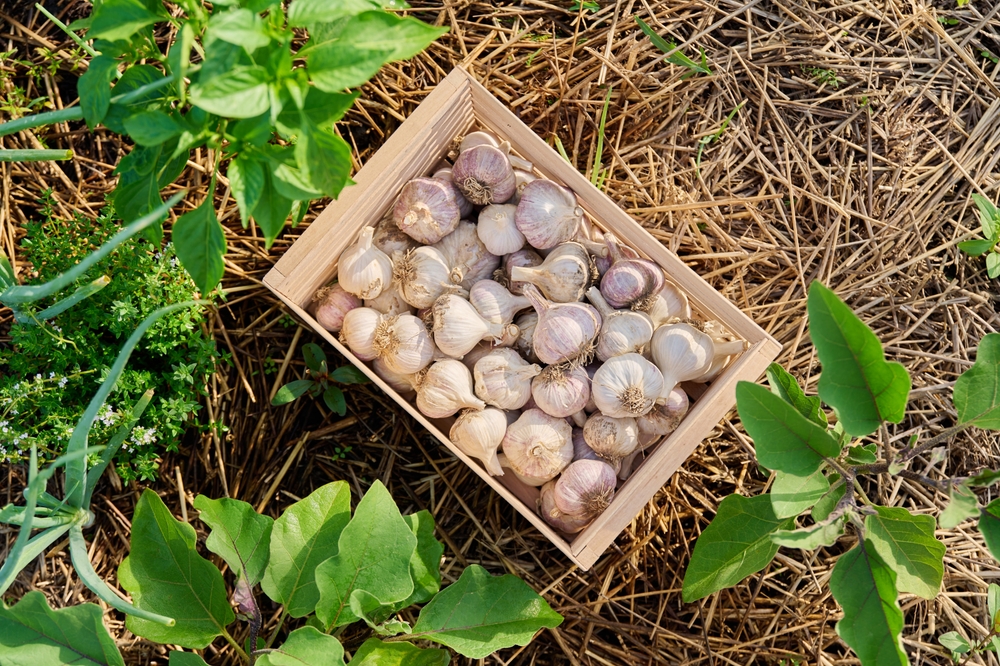
Garlic harvest day feels like a small victory lap in the garden. Those underground bulbs spent months quietly developing, and now the garden bed suddenly has an empty spot waiting for its next assignment. Knowing what to do after pulling garlic helps gardeners protect soil quality, reduce pests, and keep the garden productive long after the last clove leaves the ground.
A garlic bed does not need a summer vacation with a tiny “do not disturb” sign hanging over it. With a few smart steps, that same space can support new crops, improve soil structure, and prepare for another successful growing season. The secret comes down to cleanup, replenishing nutrients, and making thoughtful planting choices.
Clear the Garlic Leftovers and Inspect the Garden Bed
Start by removing garlic leaves, stalks, and any leftover bulbs that missed the harvest. Healthy plant scraps can join the compost pile, but gardeners should toss any garlic material that shows signs of disease, such as unusual soft spots, mold, or dark lesions. Keeping questionable debris away from compost helps prevent future problems from returning to the garden.
Once the bed looks tidy, take a close look at the soil surface and nearby plants. Garlic often grows in the garden during cooler months, so weeds may sneak in while gardeners focus on the bulbs underground. Pull weeds before they produce seeds, because one small cleanup session now can prevent a much larger battle later.
Gardeners should also loosen compacted areas with a garden fork instead of aggressively turning the entire bed upside down. Garlic roots spend months improving soil structure, and unnecessary digging can disturb the helpful organisms living below the surface. A gentle touch keeps the garden ready for its next chapter.
Feed the Soil After Garlic Takes Its Nutrients
Garlic uses nutrients throughout its long growing season, especially as bulbs expand during spring and early summer. After harvest, gardeners should refresh the bed with compost, aged manure, or another organic amendment that adds nutrients and improves soil texture. A thin layer worked into the top few inches of soil often gives the next crop a helpful boost.
This step also gives gardeners a chance to check moisture levels and soil condition. If the dirt feels dry and crumbly like a forgotten flowerpot, organic matter can help it hold water more effectively. If the soil feels heavy and sticky, compost can improve drainage and create a friendlier environment for roots.
Fresh manure deserves caution because it can burn plants and introduce unwanted problems when gardeners add it too soon. Aged compost offers a safer option for most home gardens and works like a slow-release pantry for future plants. The garlic may have left the stage, but the soil still deserves a little attention before the next performance.
Choose the Right Crops for A Post-Garlic Garden
The empty garlic bed creates a great opportunity for a second-season crop. Gardeners often follow garlic with vegetables that enjoy warm weather, including beans, cucumbers, squash, and leafy greens. The timing works especially well because garlic harvest often arrives when summer planting still has plenty of room to succeed.
Crop rotation also plays an important role after garlic. Planting the same family of crops in the same location year after year may encourage certain pests and diseases to settle in. Moving crops around the garden gives the soil a break and creates a more balanced growing environment.
Gardeners should avoid planting onions, shallots, or more garlic immediately in the same spot when possible because these crops share many characteristics. Related plants often use similar nutrients and may attract similar challenges. A little planning with a garden map or notebook can prevent accidental repeats.
Some gardeners even use the post-garlic period for cover crops such as clover or buckwheat. These plants help protect bare soil, add organic material, and give the garden a living layer instead of leaving the bed empty. A former garlic patch can become one of the busiest corners of the yard.
Turn a Finished Garlic Patch Into Next Year’s Success
A harvested garlic bed marks the end of one growing cycle, but it also starts the preparation for future harvests. Gardeners who clean carefully, rebuild nutrients, and choose smart follow-up crops often create stronger beds over time. The work after harvest matters just as much as the work before planting.
The best garlic growers know that the final harvest is not really the finish line. It is a reminder that healthy gardens depend on what happens between crops. With the right care, an empty garlic bed quickly becomes a launchpad for the next round of garden success.
What do you usually plant after harvesting garlic, or do you let the bed rest for a season? Share your favorite post-garlic gardening tricks in the comments.
You May Also Like…
The Surprising Reason Your Garlic Isn’t Sprouting—And What to Do Before February
The Garlic Planting Trick Most Gardeners Don’t Know
Why Garlic and Shallots Thrive When Planted Now
5 Vegetables That Can Handle a Shadier Summer Corner
Can Shade-Loving Edibles Lower Your Garden’s Water Needs?

Brandon Marcus is a staff writer for FrugalGardening.com at District Media, Inc., where he delivers practical gardening advice with a relatable, no-nonsense style. An avid amateur gardener, he holds a BA degree and with over ten years of professional writing experience, he is also an award-winning published author whose first book, Questions For Deep Thinkers, was released by Adams Media. His work has appeared in major publications including Fandom.com, CHUD.com, TheColdWire.com, and Fansided.com.
Leave a Reply