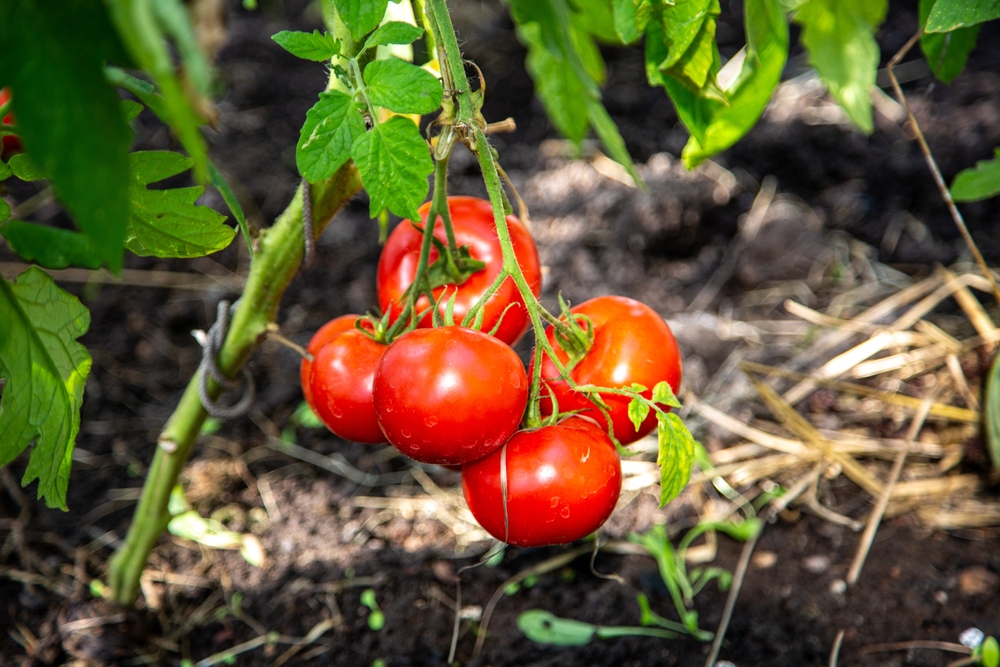
Tomato suckers often look like little troublemakers stealing energy from the main plant, but those tiny shoots can become valuable garden helpers. Instead of tossing them into the compost pile, gardeners can turn many tomato suckers into new plants, extra harvests, or nutrient-rich compost.
The next time a tomato plant sprouts a sucker between a branch and the main stem, take a closer look before grabbing the pruning shears. That small green shoot can create a second chance for more tomatoes, a backup plant, or a clever way to stretch the garden budget.
Tomato Suckers Can Become Brand-New Tomato Plants
Tomato suckers make excellent candidates for propagation because they already contain the plant’s growing power. Gardeners can snip a healthy sucker, remove the lower leaves, and place the stem in water or moist soil. Within a couple of weeks, many tomato varieties develop roots from those cuttings and create a new plant ready for the garden. This trick works especially well with vigorous indeterminate tomatoes that continue producing new growth throughout the season.
The best suckers for propagation usually measure a few inches long and look sturdy, green, and healthy. A soft, pale shoot that struggles to stand upright may not have enough strength to become a strong plant. Gardeners should use clean scissors or pruners when cutting suckers to reduce the chance of spreading disease. After planting the rooted sucker, keep the soil consistently moist while the new tomato plant settles into its space. This simple method can turn routine pruning into a free supply of tomato plants for containers, garden beds, or gifts for fellow gardeners.
Some Tomato Suckers Make Great Garden Insurance Plants
A new tomato plant from a sucker can serve as a backup when weather, pests, or accidents damage an original plant. A sudden storm can snap a favorite tomato stem, and a replacement plant can help fill the empty spot without another trip to the garden center. Gardeners who grow heirloom varieties especially appreciate this technique because it helps preserve specific plants with unique flavors and characteristics. A healthy sucker from a beloved tomato plant carries the same genetic traits as the parent plant.
Timing matters when using suckers as insurance plants. Early-season suckers have more time to grow large and produce tomatoes before colder weather arrives. Late-season cuttings can still work, but gardeners may need to move them into containers or protected spaces if temperatures drop. A few extra plants tucked into pots can provide flexibility when the garden throws a surprise challenge. Tomato suckers may look like clutter, but they can act like a small safety net hiding among the leaves.
Composting Tomato Suckers Still Gives Them Value
Not every tomato sucker deserves a new home, and composting remains a smart choice for many gardeners. Weak, damaged, or diseased suckers should skip the propagation process and head toward proper disposal or a well-managed compost pile. Healthy plant material breaks down into organic matter that improves garden soil over time. Composting gives those unwanted shoots another job instead of sending useful nutrients away.
Gardeners should avoid adding tomato plant material with signs of serious disease to compost piles that do not reach high temperatures. Issues such as blight can spread when infected plant debris returns to the garden too quickly. Healthy suckers, leaves, and stems can join other compost materials like vegetable scraps, grass clippings, and fallen leaves. A balanced compost pile needs a mix of green materials and brown materials to create good conditions for decomposition. Even the tomato parts that cannot become new plants can still contribute something valuable to the garden.
Smart Pruning Helps Tomato Plants Produce Better Results
Removing tomato suckers does not follow a one-size-fits-all rule because different tomato varieties grow in different ways. Indeterminate tomatoes often benefit from regular sucker management because they keep producing long vines throughout the season. Determinate tomatoes grow with a more compact habit and usually need less pruning because their growth pattern already limits their size. Removing too many leaves or shoots can reduce the plant’s ability to capture sunlight and support fruit production.
A thoughtful gardener looks at the entire plant before making cuts. A crowded tomato plant with poor airflow may benefit from removing some suckers, while a healthy, spacious plant may keep a few extra stems. Gardeners should avoid aggressive pruning during hot, stressful weather because plants need their leaves for shade and energy production. The goal involves balance, not creating a perfectly bare tomato skeleton. Good pruning helps tomatoes stay manageable while leaving enough foliage to support a strong harvest.
Turn Tomato Suckers Into Garden Gold Instead of Waste
Tomato suckers offer more possibilities than many gardeners realize, and each one can serve a purpose. Some become new tomato plants, some become compost ingredients, and others simply help gardeners make better pruning decisions. The smartest approach involves examining each sucker and choosing the option that fits the garden’s needs. A little patience can transform a small cutting into a productive part of the growing season.
The next time tomato plants sprout those familiar little shoots, think twice before tossing them aside. A few minutes with a pair of clean pruners can create extra plants or valuable compost material. Tomato gardening often rewards curiosity, experimentation, and a willingness to reuse what the garden provides. Those tiny suckers may end up becoming some of the most useful pieces of the plant.
What do you usually do with tomato suckers from your garden, and have you ever tried growing a new plant from one? We want your experience and story in our comments section.
You May Also Like…
Why Do Tomatoes Develop Yellow Shoulders Near the Stem?
Can Tabletop Tomatoes Produce Enough Fruit to Be Worth the Space?
Year of the Tomato: New Blight‑Resistant Varieties Offer High Yields in Cool, Wet Climates
7 Things That Secretly Stress Tomato Plants
Why Your Tomatoes Look Healthy But Produce Almost No Fruit

Brandon Marcus is a staff writer for FrugalGardening.com at District Media, Inc., where he delivers practical gardening advice with a relatable, no-nonsense style. An avid amateur gardener, he holds a BA degree and with over ten years of professional writing experience, he is also an award-winning published author whose first book, Questions For Deep Thinkers, was released by Adams Media. His work has appeared in major publications including Fandom.com, CHUD.com, TheColdWire.com, and Fansided.com.
Leave a Reply