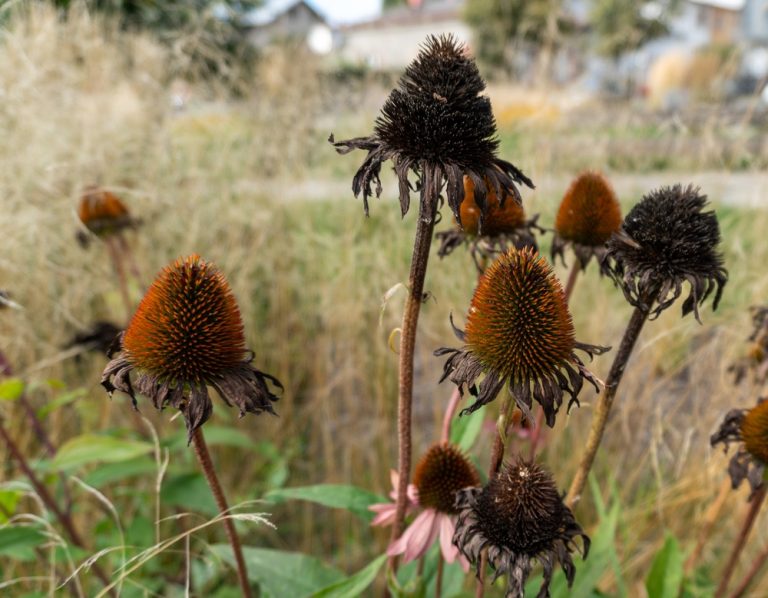
The flower may look finished, but the gardening value might not be finished at all. Those crispy brown flower heads hanging from your plants can contain perfectly good seeds that you can collect, store, and use to grow another round of flowers next year without buying another packet. Seed saving turns one season of flowers…
seed-saving
9 Seeds Worth Saving From Your Garden Before the Season Ends
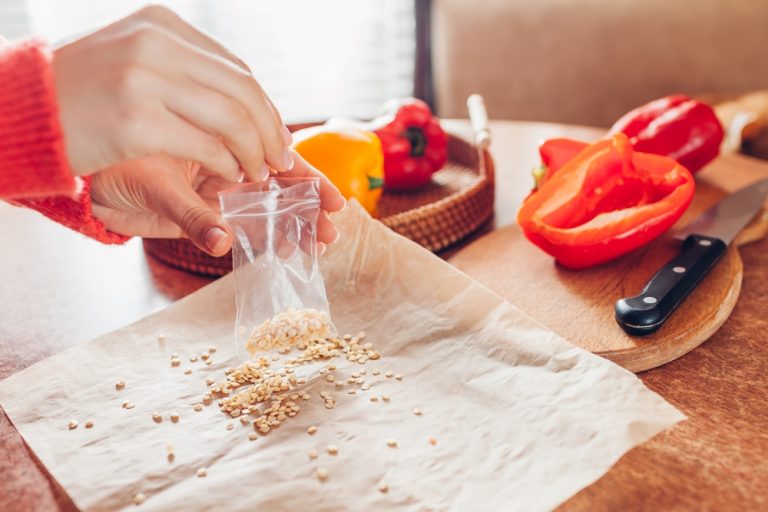
Garden season may be winding down, but some of its best souvenirs hide inside the vegetables and flowers already growing outside. Saving seeds lets gardeners carry favorite varieties into another growing season, and it can turn one especially delicious tomato, sturdy bean plant, or gorgeous flower into next year’s starting lineup. Not every seed deserves…
You Could Start Next Year’s Garden Now Without Spending Much at All

Next year’s garden can start long before the first seed packet hits the shopping cart. In fact, some of the best preparation happens when this year’s garden still has plenty going on, because fall offers free materials, mature seeds, fallen leaves, fading plants, and plenty of opportunities to set up a better growing season without…
Those Dead Summer Plants May Still Have Value Before They Reach the Trash

A brown tomato plant, crispy basil, or collapsed annual flower can look like garden garbage, but the end of a plant’s season does not necessarily mean the end of its usefulness. Before those tired stems land in a trash bag, gardeners can often turn them into compost, save their seeds, create habitat, or return valuable…
Should You Save Seeds From Grocery Store Produce? Sometimes It Works, Sometimes It Doesn’t
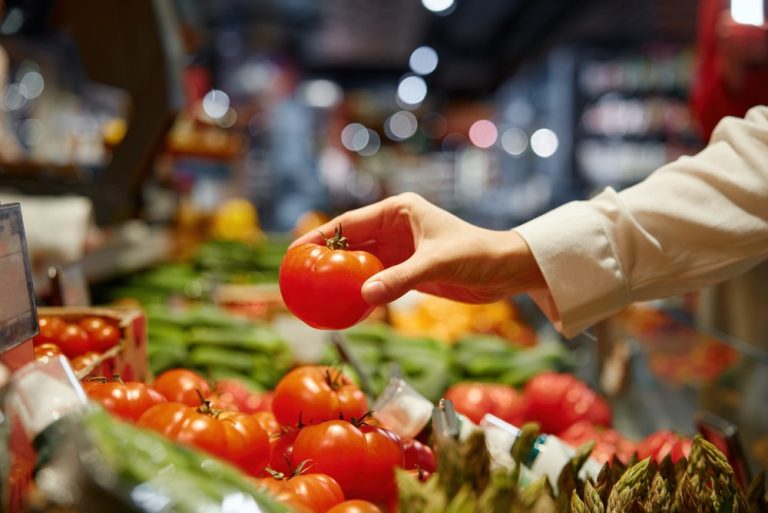
That tomato from the grocery store could become next summer’s tomato plant, but it could also become a very elaborate science experiment with leaves and no decent fruit. Grocery store produce sometimes contains perfectly viable seeds, yet the seed’s ability to grow tells only part of the story. The bigger question involves what kind of…
9 Things Gardeners Should Never Throw Away at the End of Summer
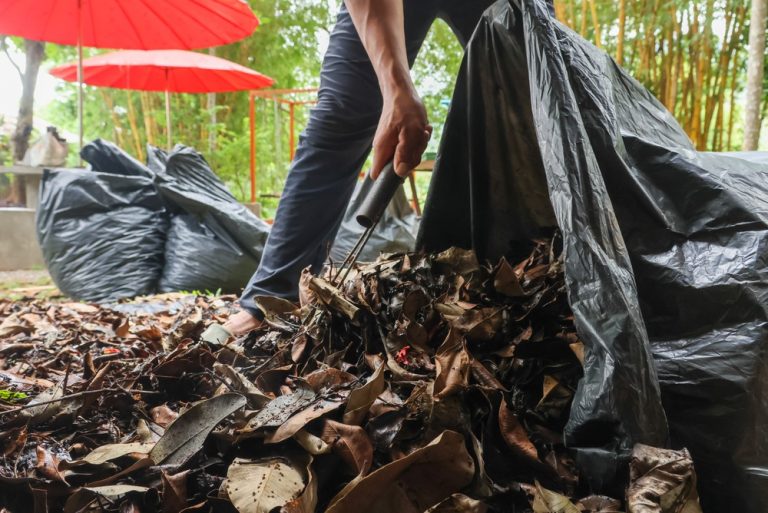
The end of summer can make a garden look like it has nothing left to offer. Spent plants, half-used seed packets, empty nursery pots, piles of leaves, and crooked tomato stakes can quickly resemble a collection of gardening junk, but much of that “junk” still has a job to do. A little sorting can save…
6 Ways to Stretch a Small Garden Budget Into Fall
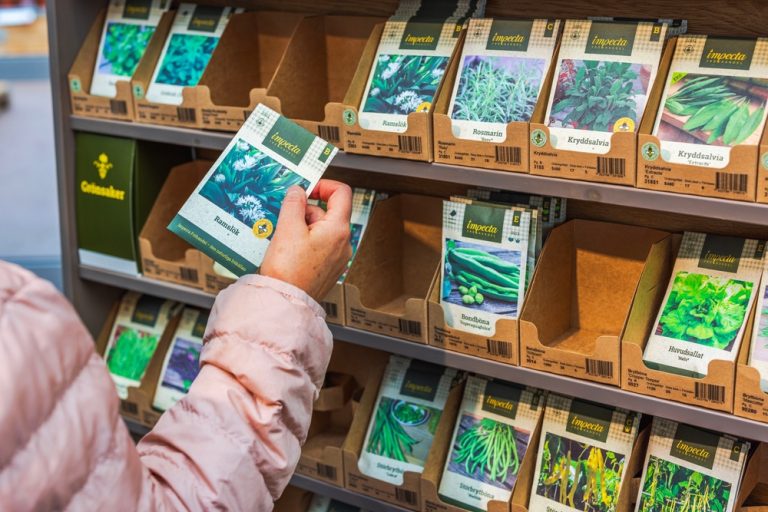
A garden budget can disappear surprisingly fast. A few seed packets here, a bag of potting mix there, then suddenly a perfectly innocent trip to the garden center has turned into a receipt that deserves its own zip code. Fall gardening does not have to work that way, though, because the garden already contains plenty…
6 Ways to Save Seeds Without Ruining Next Year’s Germination
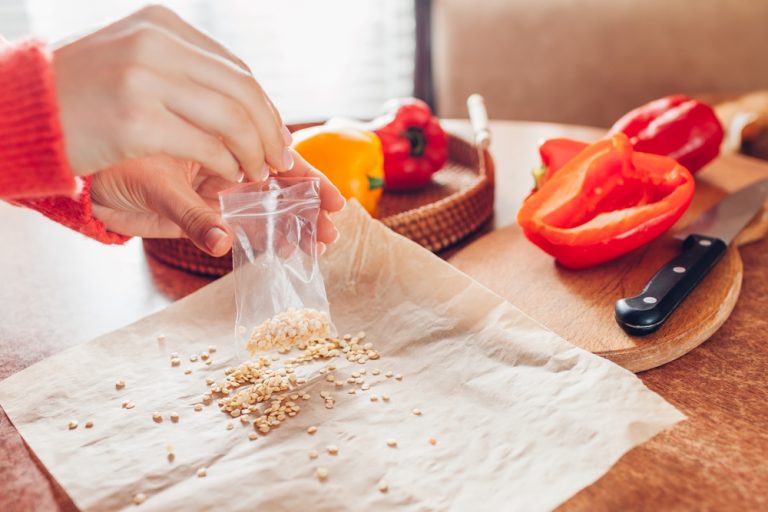
Saving seeds sounds wonderfully simple: let a plant make seeds, scoop them up, put them somewhere safe, and plant them next year. Unfortunately, seeds can act like tiny divas when gardeners give them the wrong treatment, especially when moisture, heat, immature seeds, or poor storage enter the picture. A little care at harvest time can…
Can You Use Old Window Screens to Dry Garden Seeds?
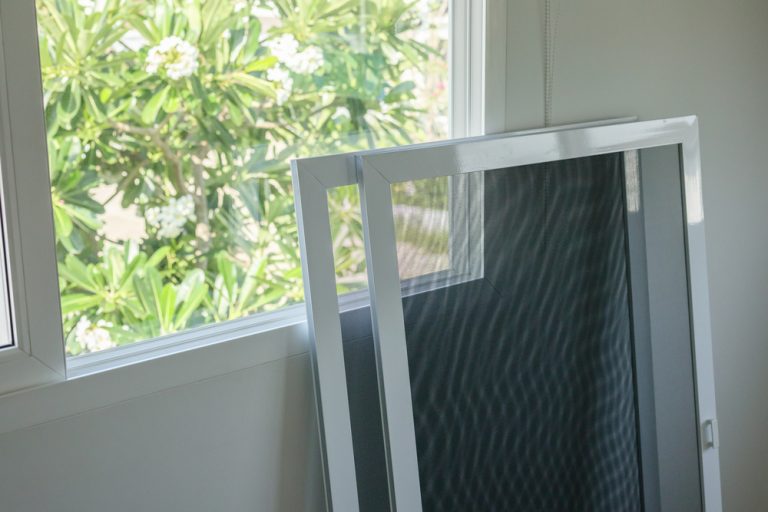
An old window screen can become a surprisingly useful seed-drying rack. Instead of spreading seeds across a plate, paper towel, or cookie sheet where moisture can linger underneath, a clean screen lets air move around the seeds from multiple directions. That simple bit of airflow makes the humble window screen a clever piece of garden…
7 Frugal Garden Projects to Finish Before Daylight Shrinks
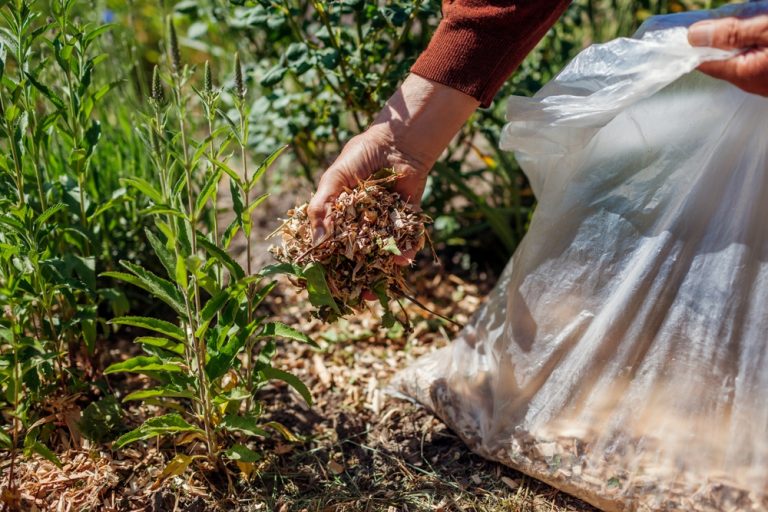
Summer has a sneaky way of making the garden feel endless. Then one afternoon arrives when dinner somehow needs to happen before the sun disappears, and suddenly every unfinished garden chore starts waving from across the yard. Thankfully, several worthwhile projects cost little or nothing, and finishing them now can make next season easier, cheaper,…