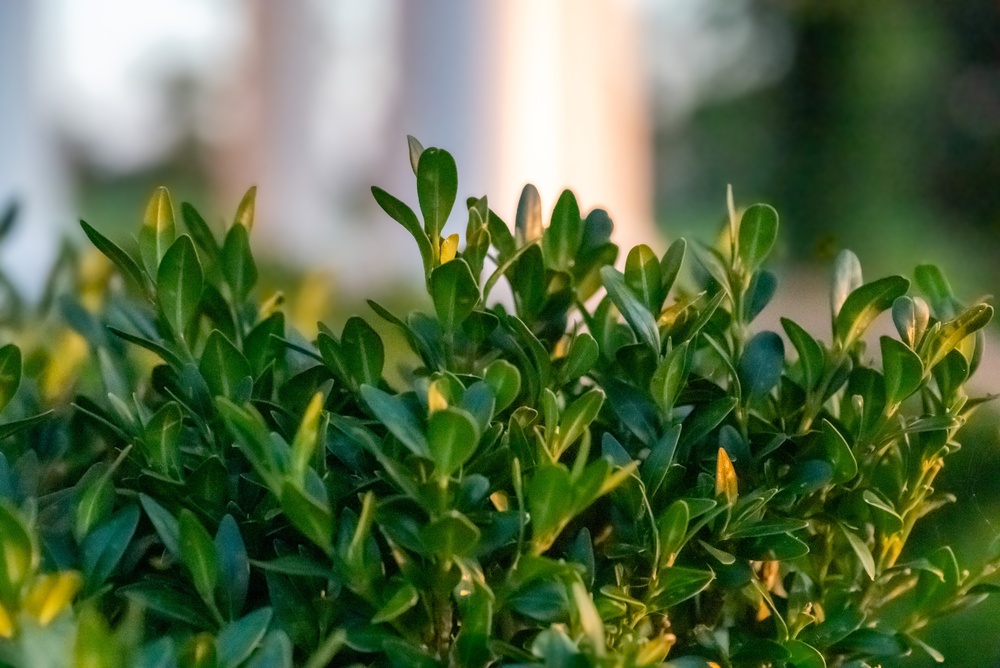
Your boxwoods may look perfectly healthy in October, but by February, those beautiful green shrubs could be covered in ugly brown and bronze patches. It’s a frustrating sight, especially when you’ve spent years growing a neatly trimmed hedge or invested money in landscaping around your home.
The culprit is often winter burn, a common problem that affects broadleaf evergreens when cold weather, drying winds, and winter sunshine combine.
According to Iowa State University Extension, boxwoods can lose moisture through their leaves during winter, even when frozen soil prevents their roots from replacing that water.
Fortunately, protecting boxwoods from winter burn doesn’t require expensive landscaping products or complicated treatments.
A few preventative steps during fall can make a meaningful difference in how your shrubs look when spring arrives.
Why Boxwoods Turn Brown During Winter
Boxwoods are broadleaf evergreens, meaning they retain their foliage throughout the year instead of dropping their leaves in autumn. However, those leaves continue losing moisture during winter, particularly when exposed to strong winds and bright sunshine. According to the University of Maryland Extension, winter burn occurs when foliage loses water faster than the roots can replace it, especially when moisture in the soil is frozen. The damage often appears as bronze, orange, or reddish-brown discoloration on exposed leaves, particularly along the south and southwest sides of shrubs. Understanding this process is the first step toward protecting boxwoods from winter burn because it explains why watering and shelter are often more important than simply covering plants when temperatures drop.
Deep Watering Before the Ground Freezes Is Essential
One of the simplest ways to prevent winter damage is making sure boxwoods enter the cold season with adequate soil moisture. It is recommended that you deeply water susceptible evergreens during dry periods in autumn and continue as needed until the ground freezes. Instead of briefly spraying the foliage, apply water slowly around the root zone so moisture can penetrate the soil where the roots grow. Check the soil several inches below the surface before watering because heavy rainfall may already have provided enough moisture, and soggy conditions can encourage root problems. Newly planted boxwoods deserve particular attention because their developing root systems make them more vulnerable to drought stress and winter injury.
A Simple Burlap Windbreak Can Protect Exposed Shrubs
If your boxwoods grow along an open driveway, near a windy corner, or on the sunny side of your house, a temporary windbreak may help prevent damage. The University of Minnesota Extension recommends using burlap or similar materials to create barriers on the south, southwest, and windward sides of vulnerable evergreens. Homeowners can install several wooden stakes around exposed shrubs and attach burlap to create a protective screen without placing the material directly against the foliage. This approach reduces exposure to drying winds and intense winter sunlight while allowing air to circulate around the plants. For protecting boxwoods from winter burn, a reusable burlap screen can be a practical investment that costs less than replacing damaged landscaping.
Mulch Helps, but Too Much Can Cause Problems
A protective layer of mulch can help maintain more consistent soil moisture and reduce temperature fluctuations around shallow boxwood roots. However, boxwoods don’t necessarily benefit from the thick mulch layers commonly recommended for larger trees and some other shrubs. Don’t apply more than approximately one inch of mulch over the boxwood root zone because excessive material can interfere with root health. Keep mulch several inches away from the main stems rather than piling it against the base of the shrub, which can encourage moisture-related problems and unwanted root growth. Shredded bark or wood chips can work well, but avoid creating a mulch volcano that traps moisture against the plant and potentially causes more damage than winter weather itself.
Avoid Heavy Pruning and Fertilizing Late in Fall
It may be tempting to give your boxwood hedge one final aggressive trimming before winter, especially if branches have grown beyond their usual shape. However, late-season pruning can encourage tender new growth that may not have enough time to harden before freezing temperatures arrive. Avoiding late-season pruning of evergreens is recommended because newly stimulated growth can be particularly susceptible to winter injury. Applying unnecessary nitrogen fertilizer late in the growing season can create similar problems by encouraging growth when plants should be preparing for dormancy. Unless you’re removing damaged or hazardous branches, postponing major shaping and avoiding unnecessary fertilizer applications are sensible steps toward protecting boxwoods from winter burn.
Don’t Assume Anti-Desiccant Sprays Are a Guaranteed Fix
Garden centers sometimes sell anti-desiccant sprays marketed as products that help evergreens retain moisture during winter. These treatments generally create a temporary coating on leaves intended to reduce water loss, but their effectiveness can vary depending on the product, weather, and plant conditions. Don’t rely on anti-desiccant sprays because research has not consistently demonstrated effective protection against winter injury. Before spending money on these products, focus on proven basics such as appropriate watering, wind protection, and selecting suitable planting locations. For homeowners trying to save money, a properly installed burlap screen and good fall maintenance may be more worthwhile than purchasing treatments that cannot guarantee protection.
Watch Out for Road Salt and Heavy Snow
Winter burn isn’t the only reason boxwoods may develop brown leaves or damaged branches during colder months. Road salt and deicing chemicals can injure shrubs growing near sidewalks, driveways, and streets, while heavy snow or ice can bend and break branches. It’s best to protect boxwoods from winter wind exposure and support vulnerable upright shrubs when heavy snow or ice threatens their structure. Avoid piling shoveled snow containing road salt onto boxwood hedges, and consider placing temporary barriers between vulnerable plants and areas where deicing products are used. When possible, gently brush loose snow from branches rather than striking frozen stems or attempting to remove firmly attached ice.
What to Do if Your Boxwoods Already Have Winter Burn
Even with careful preparation, unusually harsh winter conditions can sometimes damage otherwise healthy boxwoods. If your shrubs develop brown or bronze foliage, don’t immediately assume the entire plant is dead or rush to replace it. Healthy boxwoods can sometimes recover from winter injury, although severely damaged branches may require pruning back to living wood. Wait until spring growth begins before deciding how much to remove, since surviving buds may produce new foliage even when older leaves appear damaged. Keep in mind that boxwood blight, root rot, and other diseases can resemble winter injury, so widespread dieback or unusual leaf spotting may warrant help from your local cooperative extension office.
Protect Your Landscaping Investment Before Winter Arrives
Protecting boxwoods from winter burn is usually easier and less expensive than trying to restore severely damaged shrubs after months of harsh weather. A little attention to soil moisture, mulch depth, wind exposure, and seasonal pruning can help reduce the risk of preventable winter damage. Homeowners with newly planted boxwoods or shrubs exposed to intense winter sunshine should be particularly careful about preparing their plants before freezing temperatures arrive. Although no winter protection method can eliminate every risk, these practical steps can help preserve healthy foliage and reduce the likelihood of costly replacements.
Have your boxwoods ever turned brown after winter, and what methods have you tried to protect them from cold weather damage? Share your experiences in the comments.
What to Read Next
How to Use Aged Manure Without Burning Plant Roots
5 Plants You Should Never Burn in a Backyard Fire
Never Burn This Plant When Cleaning Up the Yard — Even If It Looks Dead
Leave a Reply