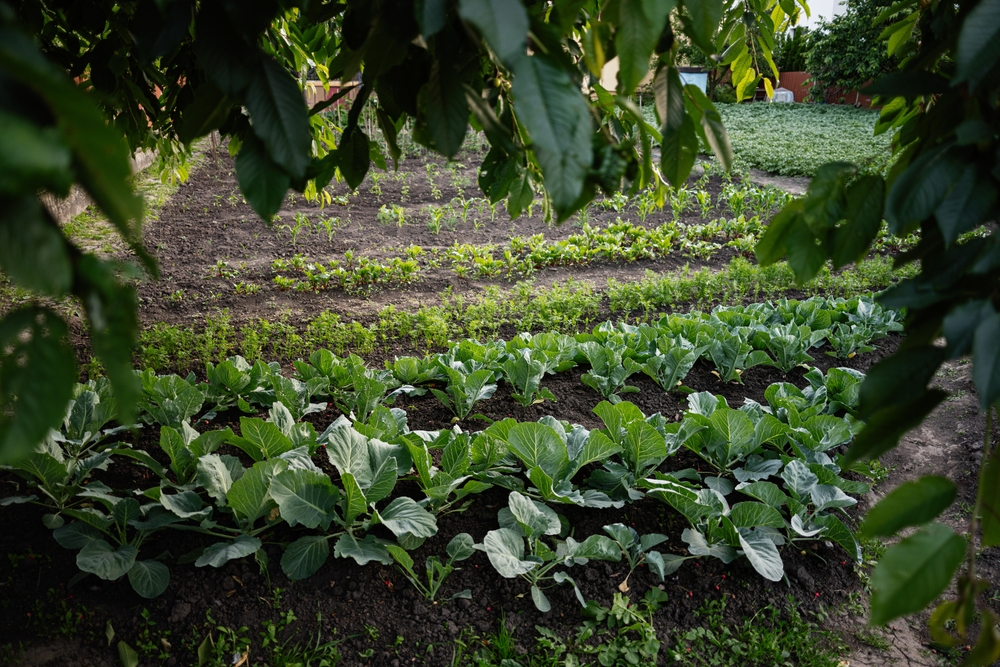
Shade-loving edibles can lower your garden’s water needs, especially when summer heat turns a sunny vegetable patch into a thirsty little drama queen. Cooler soil loses less moisture to evaporation, and crops such as lettuce, spinach, kale, mustard greens, and other leafy vegetables can handle partial shade far better than tomatoes, peppers, melons, and squash.
That does not mean shade magically eliminates watering. A garden beneath a giant tree can actually become surprisingly dry because the tree competes for moisture, while a shady corner beneath a roof overhang may receive almost no rain at all. The real water-saving opportunity comes from matching the right edible plants to the right kind of shade, then pairing them with soil and watering practices that keep moisture where roots can use it.
Shade Can Slow Water Loss, But Location Still Matters
A shady garden often holds moisture longer because cooler soil and reduced sunlight slow evaporation. That gives leafy crops a useful break from the midday blast furnace, particularly during hot weather when lettuce and spinach can struggle with heat and dry conditions. Partial shade can also create a gentler growing environment for crops grown mainly for leaves, stems, or buds.
The catch involves the source of the shade. A spot under a mature tree may look perfect for greens, yet tree roots can pull substantial moisture from the same soil, creating competition below ground. A garden beside a building may experience “dry shade” because the roof blocks rainfall, so the plants still need regular irrigation despite receiving little direct sun. Before planting, watch the area after a rainstorm and check the soil a few inches down rather than judging moisture by the appearance of the leaves alone.
Leafy Greens Make Excellent Water-Smart Candidates
Leafy greens generally make the strongest case for a shade-and-water strategy because they do not need the same intense sunlight required by fruiting crops. Lettuce, kale, spinach, chard, mustard greens, arugula, endive, and similar crops can grow in partial shade or filtered light, depending on the variety and local conditions. Crops such as broccoli, cauliflower, kohlrabi, radishes, turnips, peas, and beets can also tolerate less-than-full-sun conditions in suitable garden locations.
The biggest benefit appears during hot stretches, when shade can help slow moisture loss and reduce heat stress. However, leafy greens still need consistent moisture, and drought can make lettuce tough, encourage bolting, or contribute to unpleasant flavors. Kale and other greens can also develop stronger, more bitter flavors when plants face excessive heat or struggle to take up enough water, so a cooler location helps, but regular soil moisture still matters.
Smart Soil Management Makes the Water Savings Bigger
Planting shade-tolerant edibles represents only half the water-saving equation. Soil that holds moisture without staying soggy gives roots a much better supply between waterings, while organic matter can improve the way many garden soils retain and release water. A thick layer of organic mulch also slows evaporation, moderates soil temperature, and helps keep moisture near the root zone instead of letting it disappear into the afternoon air.
Mulch works best when gardeners keep it away from direct contact with plant stems and avoid piling it into a damp, compacted blanket. A simple soil check often beats a rigid watering schedule: dig down a couple of inches and see whether the soil remains moist below the surface. Sandy soil may need more frequent watering, while heavier or organic-rich soil can hold moisture longer, so the calendar should never get the final vote.
Do Not Assume Every Shady Edible Needs Less Water
One of the easiest gardening mistakes involves confusing shade with drought tolerance. A plant may lose water more slowly in shade while still needing steady moisture for tender leaves, roots, or developing crops. Lettuce, spinach, kale, chard, and several other greens can suffer when the soil swings from bone-dry to saturated, which can affect texture, flavor, and growth.
Watering technique matters just as much as plant selection. Apply water slowly at the base of plants so it soaks into the root zone rather than running across the soil, and use drip irrigation or a soaker hose when practical. Morning watering generally gives foliage time to dry, but a severely wilted plant needs water rather than a lecture about perfect timing.
Build a Garden That Uses Shade as a Tool
The most effective approach combines different light levels instead of trying to force every crop into the sunniest possible spot. Reserve the brightest locations for tomatoes, peppers, melons, and squash, which produce fruit and generally need more sunlight, while placing leafy greens and other shade-tolerant edibles where filtered light or partial shade can take the edge off summer heat. That simple arrangement can make better use of awkward garden corners while reducing some moisture loss.
A shady edible garden still needs observation, especially during the first season. Check how quickly the soil dries, notice whether tree roots compete with your crops, and watch for slugs or disease in areas that stay cool and damp for long periods. The best water-saving garden does not rely on one miracle crop or one clever gadget, but on matching plants to light, improving the soil, mulching thoughtfully, and watering according to actual conditions rather than habit.
The Cool-Spot Strategy Can Put Water Savings on Your Side
Shade-loving edibles can reduce water loss because cooler conditions often slow evaporation, but the savings depend on the entire garden setup. Choose leafy crops and other edibles suited to partial shade, avoid assuming that every shady location stays moist, and check the soil before reaching for the hose. Add mulch, improve moisture-holding soil, and water deeply enough to reach the root zone without creating soggy conditions. In short, shade can become a useful water-management tool, but smart plant placement remains the real secret sauce.
Which shade-loving edible has performed best in your garden, and have you noticed a difference in how often you need to water it?
You May Also Like…
How to Build a Low-Cost Shade Setup for July Vegetables
7 Fast-Growing Flowers That Can Fill Empty Summer Gaps
Why Are Gardeners Moving Houseplants Outdoors for the Summer?
Year of the Tomato: New Blight‑Resistant Varieties Offer High Yields in Cool, Wet Climates
7 Dry-Climate Selections That Thrive With Minimal Water

Brandon Marcus is a staff writer for FrugalGardening.com at District Media, Inc., where he delivers practical gardening advice with a relatable, no-nonsense style. An avid amateur gardener, he holds a BA degree and with over ten years of professional writing experience, he is also an award-winning published author whose first book, Questions For Deep Thinkers, was released by Adams Media. His work has appeared in major publications including Fandom.com, CHUD.com, TheColdWire.com, and Fansided.com.
Leave a Reply