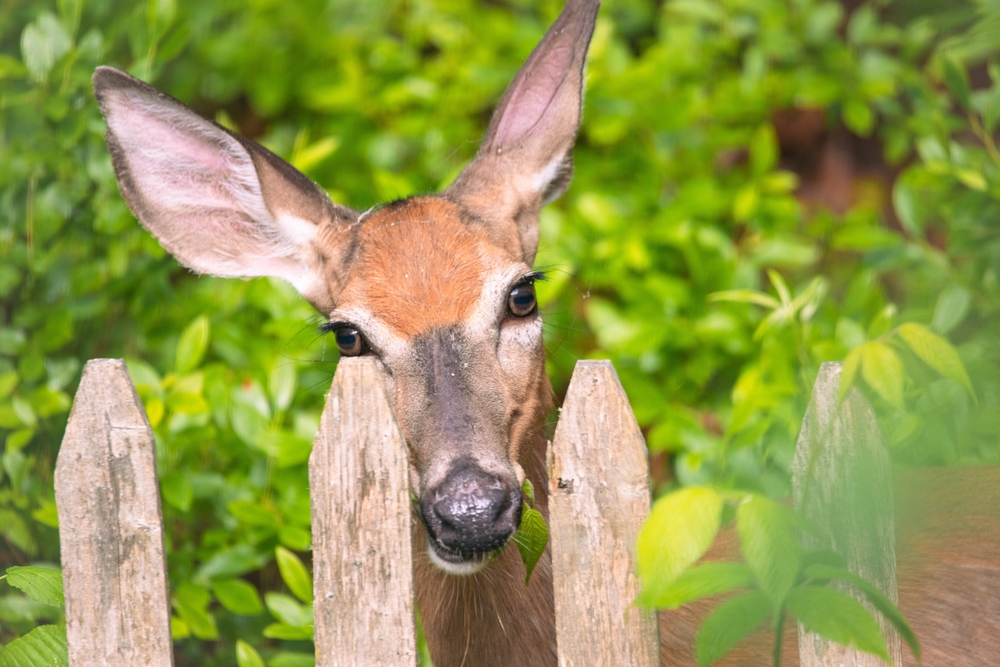
A garden full of ripening tomatoes, beans, peppers, and melons can look like a five-star restaurant to a hungry deer. The frustrating part comes when a gardener checks the garden in the morning and finds half-eaten tomatoes, trampled plants, or a neat row of bean plants that suddenly looks like a salad bar with legs.
Protecting crops does not always require an expensive fence or a complicated gadget. A few inexpensive changes can make the garden less inviting, more confusing, or simply harder to reach, and the best results often come from combining two or three methods instead of relying on one magical deer-repelling trick.
1. Use a Simple Fence, Even If It Looks Modest
A physical barrier remains one of the most dependable ways to keep deer away from vegetables, but a garden fence does not need to look like a fortress. Deer can jump surprisingly well, so a short decorative border will not stop a determined animal, but a temporary fence made from sturdy posts and plastic mesh can protect a smaller crop at a much lower cost than permanent fencing.
Placement matters just as much as the materials. Keep the mesh tight, secure the bottom so deer cannot nose underneath, and inspect the perimeter after storms or heavy wind. A small gap can become an invitation, especially once deer discover a garden full of ripe produce.
2. Try Fishing Line Around Smaller Gardens
Nearly invisible fishing line can create a surprisingly confusing boundary around a small garden. Run several strands around sturdy posts, making the barrier difficult for deer to see clearly before they reach the plants.
This approach works best around compact beds and as part of a broader strategy rather than as a guaranteed solution for every property. Keep the line visible enough for people to notice, especially near walkways, and check it regularly for sagging or damage. The goal involves creating an unexpected obstacle, not setting a trap.
3. Hang Shiny Objects Near Ripening Crops
Old CDs, reflective tape, strips of metallic material, or other lightweight shiny objects can add movement and flashes of light around the garden. Wind keeps the objects moving, which can make a familiar garden edge seem less predictable to passing deer.
This method often works best when gardeners move the objects occasionally instead of leaving them in the same places forever. Wildlife can become accustomed to repeated sights and smells, so rotating several deterrents keeps the garden from becoming too predictable. Think of it as giving the garden a little harmless visual mischief.
4. Make the Garden Smell Less Inviting
Deer rely heavily on their sense of smell, which makes odor-based repellents useful in some gardens. Commercial deer repellents can work, but gardeners can also use inexpensive household materials or strongly scented products designed for garden use, provided the label allows application around edible crops.
The key word here involves consistency. Rain can wash away scent, and a repellent that works for a few days may lose its effect after a storm. Reapply according to the product directions, and never spray an unapproved substance directly on vegetables that people plan to eat.
5. Plant Strongly Scented Herbs Around the Edges
A border of strongly scented plants can make a garden less appealing, especially when gardeners place herbs around the perimeter instead of tucking every plant into the middle of the vegetable bed. Aromatic plants such as rosemary, sage, thyme, and mint can add useful fragrance, although no plant can guarantee complete deer protection.
Mint deserves special caution because it can spread aggressively in garden beds. Growing it in containers keeps the herb from taking over while still allowing gardeners to place the containers near vulnerable crops. This approach also creates a useful kitchen harvest, which is a nice upgrade from simply putting up a sign that says “Please do not eat the tomatoes.”
6. Harvest Just Before Peak Ripeness
A ripe tomato hanging in the garden offers a tempting target, so harvesting slightly before full ripeness can reduce the amount of time a prized crop sits outdoors at maximum temptation. Many tomatoes can finish ripening indoors at room temperature, especially when gardeners pick them once they begin showing their mature color.
The same strategy can work for several other crops, depending on the plant and the desired harvest stage. Pick beans regularly, gather ripe peppers promptly, and bring vulnerable produce indoors when it reaches the right stage for harvesting. A garden that never leaves a fully ripe buffet unattended gives hungry visitors fewer rewards.
7. Use Motion-Activated Sprinklers
A motion-activated sprinkler can deliver one of the most satisfying surprises in the garden without harming the animal. When the sensor detects movement, the device sends out a burst of water that can startle deer and encourage them to choose an easier route.
These devices work best when gardeners position them strategically near the most vulnerable crops and adjust the detection area to avoid wasting water on every passing squirrel. They also require occasional attention because batteries, water connections, and sensor settings can fail. The goal involves making the garden inconvenient enough that deer decide the neighbor’s yard looks more interesting.
8. Combine Deterrents Instead of Betting Everything on One Trick
The most reliable low-cost strategy often involves layering several modest defenses. A small mesh barrier combined with a scent deterrent and prompt harvesting creates more obstacles than any single trick can provide.
Rotate methods when deer begin returning regularly, and pay attention to what actually happens in the garden. If deer ignore shiny objects but avoid a motion sprinkler, put more effort into the method that changes their behavior. Gardening always involves observation, and deer have a particularly irritating way of turning that lesson into a daily field experiment.
Give Ripening Crops a Fighting Chance
Deer control does not require turning a backyard garden into a high-security compound. A few inexpensive barriers, regular harvesting, strategic planting, and changing deterrents can protect a surprising amount of food while keeping the garden practical and pleasant to use.
The biggest mistake involves waiting until deer discover the garden and then relying on one quick fix. Start protecting crops before the tomatoes turn red and the beans hang heavy, then combine methods and adjust when wildlife adapts.
Which low-cost deer deterrent has worked best in your garden, and which one turned out to be a complete flop? Share your experience in the comments.
You May Also Like…
Ways To Have Sustainable Meat Without Slaughtering Animals
8 Cheap Gardening Supplies That Work Better Than Expensive Versions
7 Reasons Small Wildlife Ponds Are Gaining Ground
10 Plants Deer Target More Often in Fall
How to Build a Garden That Keeps Deer Out—Without Fencing

Brandon Marcus is a staff writer for FrugalGardening.com at District Media, Inc., where he delivers practical gardening advice with a relatable, no-nonsense style. An avid amateur gardener, he holds a BA degree and with over ten years of professional writing experience, he is also an award-winning published author whose first book, Questions For Deep Thinkers, was released by Adams Media. His work has appeared in major publications including Fandom.com, CHUD.com, TheColdWire.com, and Fansided.com.
Leave a Reply