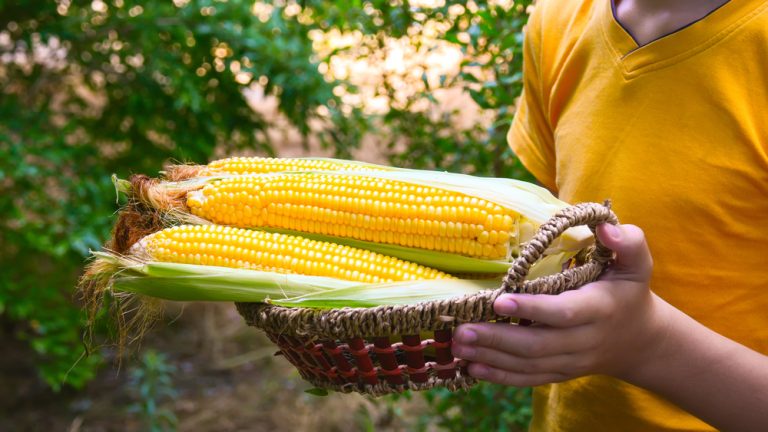
A finished corn patch does not have to become an empty square of dirt waiting for next spring. Once the last ears disappear and the stalks come down, that sunny space can host another round of useful crops that love the leftover garden conditions. Gardeners often focus so much on growing corn that they forget…
crop rotation
What Should You Do With Garlic Beds After Harvest?
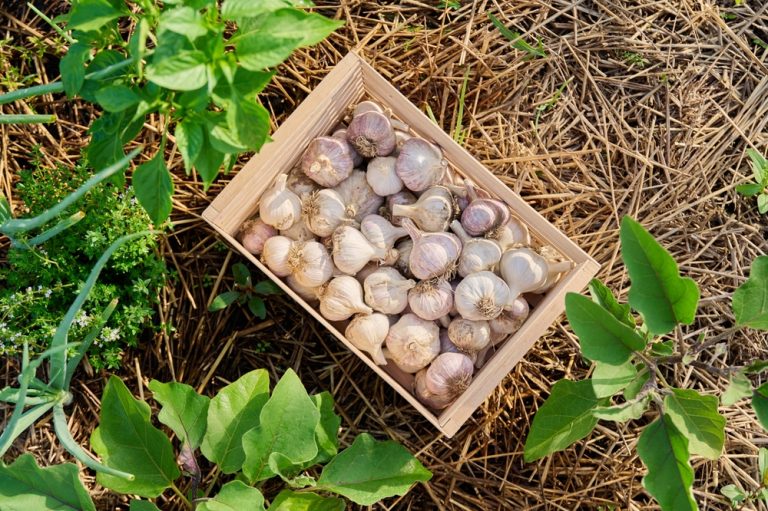
Garlic harvest day feels like a small victory lap in the garden. Those underground bulbs spent months quietly developing, and now the garden bed suddenly has an empty spot waiting for its next assignment. Knowing what to do after pulling garlic helps gardeners protect soil quality, reduce pests, and keep the garden productive long after…
7 Garden Crops That Benefit From a Second Sowing
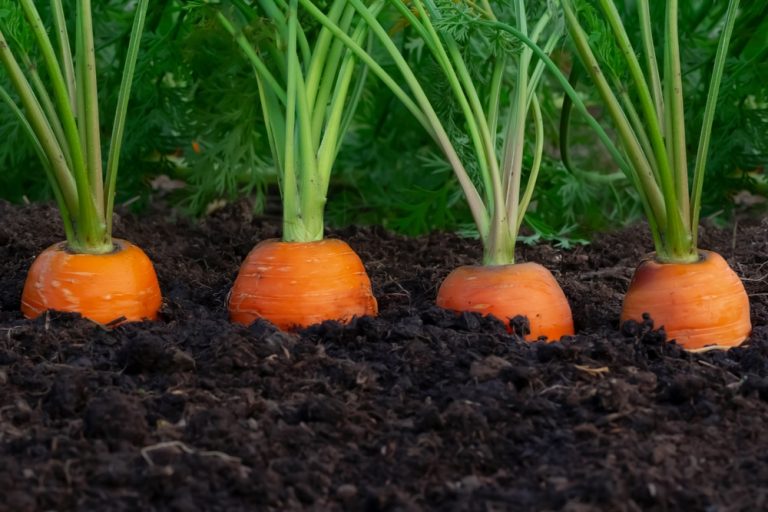
The first harvest often steals the spotlight, but a second sowing can turn an ordinary garden into a productive powerhouse. Many popular vegetables and herbs actually perform better when gardeners plant another round after the first crop starts producing or finishes its run. That simple habit keeps fresh food coming instead of leaving empty patches…
5 Disease Prevention Tips That Actually Work
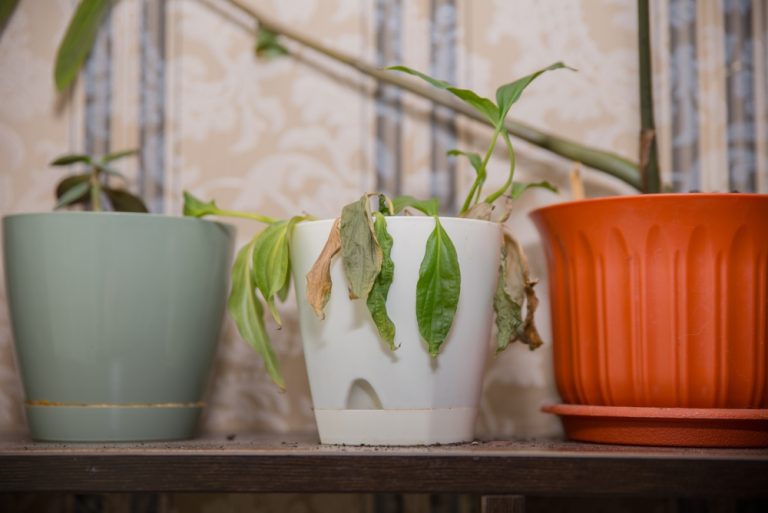
Gardening brings joy, fresh food, and a surprising amount of drama when diseases sneak into the picture. One week the tomatoes look perfect, and the next week, strange spots, wilting leaves, or powdery coatings start spreading like wildfire. Many gardeners lose plants not because they lack effort, but because they miss simple prevention habits that…
Low-Cost Cover Crops That Improve Soil Without Extra Work

Stop throwing money at soil problems that fix themselves for free. Healthy soil does not demand expensive inputs, complicated routines, or endless hours of work. It thrives when it gets the right kind of help at the right time, and cover crops deliver exactly that without turning gardening into a second full-time job. Picture a…
Which Plant Pairings Naturally Reduce Pests and Improve Yields
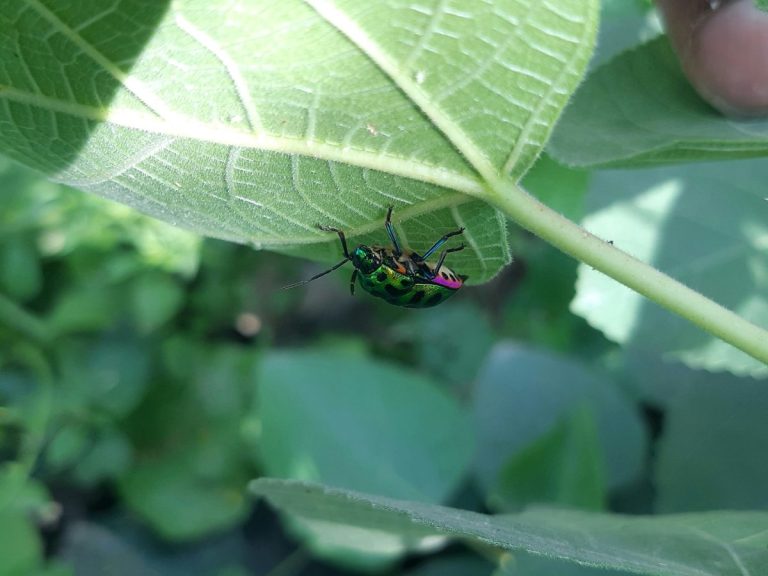
Gardens buzz with life, but not all visitors are welcome. Some nibble leaves, suck juices, and generally wreak havoc, turning a lush patch of greens into a battlefield. Instead of reaching for chemical sprays, gardeners can harness the natural power of plant partnerships. Certain plant duos can repel pests, attract beneficial insects, and even boost…
Why Tilling Is Secretly Destroying Your Soil Health In 2026
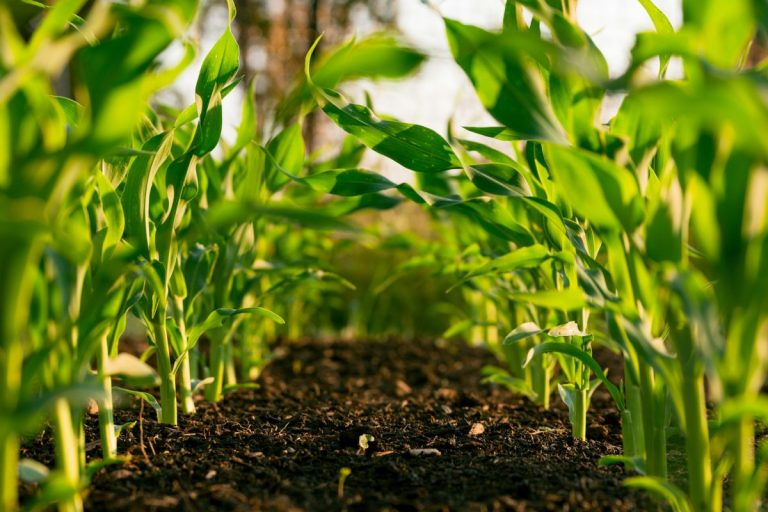
You’ve been taught that turning over your soil prepares the perfect bed for planting. It feels natural, satisfying even, to slice through the earth and watch it crumble beneath the blade. But here’s the hard truth: every time you till, you punch a hole in your soil’s life force. With climate pressures intensifying and soil…
Why Gardeners in Texas Are Losing Entire Beds to This Soil-Borne Fungus
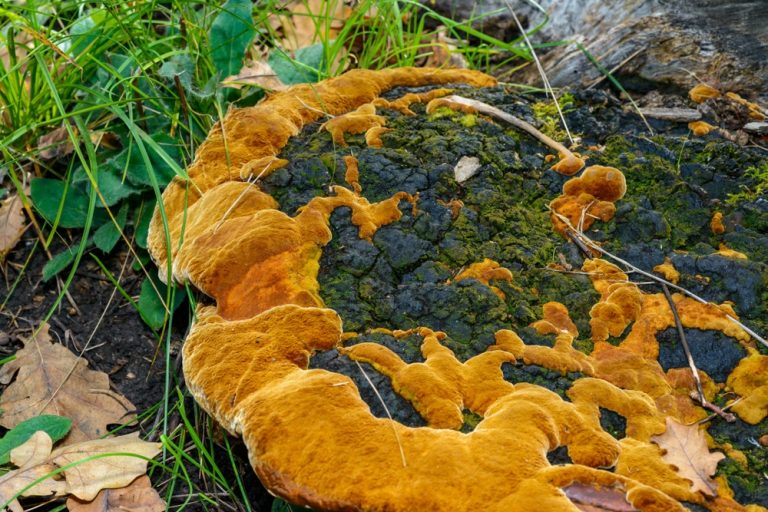
One week your peppers look fine, and the next week an entire section of the bed collapses like someone flipped a switch. In Texas, that “sudden wipeout” pattern is often tied to heat, humid nights, and a pathogen that hangs out in the soil waiting for the perfect moment—often southern blight (Sclerotium rolfsii). The frustrating…
Gardeners Warned: This Common Winter Cleanup Habit Is Spreading Fungal Disease in Raised Beds
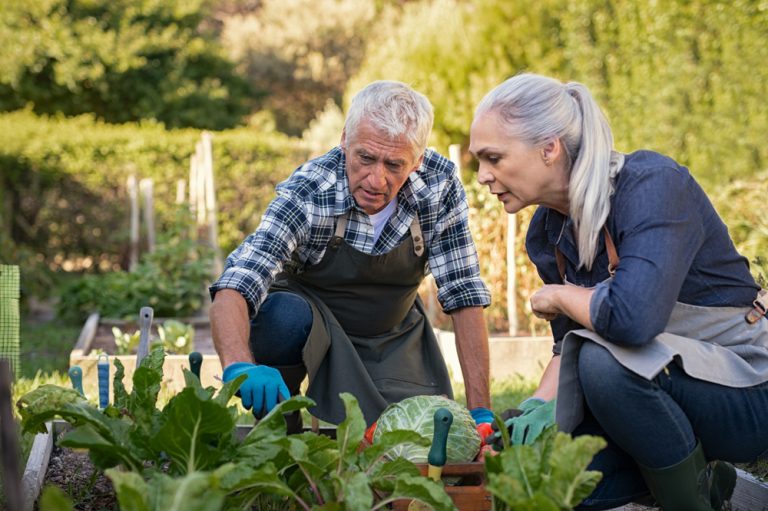
Raised beds look so tidy in winter that it’s tempting to “do the right thing” and clean them up fast. But one winter cleanup habit can backfire by moving fungal spores from old plant debris straight into the soil you plan to grow in later. The frustrating part is that it feels productive: raking, chopping,…
Why January Is When Smart Gardeners Plan for Pest Cycles

January feels quiet in the garden, but it’s the loudest month for prevention. Pests don’t disappear in winter—they pause, hide, and wait for the exact conditions that show up when spring plants start pushing new growth. If you’ve ever felt like aphids, slugs, or squash bugs “came out of nowhere,” they didn’t. They were already…