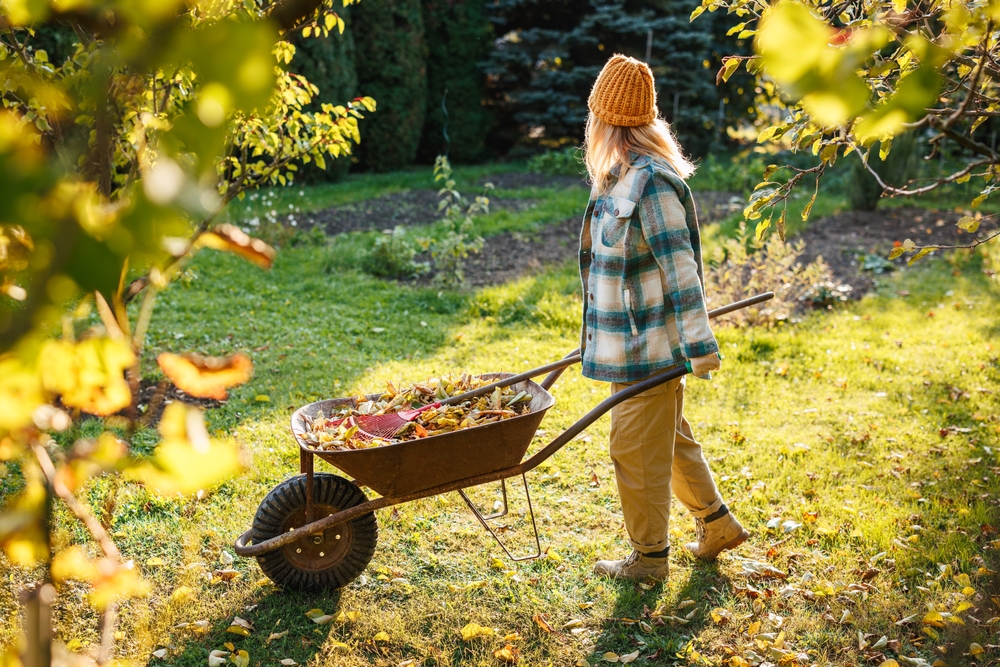
If your fall gardening routine involves cutting everything back, raking up every leaf, and leaving your flower beds spotless, you might actually be doing more harm than good. While a tidy yard may look appealing, many of those seemingly messy plants and leaves serve an important purpose during the colder months.
In fact, some of the best fall gardening advice involves doing less work, not more.
Native bees, butterflies, beneficial insects, and other wildlife rely on garden debris, hollow plant stems, and fallen leaves for shelter throughout winter. Removing everything before temperatures drop can destroy those habitats while leaving garden soil more exposed to harsh weather.
The good news? Fall garden cleanup doesn’t have to be an exhausting weekend project. Here are seven things gardening experts recommend leaving alone until spring, along with a few exceptions worth knowing.
1. Leave Fallen Leaves in Your Garden Beds
Those piles of fallen leaves might look like another chore, but they can actually become one of your garden’s most valuable free resources. According to the Xerces Society for Invertebrate Conservation, fallen leaves provide important winter habitat for moths, butterflies, bumble bees, and other beneficial insects. Instead of bagging every leaf for curbside collection, move some into garden beds where they can help protect soil and gradually break down into organic matter. A loose layer of leaves can also help moderate soil temperatures and reduce erosion during winter storms, although thick, matted piles should be avoided around vulnerable plants. Keeping leaves away from storm drains, walkways, and areas where they could smother turf allows homeowners to enjoy their benefits without creating unnecessary maintenance problems.
2. Don’t Cut Back Every Perennial Flower
It’s tempting to cut perennial flowers down to the ground once their blooms fade, but many plants offer benefits long after their growing season ends. Purple coneflowers, black-eyed Susans, and other seed-producing perennials can provide food for birds during fall and winter. Their standing stems may also offer shelter for insects, while dried flower heads add texture and interest to an otherwise dormant landscape. The National Wildlife Federation encourages wildlife-friendly gardening practices that provide food, shelter, and habitat throughout the year. During fall garden cleanup, consider leaving healthy perennial stems standing and saving major pruning for spring, while removing plants showing signs of serious disease.
3. Keep Hollow Stems for Native Bees
Many native bees don’t live in large colonies like honeybees, and some species depend on hollow or pithy plant stems for nesting. Leaving suitable plant stems standing can help provide nesting opportunities for cavity-nesting bees. Plants such as bee balm, elderberry, and certain native wildflowers may offer useful stem structures depending on their size and condition. Cutting everything flush with the ground during fall garden cleanup can eliminate potential nesting material before insects have an opportunity to use it. If you need to shorten particularly tall stems, consider leaving approximately 12 to 24 inches standing where practical, recognizing that different bee species have different nesting preferences.
4. Let Ornamental Grasses Stand Through Winter
Ornamental grasses often look their best in late summer, but their usefulness doesn’t disappear when temperatures begin falling. Many varieties provide winter structure, movement, and shelter for birds and beneficial insects when other plants have died back. Their dried foliage can also help protect the plant’s crown from cold weather, particularly in regions with freezing temperatures and fluctuating winter conditions. Rather than cutting healthy ornamental grasses down in October or November, gardeners can generally wait until late winter or early spring before new growth begins. However, plants that are invasive in your region, spreading unwanted seeds, or creating a fire hazard may require earlier attention, so check local extension recommendations before leaving them untouched.
5. Don’t Disturb Every Patch of Bare Soil
Bare soil might seem like an invitation to start digging, tilling, or preparing next year’s planting beds, but excessive disturbance can disrupt soil structure and underground wildlife. Some native bees nest in the ground, and their developing young may remain beneath the surface for extended periods. It’s important to protect nesting habitat, including appropriate areas of undisturbed soil. During fall garden cleanup, avoid unnecessary digging in established pollinator habitat, especially where you’ve noticed small nesting holes or bee activity during warmer months. Exposed garden beds can still benefit from protective mulch or cover crops, but leave known ground-nesting areas uncovered and undisturbed when possible.
6. Leave Healthy Seed Heads for Hungry Birds
When flowers fade and seed heads begin drying, many gardeners assume it’s time to remove them before the yard looks neglected. However, plants such as sunflowers, coneflowers, and black-eyed Susans can provide natural food sources for seed-eating birds during colder months. Leaving some standing seed heads also allows wildlife to forage naturally instead of relying entirely on backyard bird feeders. The National Audubon Society promotes native plants as important sources of food and habitat for birds throughout the seasons. Keep healthy, noninvasive seed-producing plants standing where practical, but remove seed heads from invasive species or aggressive self-seeders you don’t want spreading across the garden.
7. Stop Pruning Shrubs Just Because Fall Has Arrived
Fall might seem like the perfect time to reshape shrubs, but unnecessary pruning can create problems for certain plants. Spring-flowering shrubs such as lilacs, azaleas, and forsythia often develop their flower buds during the previous growing season, meaning fall pruning can remove next spring’s blooms. According to University of Minnesota Extension, pruning schedules should reflect a plant’s flowering habits and growth characteristics rather than a single universal calendar. Heavy pruning late in the growing season can also encourage tender new growth in some plants when conditions are still warm, potentially leaving that growth vulnerable to winter damage. Unless branches are broken, diseased, hazardous, or otherwise require attention, consider postponing major shrub pruning until the appropriate season for each species.
A Healthier Garden Doesn’t Have to Be a Spotless Garden
The biggest lesson from wildlife-friendly fall garden cleanup is that a little natural mess can provide meaningful benefits for your yard. Fallen leaves, standing stems, dried seed heads, and undisturbed soil can support beneficial insects, birds, and healthier growing conditions through winter. That doesn’t mean ignoring genuine problems, since diseased plants, invasive weeds, hazardous branches, and pest-infested debris may still need to be removed. Instead, focus on selective cleanup that protects valuable habitat while keeping pathways, drainage areas, and vulnerable plants safe.
Do you leave your garden standing through winter, or have you always preferred a completely cleaned-up yard before the first frost? Share your fall gardening habits in the comments.
What to Read Next
The Best Brown Materials for a Fall Compost Pile
This Beautiful Fall Shrub Is Becoming a Backyard Problem — Do You Have One?
Leave a Reply