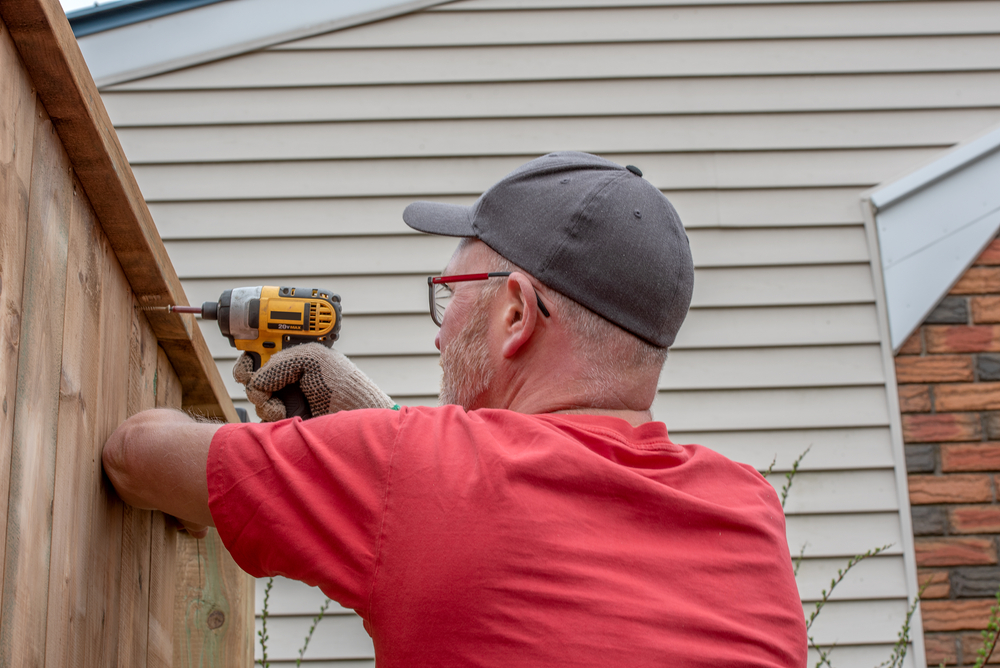
That backyard makeover you’ve been planning might seem like a harmless weekend project, but what if it ends with a warning from code enforcement—or a demand to tear everything down? Homeowners often assume that because they own their property, they can build a shed, install a fence, or create a backyard fire pit without asking permission. Unfortunately, that’s not always how local regulations work.
Some of the most common backyard projects that require permits involve improvements homeowners consider relatively minor. Depending on where you live, zoning ordinances, building codes, environmental protections, and homeowners association rules may restrict what you can install and where you can put it.
The financial consequences can be frustrating, especially when you’ve already purchased materials or paid a contractor. Before spending money on your next backyard improvement, here are five projects worth checking with your local government first.
1. Building a Shed or Greenhouse Without Checking Permit Requirements
A prefabricated storage shed or small greenhouse might seem like something you can simply purchase, assemble, and place in the backyard. However, many communities regulate accessory structures based on their size, height, foundation, location, and intended use. Even when a small shed qualifies for a building-permit exemption, local zoning rules may still require minimum distances from property lines, known as setbacks. A homeowner who installs a $2,000 greenhouse too close to a neighboring fence could potentially face relocation expenses or be required to modify the structure. Before buying materials, contact your local building department and ask about permit exemptions, setback distances, height restrictions, and whether electrical or plumbing installations require separate approval.
2. Installing a Fence That’s Too Tall or in the Wrong Location
Replacing an old backyard fence sounds straightforward until you discover that your community limits fence height or restricts certain materials. Some municipalities allow taller fences in rear yards while imposing stricter requirements near streets, intersections, and front property lines. Problems can also arise when homeowners accidentally build across property boundaries, drainage easements, or utility access areas. The American Planning Association provides resources explaining how local zoning and land-use regulations influence residential property improvements. Before installing a new fence, review your local ordinance, locate property markers, and consider obtaining a professional survey if the boundary is uncertain.
3. Building a Fire Pit or Outdoor Fireplace Without Checking Fire Rules
A backyard fire pit can make cool evenings more enjoyable, but open flames may be subject to local fire codes and seasonal restrictions. The National Fire Protection Association emphasizes the importance of safe outdoor fire practices because nearby structures, vegetation, and combustible materials can create serious hazards. Depending on your community, recreational fires may be restricted by distance requirements, approved fuel types, fire conditions, or temporary burn bans. A homeowner might spend several hundred dollars building a permanent stone fire pit only to discover that its location violates local safety requirements. Check with your fire department before construction, and remember that permission to use a portable fire pit doesn’t necessarily mean a permanent outdoor fireplace is allowed.
4. Changing Your Yard’s Drainage and Flooding the Neighbor’s Property
One of the most expensive backyard projects that require permits or additional approvals can involve grading, drainage systems, and major landscaping changes. Adding soil, installing a retaining wall, or redirecting downspouts may change how stormwater moves across your property. The Environmental Protection Agency encourages landscaping practices that help manage runoff, including rain gardens, permeable surfaces, and other approaches that allow water to soak into the ground. However, local stormwater ordinances may restrict alterations that increase runoff onto neighboring properties or interfere with established drainage systems. Before excavating or changing the slope of your yard, determine whether grading permits, stormwater approvals, or professional drainage plans are necessary.
5. Removing Trees That Are Protected by Local Ordinances
Cutting down a tree in your own backyard might seem like an obvious property-owner decision, especially when you’re trying to create more sunlight for a vegetable garden. However, some communities protect certain trees based on species, trunk diameter, historic significance, or location within regulated areas. Local tree-preservation ordinances may require permits, replacement plantings, or mitigation payments before protected trees can be removed. The International Society of Arboriculture provides homeowner resources on tree care and working with qualified arborists, which can help when evaluating whether removal is necessary. Before hiring a tree service, ask your municipality whether the tree is protected and whether documentation from a certified arborist is required.
A Few Minutes of Research Could Save Thousands
The good news is that avoiding problems with backyard projects that require permits often starts with a phone call or a quick review of your city’s website. Building departments, zoning offices, and local fire authorities can explain which rules apply to your property and whether approvals are necessary before construction begins. Homeowners associations may impose additional restrictions, even when a project complies with municipal requirements. Keeping copies of permits, approvals, surveys, and contractor agreements can also protect you if questions arise during a future home sale.
Have you ever started a backyard project only to discover that local rules or your HOA wouldn’t allow it? Share your experience in the comments.
What to Read Next
5 Backyard Projects That Look Cheap Until the Repair Bills Arrive
This Beautiful Fall Shrub Is Becoming a Backyard Problem — Do You Have One?
You Don’t Need a Big Backyard to Grow a Meaningful Amount of Food
Leave a Reply