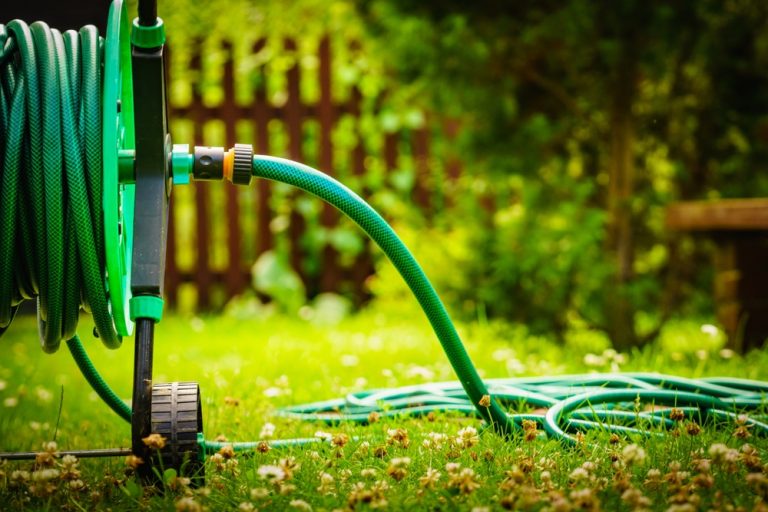
A garden hose can look perfectly innocent while quietly sending money down the drain. A worn washer, loose connection, damaged fitting, or hose left running longer than necessary can turn an ordinary watering session into an easy-to-miss source of water waste. The sneaky part comes from where many hose leaks happen: right at the spigot….
water
8 Ways to Protect Your Garden From Heat Without Running Up the Water Bill
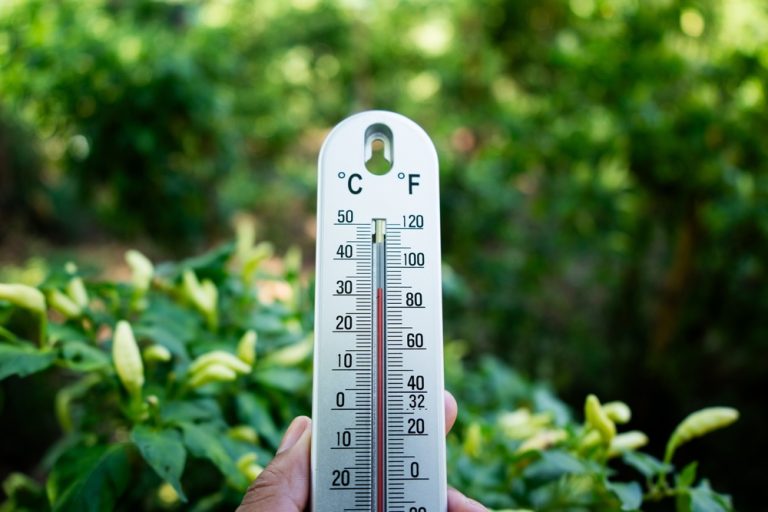
A heat wave can turn a productive garden into a collection of wilted leaves surprisingly fast, but cranking up the hose is not the only solution. A few changes to shade, soil, watering habits, and plant placement can reduce heat stress while helping every drop of water do more work. This involves protecting the moisture…
10 Garden Mistakes That Can Raise Your Water Bill During Late-Summer Heat

Late-summer heat can turn a garden hose into a surprisingly effective money vacuum. When temperatures climb, gardeners often respond by watering longer, watering more frequently, or simply watering everything because the soil looks dry on top. That can keep plants hydrated, but it can also send perfectly good water down the driveway, into the air,…
6 Ways to Cut Water Use Without Starving Your Garden
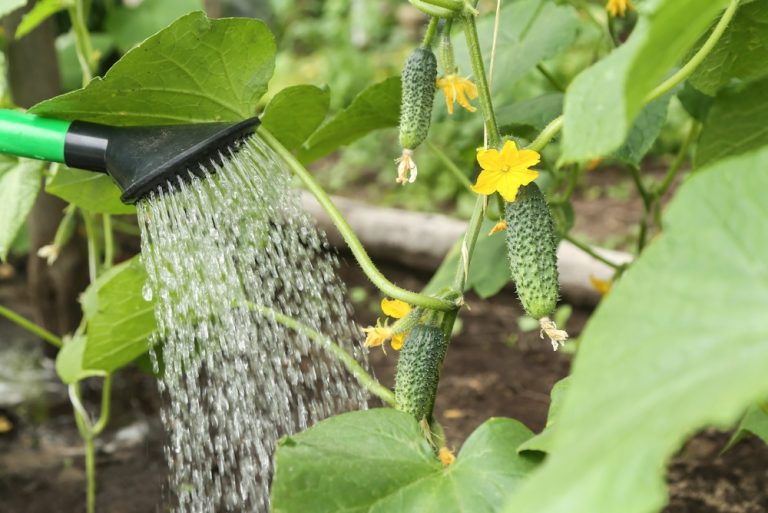
A garden can drink a surprising amount of water, but that does not mean every thirsty-looking plant needs another drink. Often, the bigger problem comes from water landing in the wrong place, evaporating too quickly, or running away before roots get a useful sip. A few smarter habits can reduce water use while keeping vegetables,…
How to Reuse Rainwater Without Creating a Mosquito Problem
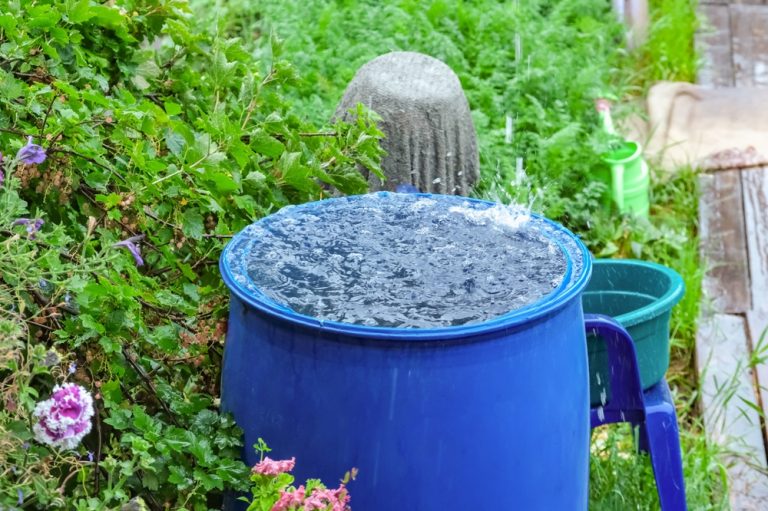
Rainwater can become a wonderfully useful garden resource, but a forgotten bucket of it can also become an open invitation to mosquitoes. A properly designed rain barrel lets gardeners capture roof runoff for watering plants while keeping insects out of the stored water. The trick involves treating rainwater storage as part of the garden system,…
6 Gutter-Free Ways to Catch Rainwater From a Garden Shed
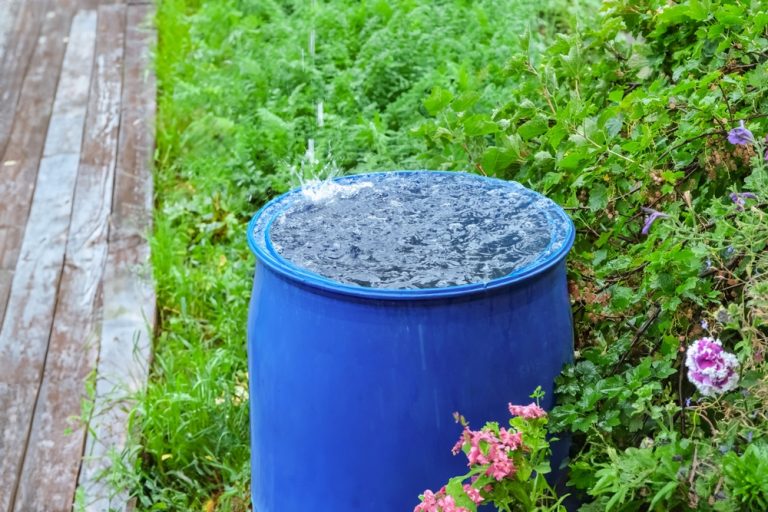
A garden shed roof can quietly collect a surprising amount of free water, but that does not mean the shed needs a full gutter system. With a few clever additions, gardeners can guide roof runoff into barrels, buckets, storage tanks, or even directly toward thirsty garden beds. The trick involves controlling where the water lands…
7 Signs Your Soil Has Become Hydrophobic
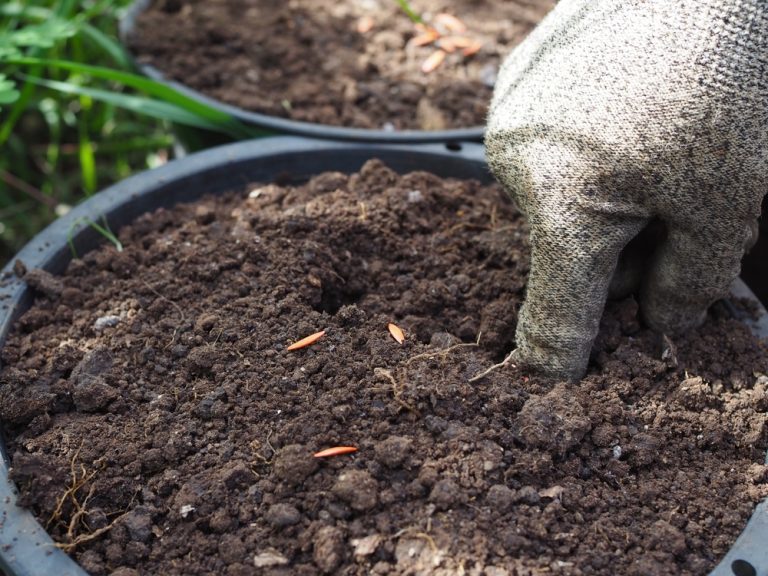
Your soil may look dry, dusty and perfectly ordinary, yet water can behave like it just spotted a puddle at a fancy party. Instead of soaking into the ground, water beads on top, runs away or disappears through a few cracks while nearby plants still sit thirsty. Hydrophobic soil often develops when organic compounds coat…
Growing with Graywater: Use Shower and Bath Water to Irrigate Ornamentals Safely
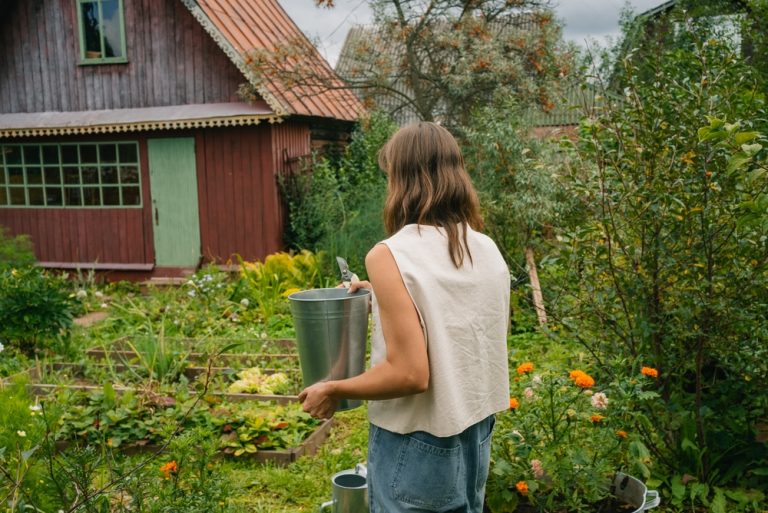
Every shower can leave behind more than a clean person. Graywater from showers and baths can give ornamental gardens a helpful drink when gardeners handle it carefully and choose the right plants. Instead of sending every drop down the drain, homeowners can redirect some household water toward flowers, shrubs, and decorative landscapes. Graywater gardening sounds…
Turn Rain Barrels into Low-Tech Irrigation by “Puncturing” Them—Let Water Drip Slowly to Plant Roots
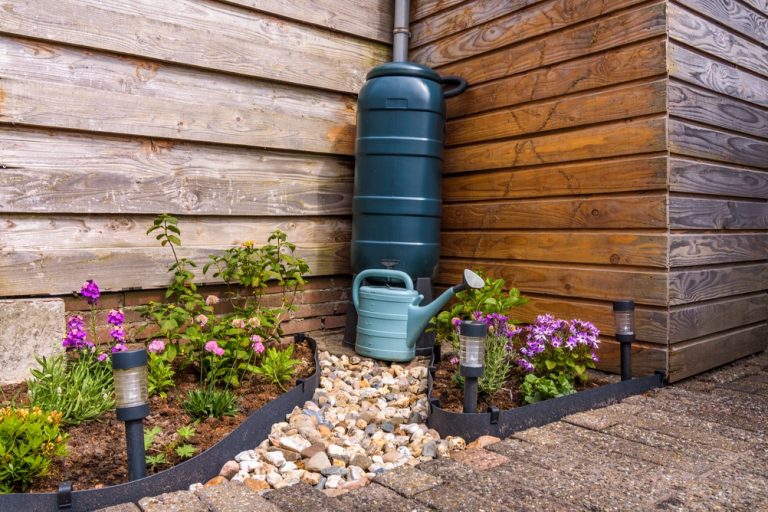
Rain barrels usually sit at the garden’s edge doing one job: collecting water and waiting for a watering can to come along. There is a quieter, smarter trick that turns that storage tank into a slow-release watering system that feeds plants right at the root zone. By carefully adding small punctures near the base, water…
Graywater Best Practices: Use Biodegradable Soap, Drip Directly Into Soil and Alternate with Fresh Water
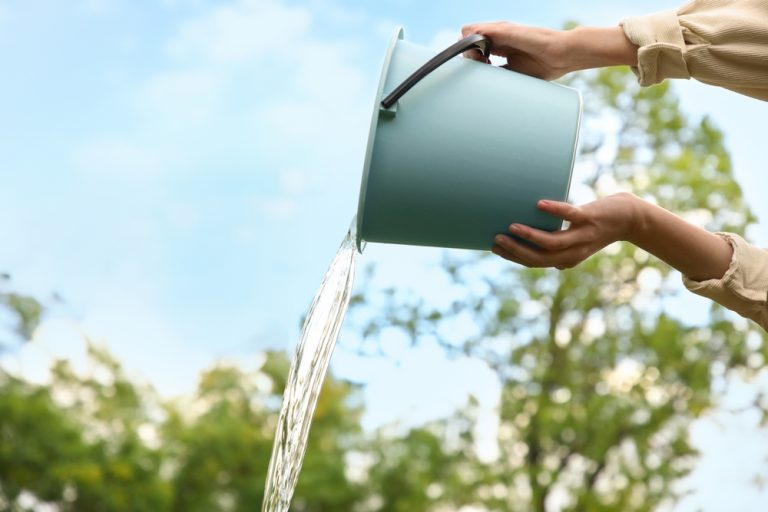
Water bills keep climbing, dry spells seem to linger longer, and gardeners continue searching for practical ways to stretch every drop. Graywater offers one smart solution, but success depends on using it correctly instead of simply sending used household water into the garden. A few thoughtful habits, including choosing biodegradable soap, directing water into the…