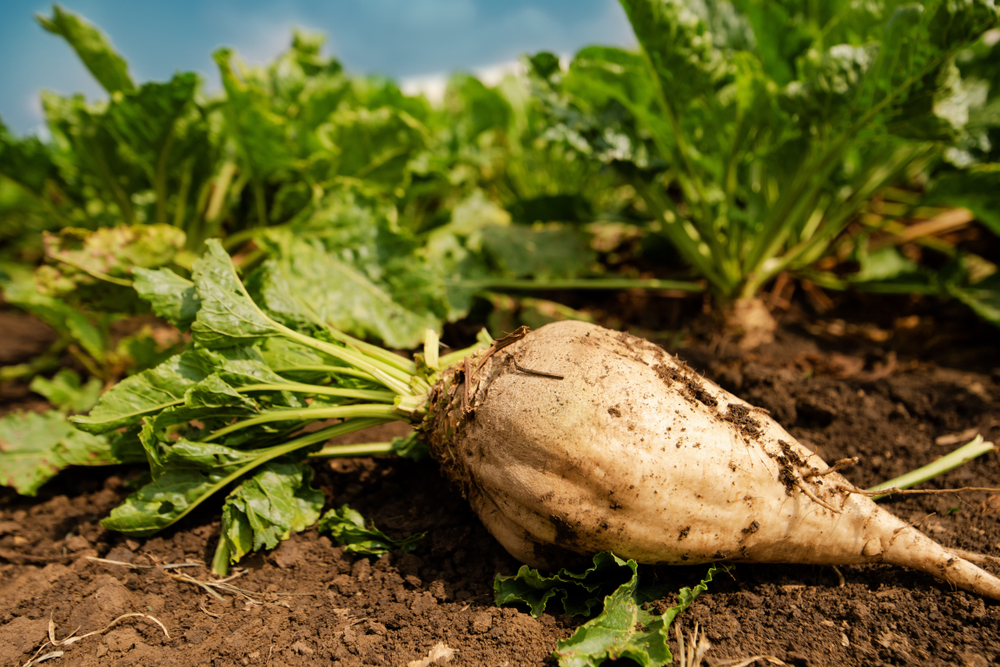
A bag of sugar at the grocery store or a basket of vegetables at the market might seem far removed from a backyard garden, but the same forces affect both. Sugarbeets, sugarcane, and vegetable crops all depend on healthy soil, reliable water, and favorable growing conditions. When drought and weather stress challenge large farms, home gardeners can learn valuable lessons about protecting plants closer to home.
The USDA has highlighted how drought can affect agricultural production by reducing crop yields, increasing stress on plants, and creating challenges for farmers managing water supplies. Those same challenges show up in smaller gardens through wilted leaves, slower growth, fewer harvests, and plants that struggle during hot, dry stretches. A garden may be smaller than a farm field, but plants still respond to stress in very similar ways.
Commodity Crops Reveal How Much Plants Depend on Water
Sugarbeets and sugarcane represent two very different crops, yet both show how important water management becomes during difficult growing seasons. Sugarbeets grow underground and store energy in their roots, while sugarcane develops tall stalks that contain the sugars harvested for processing. Both crops require careful growing conditions to produce strong yields.
When drought limits available moisture, plants must make tough choices. They may focus energy on survival instead of producing large roots, tall stalks, or abundant fruit. Garden vegetables follow the same pattern, which explains why tomatoes may drop blossoms during extreme heat or why carrots may develop smaller roots when soil stays too dry.
Drought Lessons From Farms Apply to Backyard Gardens
Large farms often use irrigation systems, soil monitoring, and crop planning to manage changing conditions. Home gardeners can borrow those same ideas on a smaller scale by improving soil structure, adding organic matter, and watering more efficiently. A healthy garden begins below the surface, where roots need access to moisture and oxygen at the same time.
Mulch remains one of the simplest tools for reducing water stress. A layer of compost, shredded leaves, straw, or other organic material helps slow evaporation and keeps soil temperatures more stable. It also creates a more welcoming environment for beneficial soil organisms that contribute to healthier plant growth.
Rising Crop Challenges Can Influence Vegetable Prices
Commodity stress does not only affect farmers. When growing conditions create challenges for major crops, the effects can eventually reach grocery shelves. Sugarbeets, sugarcane, and vegetables all move through complex supply chains, and disruptions in production can influence availability and pricing.
Gardeners often notice these changes during seasons when certain produce becomes more expensive. A sudden jump in the price of a favorite vegetable can serve as a reminder that growing food depends on many factors, including weather patterns, transportation, labor, and farm management decisions. A backyard garden cannot replace the entire grocery supply, but growing a few reliable crops can provide fresh produce while adding a little independence.
Smart Plant Choices Help Gardens Handle Stress
A garden designed for challenging weather begins with choosing plants suited to local conditions. Some vegetable varieties handle heat and dry periods better than others, and selecting the right plants can make a noticeable difference when summer temperatures climb. Local extension offices often provide region-specific recommendations based on climate and soil conditions.
Timing also matters. Many gardeners get frustrated when spring planting habits fail during hotter summers, but adjusting planting dates can help crops avoid the harshest conditions. Cool-season vegetables such as lettuce, peas, and spinach often perform better during milder temperatures, while heat-loving crops such as peppers and certain tomatoes prefer warmer conditions.
Soil Care Becomes a Garden Superpower During Stressful Seasons
Healthy soil acts like a savings account for plants. It stores moisture, provides nutrients, and creates space for roots to expand. Poor soil often forces plants to work harder because water drains too quickly or roots struggle to access what they need.
Adding compost, avoiding unnecessary soil disturbance, and keeping bare ground covered can gradually improve garden conditions. Farmers managing large fields and gardeners managing raised beds both benefit from the same principle: strong soil gives plants a better chance when the weather refuses to cooperate.
Food Production Challenges Offer Valuable Gardening Lessons
Commodity crops such as sugar beets, sugarcane, and vegetables remind gardeners that food production depends on balance. Plants need the right combination of sunlight, water, nutrients, and timing. When one piece of that puzzle changes, growers must adjust their approach.
The biggest lesson from agricultural stress is not fear, but preparation. A gardener who improves soil, uses water wisely, chooses appropriate plants, and pays attention to seasonal changes builds a stronger growing space. The garden may still face heat waves, dry spells, and unpredictable weather, but thoughtful preparation can make those challenges easier to manage.
A Stronger Garden Starts With Lessons From the Farm Field
The fields producing sugar, vegetables, and other crops offer a valuable reminder that every plant has limits. Drought conditions reveal weaknesses quickly, whether the crop grows on a massive farm or in a small backyard bed beside the patio. Gardeners who pay attention to these lessons can make smarter choices about water, soil, and plant selection.
Food production will always depend on nature, but gardeners have more control than they might realize. By borrowing ideas from agricultural practices and adapting them at home, anyone can create a more resilient garden that handles stressful seasons with greater confidence.
What changes have you made in your garden to handle drought, heat, or rising food costs? Share your favorite strategies in the comments!
You May Also Like…
Drought Conditions Are Affecting U.S. Agriculture—What Home Gardeners Should Watch
Pet‑Friendly Gardening: Non‑Toxic Plants and Shady Spots Make Your Yard Safe for Fido
The Community Garden Loophole: How to Get a Plot for Less Than a Pizza
7 Backyard Gardening Ideas That Could Save Money All Summer Long
The Gardening Mistake That Can Destroy Plants After Heavy Rain

Brandon Marcus is a staff writer for FrugalGardening.com at District Media, Inc., where he delivers practical gardening advice with a relatable, no-nonsense style. An avid amateur gardener, he holds a BA degree and with over ten years of professional writing experience, he is also an award-winning published author whose first book, Questions For Deep Thinkers, was released by Adams Media. His work has appeared in major publications including Fandom.com, CHUD.com, TheColdWire.com, and Fansided.com.
Leave a Reply