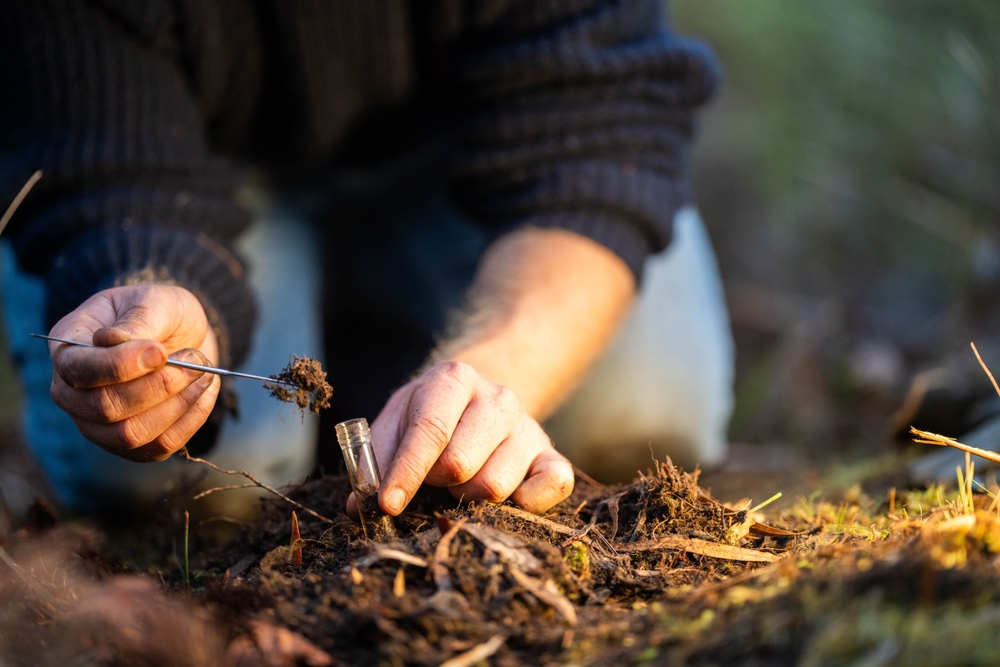
Soil looks simple on the surface, but it behaves more like a living bank account than a pile of dirt. Every scoop holds nutrients, minerals, and microscopic life that directly shape how plants grow, and what they desperately lack. Pennsylvania’s fertilizer law pushes gardeners to think before they scatter anything across a lawn or flower bed. That means soil testing becomes the opening move, not an optional extra step. Without it, fertilizer turns into guesswork with expensive consequences.
Walk into any garden center and the shelves tempt with bags promising greener grass and bigger blooms. It feels easy to grab one, sprinkle it around, and hope for the best. Soil testing cuts through that guesswork by revealing what the ground actually needs and what it already has in abundance. That simple snapshot helps avoid waste, protects nearby waterways, and keeps plants from getting overloaded with nutrients they never asked for. In Pennsylvania, that approach lines up directly with fertilizer rules designed to reduce runoff and encourage smarter applications.
Pennsylvania’s Fertilizer Law Puts Soil First
Pennsylvania’s fertilizer law doesn’t aim to make gardening harder, it aims to make it smarter and cleaner for local ecosystems. The law encourages homeowners and landscapers to base fertilizer choices on real soil data instead of routine habits or seasonal tradition. That shift matters because excess nutrients can wash into streams and contribute to water quality problems downstream. Soil tests give gardeners a clear roadmap so fertilizer becomes a targeted tool instead of a scattershot habit.
A soil test report breaks down nutrient levels like phosphorus, potassium, and pH balance in plain terms that guide action. Once those numbers appear on paper, fertilizer decisions suddenly feel less like guessing and more like following directions. This approach helps prevent over-application, which often leads to weak root systems and patchy growth instead of healthy lawns or gardens. Pennsylvania’s guidelines lean heavily on this idea, rewarding precision and discouraging blanket fertilizer use across entire properties.
What a Soil Test Actually Reveals About Your Yard
A soil test works like a backstage pass to everything happening beneath the surface of a garden. It shows nutrient levels, soil acidity, and even hints about how well roots can access what they need. That information shapes whether plants struggle or settle in comfortably from the start. Without it, gardeners often misread symptoms and throw fertilizer at problems that actually stem from imbalanced soil chemistry.
Most testing services return results that feel surprisingly readable, even for beginners. A few numbers and color-coded indicators explain whether soil leans acidic, neutral, or alkaline, which directly affects plant performance. The report also flags nutrient shortages that can quietly stunt growth long before leaves show visible stress. With that knowledge in hand, gardeners can match fertilizer types to real needs instead of relying on generic blends that may not fit the soil at all.
Smarter Fertilizer Use Starts With One Simple Sample
Collecting a soil sample feels simple, but timing and technique matter more than most people expect. Gardeners usually gather small scoops from several spots in a yard, mix them together, and send them off for analysis. That blended sample gives a more accurate picture than a single clump from one corner of the property. Pennsylvania’s fertilizer guidance leans on this step because better samples lead to better decisions.
Once results come back, fertilizer stops being a routine chore and becomes a calculated step. A lawn might need zero phosphorus, while a vegetable bed might benefit from a modest adjustment in nitrogen or potassium. Without that data, over-fertilizing becomes a real risk, especially in established yards where nutrients already accumulate over time. Soil testing turns application day into a precise operation instead of a hopeful experiment with uncertain results.
Healthier Soil, Cleaner Water, Better Growth
Soil testing pays off in ways that stretch beyond a single season of gardening success. Plants respond better when nutrients arrive in balanced amounts instead of overwhelming doses that throw growth patterns off track. Stronger root systems develop when soil chemistry supports steady uptake instead of forcing plants to fight excess salts or imbalances. That stability shows up in fuller gardens, steadier lawns, and fewer frustrating patchy spots.
Pennsylvania’s fertilizer law connects directly to this long-term mindset by encouraging responsible nutrient use that protects nearby waterways. When gardeners apply fertilizer based on real soil data, less runoff escapes into storm drains and streams after heavy rain. That shift protects both private landscapes and shared ecosystems without requiring complicated tools or expensive upgrades. A simple soil test ends up carrying more influence than most people expect from such a small sample.
The Ground Truth Every Gardener Needs Before Spreading Fertilizer
Soil testing anchors every smart fertilizer decision by replacing guesswork with clear, practical direction. Pennsylvania’s fertilizer law strengthens that idea by rewarding precision and discouraging unnecessary applications. Gardeners who test first gain control over both plant health and environmental impact without adding complexity to their routines. A small scoop of soil ends up guiding every bag, spreader, and seasonal plan that follows.
The real power sits in the timing, not just the results, because testing before applying fertilizer sets the tone for the entire growing season. That simple step keeps gardens healthier, budgets steadier, and local waterways cleaner at the same time. Once gardeners see how much information hides beneath their feet, skipping a soil test starts to feel like flying blind in a place that clearly offers a map.
What surprises you most about what a soil test can reveal, and how might it change the way fertilizer gets used in your own garden?
You May Also Like…
Supercharge Your Soil: How to Brew Compost Tea or Worm Castings Tea at Home
7 Spring Soil Picks That Thrive Early
5 Health-Boosting Soil Practices That Work Quickly
5 Soil Health Improvements That Deliver Quick Results
6 Companion-Friendly Pairings That Improve Soil Health

Brandon Marcus is a staff writer for FrugalGardening.com at District Media, Inc., where he delivers practical gardening advice with a relatable, no-nonsense style. An avid amateur gardener, he holds a BA degree and with over ten years of professional writing experience, he is also an award-winning published author whose first book, Questions For Deep Thinkers, was released by Adams Media. His work has appeared in major publications including Fandom.com, CHUD.com, TheColdWire.com, and Fansided.com.
Leave a Reply