Dry weather across parts of the United States is putting agriculture under pressure, and home gardeners should pay attention because the backyard often feels the effects before the grocery cart does. Drought conditions can change how plants grow, how often gardens need water, and how gardeners manage everything from tomatoes to trees.
The latest conditions tracked by National Drought Mitigation Center and National Integrated Drought Information System show why dry spells deserve a closer look from anyone with a shovel, a watering can, or a favorite patch of flowers. Home gardeners cannot control rainfall, but smart choices can help landscapes handle tough stretches of dry weather.
Dry Fields Tell a Story That Backyard Gardeners Should Notice
Agriculture often gives gardeners an early clue about changing water conditions because farms cover huge areas and depend heavily on reliable moisture. When fields struggle with limited rainfall, home gardens may also face challenges with dry soil, stressed roots, and slower plant growth. A vegetable garden does not exist in a bubble, and the same weather patterns that influence crops can reach neighborhood landscapes too. The good news comes from paying attention early instead of waiting for plants to wave a tiny white flag.
Dry conditions can create sneaky problems that do not always appear dramatic at first glance. A plant may look fine above ground while its roots search through dusty soil for moisture. Gardeners should watch for wilting leaves, curled foliage, flower drop, and vegetables that stop producing as much. These signs do not always mean a plant needs more fertilizer or a rescue mission with every garden product on the shelf. Sometimes the simple answer involves changing watering habits and improving the soil’s ability to hold moisture.
Soil Becomes the Garden’s Water Savings Account
Healthy soil plays a starring role when rainfall becomes unreliable because it stores moisture where roots can reach it. Adding compost, aged organic matter, or mulch helps create soil conditions that reduce water loss and keep temperatures more stable. Mulch also acts like a protective blanket for the ground, which sounds cozy because it works much like one. A few inches around plants can slow evaporation and reduce stress during hot, dry weather. Gardeners who build good soil now often make future dry periods easier to manage.
Not every garden needs the same approach, and soil type changes the watering game. Sandy soil drains quickly and may need more frequent attention, while clay soil can hold water but may struggle with compacting. A simple soil check can reveal whether water moves too quickly or sits too long around roots. Home gardeners sometimes blame the weather when the real culprit hides underground. A little soil detective work can prevent a lot of unnecessary watering.
Smart Watering Habits Make Every Drop Count
Drought conditions do not mean gardeners must abandon colorful landscapes or productive vegetable beds. They do mean watering needs more strategy and less guesswork. Early morning watering gives plants time to absorb moisture before heat pulls water away. Deep, less frequent watering usually encourages stronger root systems than quick daily sprinkles that only wet the surface.
Gardeners should also inspect irrigation systems because tiny leaks can waste surprising amounts of water. Drip irrigation, soaker hoses, and targeted watering methods help deliver moisture closer to plant roots instead of spraying sidewalks and driveways. Container gardens require extra attention because pots dry out faster than garden beds. A thirsty tomato plant in a container can go from happy to dramatic faster than a house cat ignoring an empty food bowl. Paying attention to each plant’s needs creates a healthier and more efficient garden.
Plants Reveal What Dry Weather Really Means
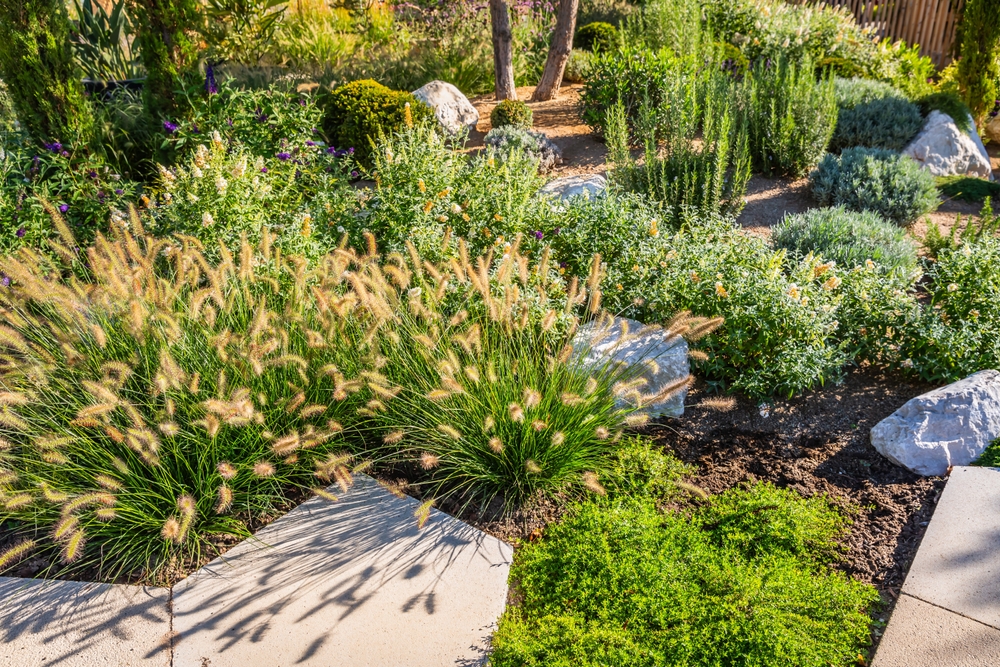
Different plants respond to drought in different ways, and gardeners can learn a lot by watching their landscapes closely. Native plants and drought-tolerant varieties often handle dry periods better because they match local growing conditions. That does not mean they need zero water, especially during establishment, but they often require less help once roots settle in. Choosing plants carefully can reduce future battles with heat and limited rainfall.
Vegetable gardeners should keep an eye on crops that need consistent moisture, including lettuce, cucumbers, and many young seedlings. Uneven watering can contribute to problems such as bitter flavors, misshapen produce, or blossom-end rot in tomatoes and peppers. Trees and shrubs deserve attention too because drought stress can build quietly over time. A mature tree that loses vigor after a dry season may show problems months later. The garden’s biggest plants often need the most patience and protection.
Small Garden Decisions Can Create Big Water Wins
Drought conditions across U.S. agriculture remind home gardeners that every landscape choice matters. A garden filled with smart plant selections, healthy soil, and thoughtful watering habits can handle dry weather much better than a garden that depends on constant rescue. Simple changes, such as collecting rainwater where allowed, grouping plants with similar water needs, and adding mulch, can make a noticeable difference. Gardeners do not need a complete landscape makeover to respond to changing conditions. Small adjustments can add up like loose change in a jar.
The biggest mistake involves waiting until plants show serious stress before making changes. Dry weather rewards gardeners who observe, prepare, and adjust throughout the season. Agriculture provides a wider view of water challenges, but the backyard provides a daily reminder of how those challenges affect living things. Paying attention to soil, plants, and weather patterns helps gardeners make better decisions without wasting precious resources. The smartest garden tools during drought may not sit in a shed at all, because observation and planning often do the heavy lifting.
What changes have you made in your garden during dry weather, and which water-saving tricks have worked best for your plants? Share your experiences in the comments.
You May Also Like…
Drought‑Resistant Herbs and Spices: Rosemary, Thyme and Sage Thrive with Minimal Water
Composting in Hot Weather: How Turning and Moisture Control Speed Up Decomposition
10 Plants That Actually Prefer Hot Weather
Skip the Transplants: These Warm-Weather Veggies Excel When Direct-Sown Now
7 Backyard Gardening Ideas That Could Save Money All Summer Long

Brandon Marcus is a staff writer for FrugalGardening.com at District Media, Inc., where he delivers practical gardening advice with a relatable, no-nonsense style. An avid amateur gardener, he holds a BA degree and with over ten years of professional writing experience, he is also an award-winning published author whose first book, Questions For Deep Thinkers, was released by Adams Media. His work has appeared in major publications including Fandom.com, CHUD.com, TheColdWire.com, and Fansided.com.
Leave a Reply