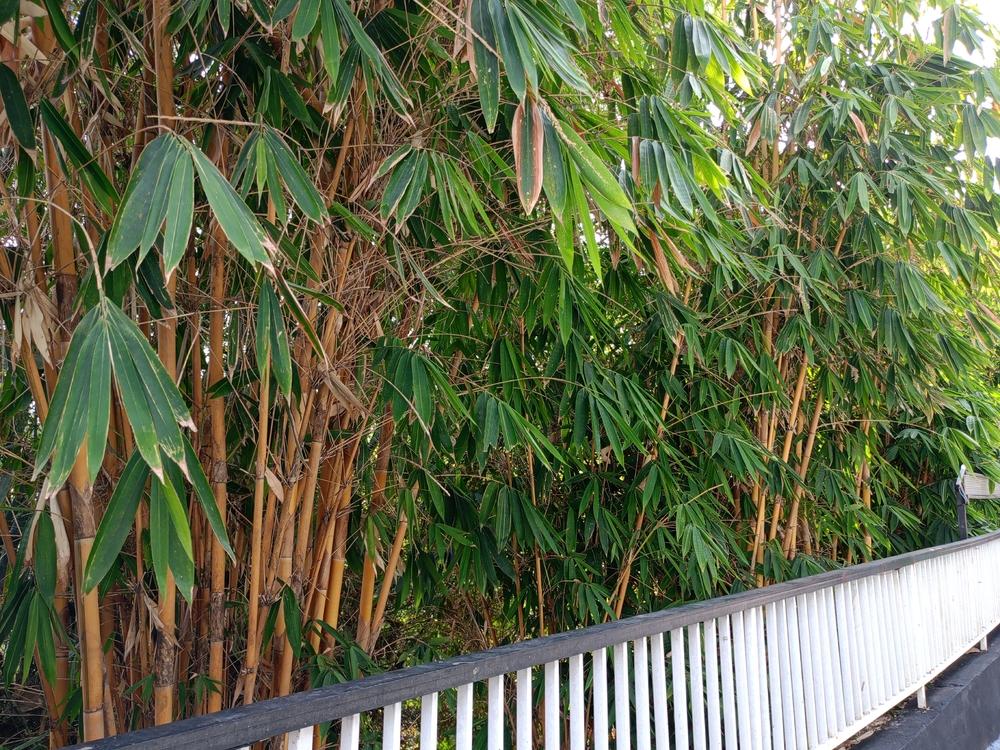
It starts with a few innocent-looking green shoots poking through your lawn near the property line. Within weeks, those shoots become tall bamboo stalks, and before long, they’re appearing in your flower beds, beside your fence, and dangerously close to your landscaping. The frustrating part is that you never planted bamboo in the first place—your neighbor did.
Unfortunately, neighbor’s bamboo spreading into your yard can become much more than an annoying gardening problem. Certain bamboo varieties spread aggressively through underground stems, potentially creating years of unwanted maintenance and expensive removal work.
According to the University of Maryland Extension, running bamboo can spread into neighboring properties and natural areas, where it may displace native vegetation. Once established, controlling it can require repeated cutting, excavation, or specialized underground barriers.
So, can you force your neighbor to remove it, and what can you legally do to protect your property?
Understand Why Bamboo Keeps Invading Your Property
Not all bamboo behaves the same way, which is important when you’re trying to control unwanted growth. Bamboo generally falls into two categories: running bamboo and clumping bamboo. Running varieties spread through underground stems called rhizomes, which can travel horizontally through the soil before producing new shoots several feet away from the original planting. That’s why cutting down visible stalks doesn’t necessarily solve the problem, since the underground network can remain alive and continue spreading. If your neighbor planted a running variety such as golden bamboo, controlling the invasion may require much more than ordinary yard maintenance.
You May Have the Right to Remove Bamboo on Your Property
When your neighbor’s bamboo is spreading into your yard, you generally have options for managing unwanted plants growing on your own land. However, property rights, trespass laws, and vegetation removal rules vary by state and municipality, so you shouldn’t assume every removal method is automatically permitted. Focusing on containment when bamboo originates from a neighboring property is recommended because eliminating the entire colony usually requires cooperation from the adjoining landowner. Cutting emerging shoots or removing rhizomes on your side may help, but digging across the property boundary or applying chemicals to your neighbor’s plants can create legal problems. Before starting extensive excavation, confirm the property line and review local regulations governing invasive plants and landscaping disputes.
Some Communities Have Laws Specifically Targeting Running Bamboo
Here’s something many homeowners don’t realize: some states and municipalities have enacted rules specifically addressing invasive bamboo. Under Virginia Code § 15.2-901.1, local governments may adopt ordinances requiring property owners to contain running bamboo and prevent it from spreading onto adjoining properties. The law authorizes civil penalties of up to $50 for an initial violation and up to $200 for certain subsequent violations, subject to additional statutory limits. However, the Virginia statute doesn’t automatically prohibit every bamboo planting statewide, since individual localities must adopt applicable ordinances. If your neighbor’s bamboo is invading your property, contact your local code enforcement office or municipal government to determine whether similar restrictions exist where you live.
Installing a Bamboo Barrier Could Stop the Spread
One of the most effective ways to protect your yard is installing a specialized underground barrier along the affected property boundary. The University of Georgia Cooperative Extension recommends digging a trench approximately 36 inches deep and installing a suitable barrier material to restrict running bamboo rhizomes. Heavy-duty polypropylene or high-density polyethylene barriers at least 60 mil thick are recommended, with several inches extending above the soil. The purpose isn’t simply to block roots underground but to redirect growing rhizomes toward the surface, where they can be spotted and removed. Because installation involves substantial digging, homeowners should locate underground utilities first and consider professional assistance when the affected area is large.
Repeated Cutting Can Work, but Don’t Expect Overnight Results
If you don’t want to spend money installing an underground barrier, consistent cutting may help control the unwanted growth. Repeated mowing and removal of new shoots can gradually exhaust the underground rhizome system. However, this process requires persistence because bamboo stores energy underground and can continue producing new growth after the visible stalks disappear. NC State Extension advises homeowners to prepare for at least three years of active management when attempting complete eradication. For gardeners dealing with bamboo connected to a neighbor’s established colony, repeated cutting may suppress growth on their side without permanently eliminating the source.
Digging Out the Rhizomes Is Often the Most Direct Solution
Sometimes the fastest way to reclaim a flower bed is physically removing the underground bamboo stems responsible for the invasion. Rhizome removal is generally the quickest and most effective eradication method, although it can be labor-intensive and disruptive. For a small infestation, gardeners may be able to use a shovel, digging fork, or mattock to expose and remove the spreading rhizomes. Larger infestations may require excavation equipment, particularly when bamboo has established a dense underground network. Even after removing the visible roots, continue monitoring the area because small rhizome fragments left behind can produce new shoots.
Herbicides Aren’t Always the Simple Fix They Seem
Homeowners frustrated by a neighbor’s bamboo spreading into their yard may be tempted to spray the unwanted plants with a weed killer. However, bamboo is notoriously difficult to eliminate with a single herbicide treatment, and careless applications can damage nearby landscaping. You should only consider systemic herbicides as part of a carefully planned control strategy, with repeated treatments often necessary. Applying chemicals near a shared property boundary also raises concerns about damaging plants beyond your property or violating pesticide labeling requirements. If chemical treatment becomes necessary, follow the product label exactly and consider consulting a licensed professional who understands invasive bamboo management.
Document the Damage Before Confronting Your Neighbor
If bamboo is damaging landscaping, interfering with a fence, or requiring expensive removal work, documentation can become important. Take dated photographs showing where new shoots appear, how far they’ve spread, and whether nearby structures or plants have been affected. Keep receipts for removal services, barriers, replacement plants, and other expenses directly related to controlling the invasion. Before demanding reimbursement, understand that liability depends on applicable state law, local ordinances, evidence of damage, and the specific circumstances of the dispute. A written request explaining the problem and proposing a shared containment solution may resolve the situation more effectively than immediately threatening legal action.
You May Need Professional Help if the Problem Continues
Sometimes a neighbor refuses to cooperate, or the bamboo has spread so extensively that ordinary gardening techniques aren’t practical. In those situations, consider contacting your local cooperative extension office, code enforcement department, or an experienced invasive-plant removal contractor. Established running bamboo can require substantial effort and expense to eradicate, particularly when the underground network extends beyond the area being treated. If significant property damage has occurred or local bamboo ordinances may have been violated, an attorney familiar with property disputes can explain your legal options. Getting professional advice before undertaking major excavation or filing a lawsuit can help prevent unnecessary expenses and additional conflict.
Don’t Let a Neighbor’s Bamboo Take Over Your Garden
Dealing with neighbor’s bamboo spreading into your yard can be frustrating, especially when you never agreed to have the plant on your property. Fortunately, options such as rhizome barriers, repeated cutting, and careful excavation can help control unwanted growth, although permanent results may require cooperation from the person who owns the original bamboo planting. Local ordinances may provide additional protection, but homeowners should verify their rights before crossing property boundaries or demanding reimbursement. The most practical first step is often documenting the invasion, identifying the bamboo variety, and discussing containment with your neighbor before the problem becomes more expensive.
Have you ever dealt with invasive bamboo spreading from a neighboring property, and were you able to stop it without a major dispute? Share your experience in the comments.
What to Read Next
Your Neighbor’s Tree Is Dropping Leaves Into Your Yard — Who Has to Clean Them Up?
Leave a Reply