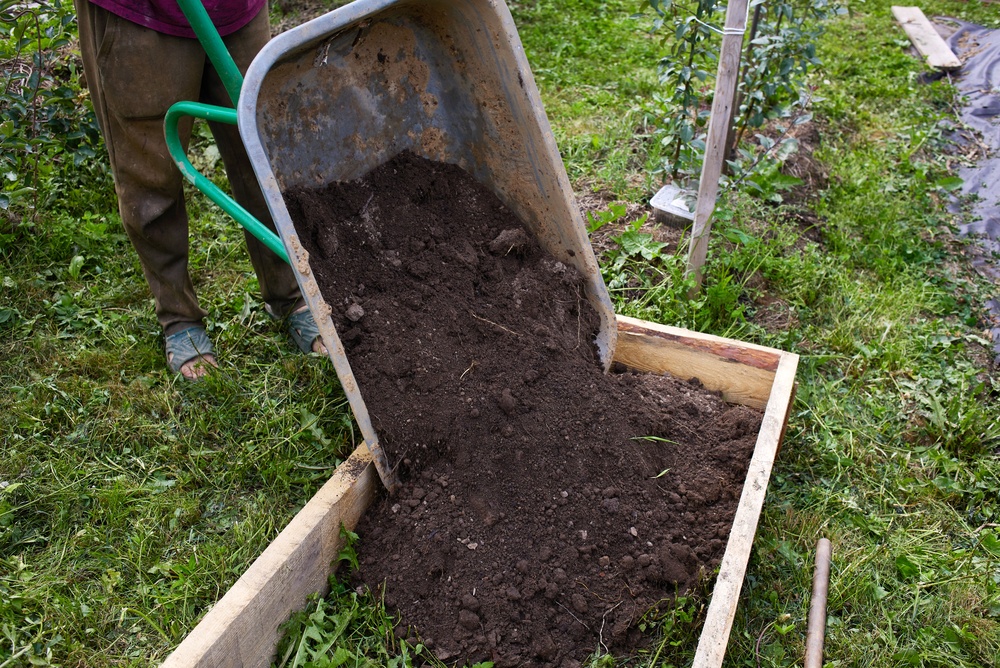
Your neighbor has extra topsoil from a landscaping project, and they’re offering it to you for free. It sounds like a great deal, especially when buying several bags of garden soil can quickly add up. But what if that free dirt brings invasive worms, stubborn weeds, or plant diseases into a garden you’ve spent years maintaining?
Moving soil between yards might seem like one of the most harmless things a gardener can do, but experts warn that soil can carry organisms and contaminants that aren’t immediately visible.
From invasive jumping worm cocoons to microscopic plant pathogens, unwanted hitchhikers can travel in surprisingly small amounts of soil. Once introduced, some can become difficult, expensive, or practically impossible to eliminate.
Before accepting that free wheelbarrow of dirt or sharing soil with a gardening friend, here’s what you should understand about the risks and how to protect your property.
Invasive Jumping Worms Can Travel in Ordinary Garden Soil
One of the biggest concerns with moving soil between yards involves invasive jumping worms, which have been spreading through gardens and natural areas in parts of the United States. According to the University of Minnesota Extension, these aggressive earthworms can travel through contaminated soil, mulch, compost, and plants. Their tiny cocoons are especially concerning because they can be difficult to see and may survive winter temperatures that kill adult worms. Once established, jumping worms consume organic matter rapidly and produce loose, granular castings that resemble coffee grounds, potentially changing soil structure and growing conditions. Gardeners should avoid transporting soil from known infested areas, even when no adult worms are visible.
Weed Seeds Can Hide in Soil for Years
That free pile of topsoil might look perfectly clean, but it could contain hundreds or thousands of dormant weed seeds. Many troublesome weeds produce seeds that remain viable in the soil for years, waiting for favorable moisture, temperature, and light conditions before germinating. The University of California Integrated Pest Management Program explains that weed management often involves dealing with persistent soil seed banks that can produce new growth long after the original plants disappear. When gardeners transport untreated soil between properties, they may unintentionally introduce weeds that weren’t previously growing in their yards. Removing those new weeds can require repeated cultivation, mulching, or other management efforts that quickly erase the savings from accepting free soil.
Plant Diseases Can Spread Without Any Visible Warning
Some of the most serious risks associated with moving soil between yards are microscopic organisms that gardeners cannot identify simply by looking at the dirt. Soilborne pathogens can include fungi, fungus-like organisms, bacteria, and other disease-causing agents capable of infecting susceptible plants. For example, certain Phytophthora species can persist in soil or infected roots and contribute to root rot when susceptible plants are exposed to favorable disease conditions. Before transferring soil from a garden with a history of unexplained plant deaths, gardeners should consider whether the material could introduce pathogens into healthy planting areas.
Soil Can Carry Invasive Insects and Other Pests
Earthworms aren’t the only unwanted organisms that can hitch a ride in a bucket of garden soil. Depending on the region, soil may contain insect eggs, larvae, pupae, nematodes, or other organisms capable of damaging plants or spreading into new environments. The USDA Animal and Plant Health Inspection Service monitors invasive plant pests and diseases because moving infested materials can contribute to their spread. Some regulated pests are associated with soil or plant roots, making the transportation of untreated material especially concerning in affected areas. Before moving soil across county or state lines, check whether agricultural quarantines or movement restrictions apply to the material and destination.
Free Soil Could Contain Contaminants You Don’t Want Near Vegetables
Not every problem with moving soil between yards involves insects or plant diseases. Soil from older residential properties, former industrial sites, or areas near heavily traveled roads may contain elevated concentrations of lead or other contaminants. Soil contamination is an important consideration for urban agriculture and community gardening, particularly when growing edible crops. A homeowner might unknowingly move contaminated fill dirt into a raised vegetable bed simply because the material looks dark and fertile. When the source or history of soil is uncertain, consider laboratory testing for relevant contaminants before using it around vegetables, children’s play areas, or frequently handled garden spaces.
Different Soil Types Can Create Unexpected Drainage Problems
Even soil that’s free from pests and contaminants may cause problems if its physical characteristics don’t match your existing garden. Adding heavy clay soil to a bed with good drainage can change how water moves through the growing area, while sandy material may behave differently from the surrounding soil. Soil structure, organic matter, and drainage play important roles in maintaining healthy growing conditions. Dumping unfamiliar soil into an established bed without understanding its composition can contribute to compaction, uneven moisture, or poor root development. Rather than automatically importing free soil, consider testing your existing soil and improving it with appropriate amendments based on actual gardening needs.
There Are Safer Ways to Share Plants and Improve Your Garden
Fortunately, avoiding unnecessary soil movement doesn’t mean gardeners have to stop sharing plants or helping neighbors with landscaping projects. Precautions such as inspecting materials and reducing the movement of soil that could contain invasive jumping worms are recommended. When sharing suitable plants, removing potentially contaminated soil from roots may reduce some risks, although certain species are sensitive to root disturbance and may not tolerate bare-root handling. Gardeners should also clean soil from tools, footwear, and equipment before moving between properties, especially when working in areas with known invasive pests. For larger projects, purchasing soil or compost from reputable suppliers who can explain their sourcing and handling practices may provide greater peace of mind.
That Free Dirt Might Be More Expensive Than You Think
The next time someone offers you leftover topsoil, remember that moving soil between yards can involve risks that aren’t obvious at first glance. Invasive worms, persistent weeds, plant pathogens, and environmental contaminants may travel with otherwise ordinary-looking dirt, creating problems that take years to manage. That doesn’t mean every bucket of shared soil is dangerous, but knowing its source and checking for local pest restrictions can make a meaningful difference. Before accepting free soil, ask where it came from, whether the original garden had pest or disease problems, and whether the material is appropriate for your intended use.
Have you ever brought home free soil or shared garden plants only to discover unexpected weeds, insects, or other problems afterward? Share your experience in the comments.
What to Read Next
Don’t Store Garden Soil Like This Over Winter — You Could Ruin the Whole Bag
That Cheap Bag of Potting Soil May Cost You More in the Long Run — Here’s What to Check
Leaving Soil Bare All Winter? You May Be Creating More Work for Spring
Leave a Reply