
September can turn the garden center into a fascinating little treasure hunt. As retailers make room for fall merchandise and next season’s inventory, gardeners may find markdowns on plants, pots, tools, soil products, and other garden goodies that cost considerably more earlier in the year. The catch? A cheap plant only counts as a bargain…
gardening
Fall Is the Time to Decide Which Garden Plants Aren’t Worth the Money Next Year
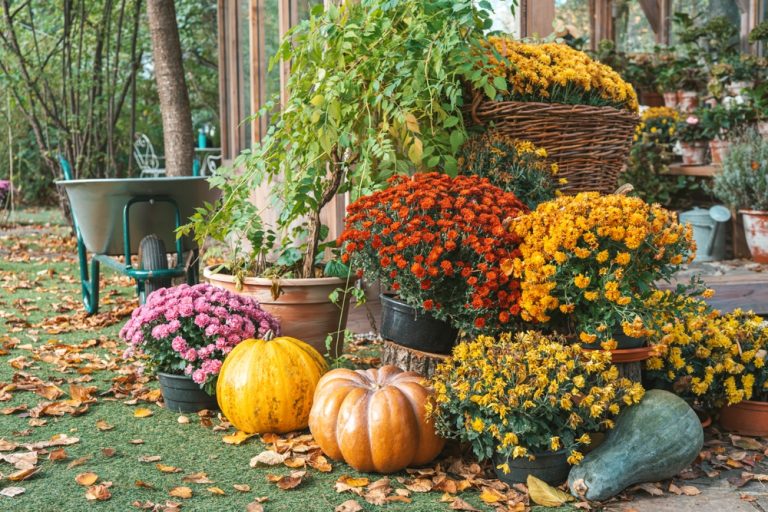
A garden can look wonderfully productive from a distance while quietly wasting money up close. Fall makes those disappointments much easier to spot because the growing season has finally handed over the receipts: Which plants produced plenty, which struggled all summer, and which seemed determined to occupy valuable space while contributing almost nothing? That makes…
7 Things Garden Centers Often Mark Down Before Fall
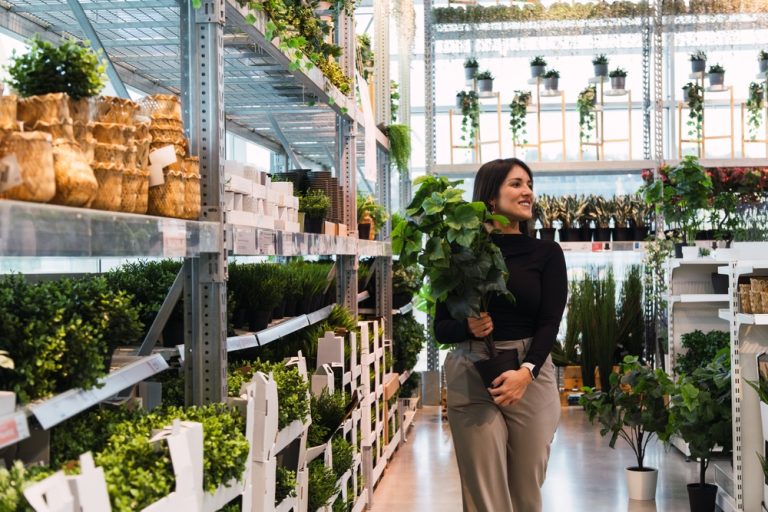
Garden centers start changing gears as summer winds down, and that shift can create some surprisingly good bargains. Plants that looked like premium purchases in June may suddenly land on the clearance rack, while pots, garden supplies, and seasonal merchandise can get price cuts as stores make room for fall inventory. That does not mean…
Should You Save Seeds From Grocery Store Produce? Sometimes It Works, Sometimes It Doesn’t
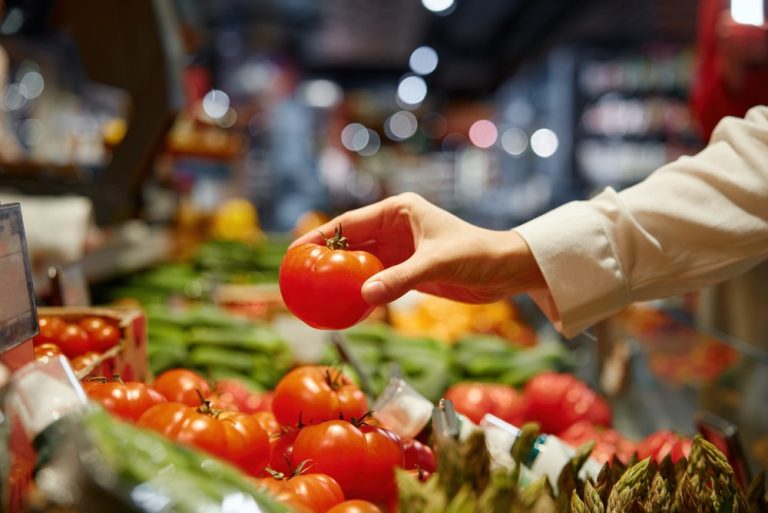
That tomato from the grocery store could become next summer’s tomato plant, but it could also become a very elaborate science experiment with leaves and no decent fruit. Grocery store produce sometimes contains perfectly viable seeds, yet the seed’s ability to grow tells only part of the story. The bigger question involves what kind of…
9 Popular Garden Purchases Frugal Gardeners Can Usually Skip

Gardening can turn into an expensive hobby remarkably fast. A few seed packets become a cart full of gadgets, specialty mixes, decorative containers, and tools that promise to make every tomato, flower, and cucumber perform like a champion. The good news is that plants rarely care how much money gets spent on them. A decent…
Your Garden Hose Could Be Quietly Adding to Your Water Bill
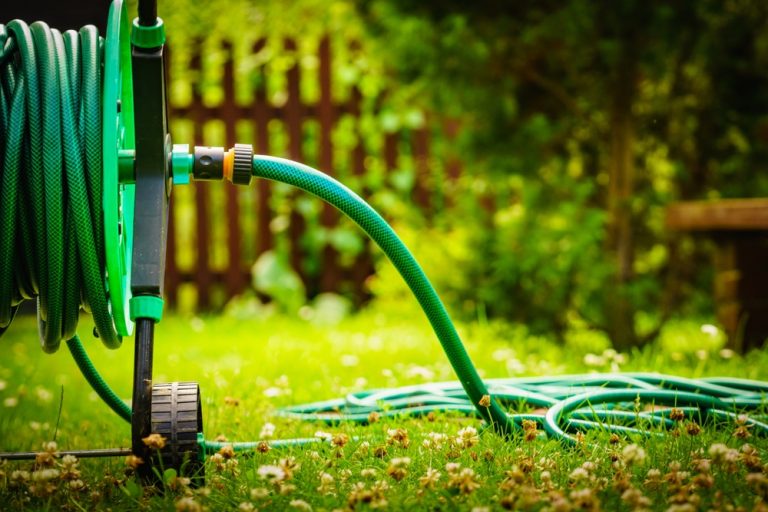
A garden hose can look perfectly innocent while quietly sending money down the drain. A worn washer, loose connection, damaged fitting, or hose left running longer than necessary can turn an ordinary watering session into an easy-to-miss source of water waste. The sneaky part comes from where many hose leaks happen: right at the spigot….
8 Garden Crops That May Not Save You Much Money at the Grocery Store
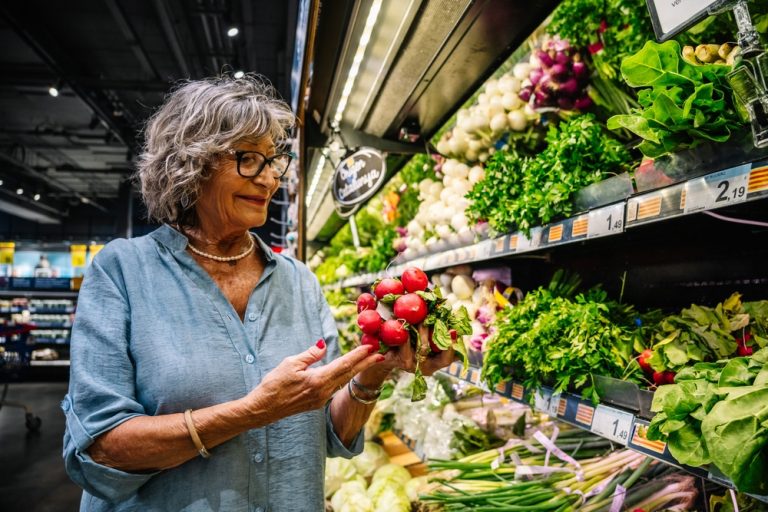
A vegetable garden can put fresh food within arm’s reach, but that does not automatically make every crop a bargain. Some vegetables demand lots of space, water, supports, containers, or a surprisingly long stretch of attention before they produce enough food to make a dent in the grocery bill. That does not make these crops…
10 Vegetables You Can Grow From Seed for Far Less Than Store-Bought Produce
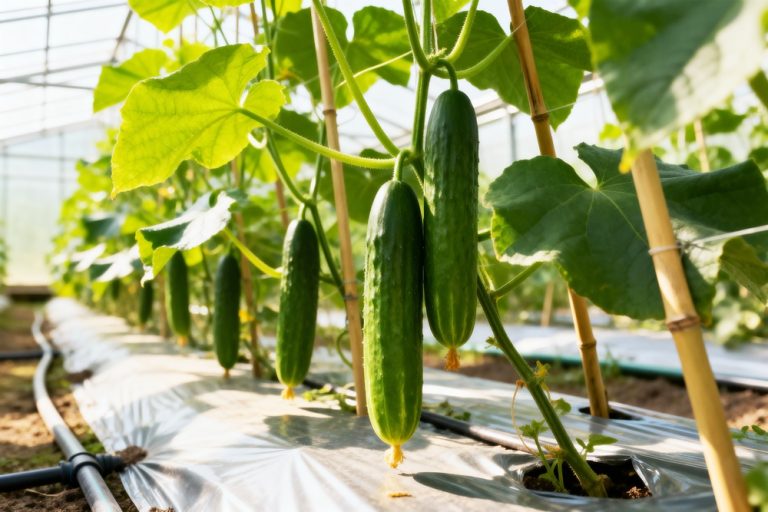
A packet of vegetable seeds can look almost comically small next to a grocery-store bag of produce, but those tiny seeds can turn into a surprisingly generous harvest. For gardeners watching their grocery budget, growing vegetables from seed often costs far less than buying the same produce week after week, especially when a single planting…
Should You Fertilize Before Winter? Some Plants Are Better Left Alone
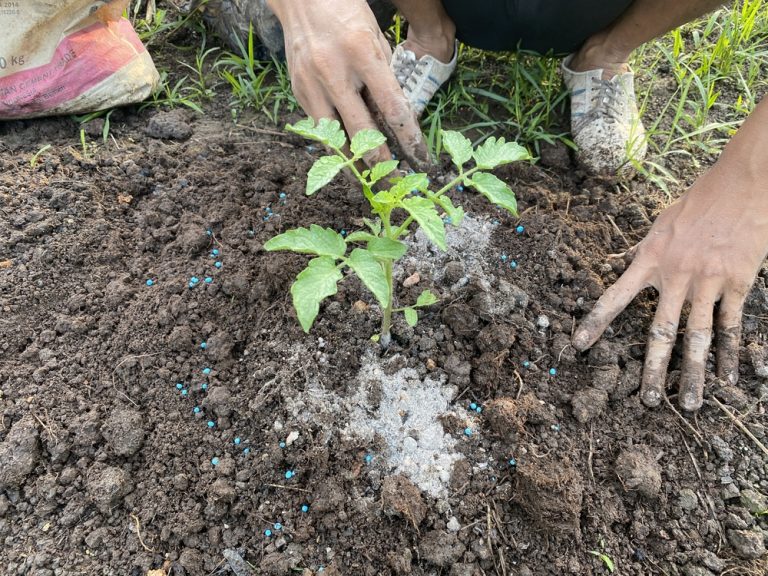
Fall creates a tempting gardening problem: the plants look tired, the weather cools down, and the fertilizer bag starts whispering, “One more feeding.” But fertilizing before winter does not automatically help plants survive the cold, and for some plants, late-season fertilizer can encourage exactly the kind of growth you do not want. It all comes…
8 Ways to Protect Your Garden From Heat Without Running Up the Water Bill
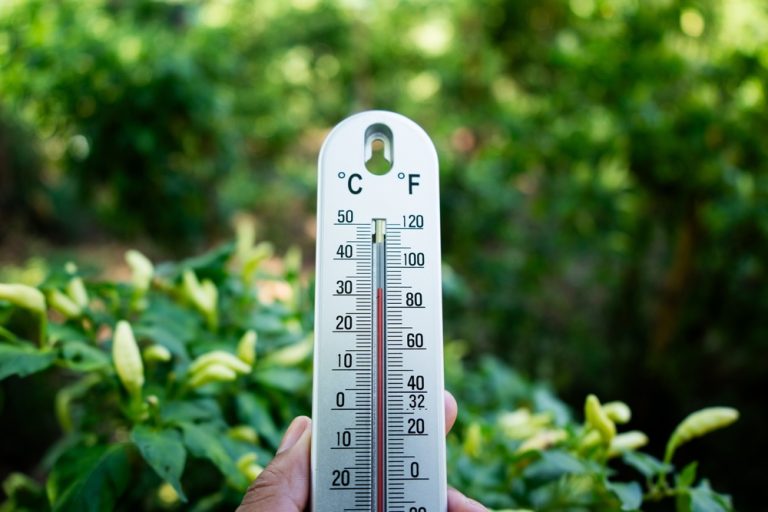
A heat wave can turn a productive garden into a collection of wilted leaves surprisingly fast, but cranking up the hose is not the only solution. A few changes to shade, soil, watering habits, and plant placement can reduce heat stress while helping every drop of water do more work. This involves protecting the moisture…