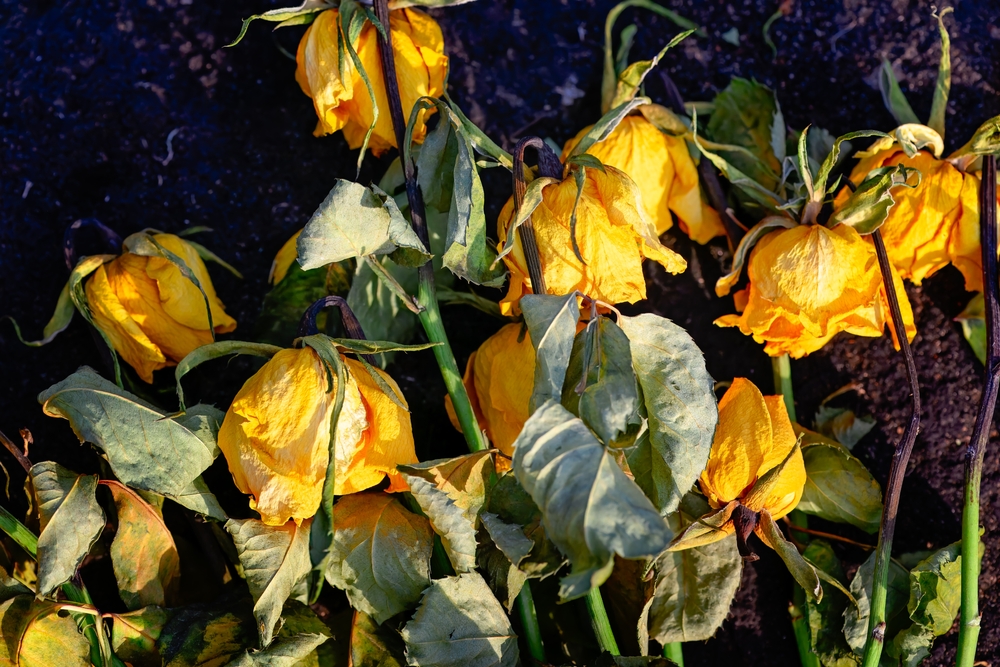
A struggling perennial does not wave a white flag. It sends signals. Drooping leaves, weak blooms, thin stems, and patchy growth rarely mean the plant has reached the end of the road. Most perennials carry far more resilience than gardeners realize. A plant that looks exhausted often simply asks for the right kind of attention at the right moment. Soil conditions, sunlight balance, watering habits, and root health all shape the outcome, and small adjustments can spark a dramatic turnaround.
Gardens thrive on energy and observation. A tired plant does not demand a funeral; it demands a strategy. With the right moves, many fading perennials bounce back with surprising strength, and sometimes they return even stronger than before.
The First Move: Figure Out What Your Plant Is Trying to Tell You
A perennial that struggles rarely does so without a reason. Leaves turn yellow, stems stretch awkwardly, blooms shrink, and growth slows down when something disrupts the plant’s rhythm. Those symptoms act like warning lights on a dashboard. The trick lies in reading the signals correctly before grabbing fertilizer or pruning shears.
Water issues cause many perennial problems. Too little water forces plants into survival mode, while too much water suffocates roots and encourages rot. Soil texture plays a major role here because heavy clay traps moisture while sandy soil drains quickly. A quick soil check often reveals the truth. Grab a handful of soil and squeeze it gently. If it forms a sticky lump that refuses to crumble, roots may struggle with excess moisture. If it falls apart instantly and feels dusty, the plant likely needs deeper watering sessions that soak the root zone.
Sunlight also changes the entire story. Some popular perennials crave full sun, including classics like Echinacea purpurea and Rudbeckia hirta, while others flourish in partial shade. A plant placed in the wrong light environment spends every season fighting uphill. Weak flowering and leggy growth usually signal that a sun-loving plant receives too little light. Scorched leaves and fading blooms often suggest the opposite problem.
Cut It Back to Bring It Back
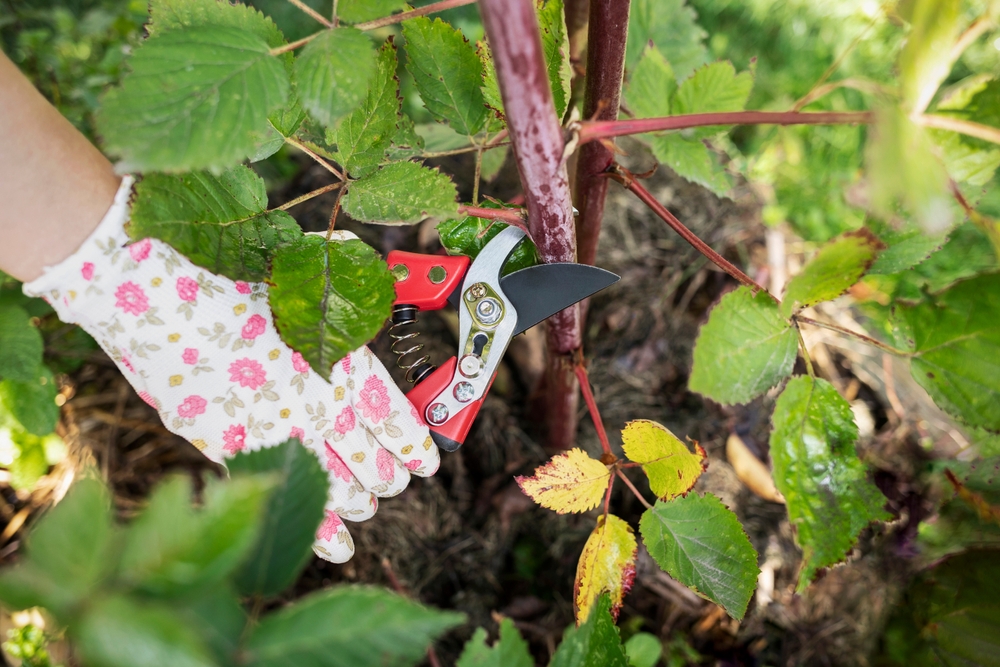
Pruning often feels dramatic, but many perennials respond to trimming with explosive new growth. Dead stems, weak branches, and spent flowers drain energy from the plant. A good haircut redirects that energy into fresh shoots and stronger blooms. Start by removing dead or damaged material. Crisp brown stems, shriveled leaves, and weak growth deserve immediate removal because they attract pests and diseases. Sharp, clean pruners make this job easier and protect the plant from unnecessary stress. Many gardeners hesitate during this step, yet a decisive trim frequently triggers a burst of vitality.
Certain perennials thrive after a more aggressive mid-season cutback. Plants such as Nepeta cataria and Salvia nemorosa often produce a second wave of blooms when gardeners trim them back by about one third after the first flowering cycle. That strategy encourages thicker growth and prevents the plant from collapsing under its own weight.
Deadheading also deserves attention. Removing spent flowers prevents the plant from wasting energy on seed production. Instead of funneling resources into seeds, the plant channels energy into new buds and foliage. A few minutes of careful trimming every week can transform a tired perennial into a blooming powerhouse.
Feed the Soil, Not Just the Plant
Plants thrive when soil works like a living ecosystem rather than a lifeless patch of dirt. Healthy soil holds nutrients, supports microbial life, and allows roots to expand freely. A struggling perennial often reflects tired soil rather than poor genetics. Compost offers one of the best solutions. A two-inch layer of compost around the base of a plant improves soil structure and delivers slow-release nutrients. Organic matter helps clay soil loosen up and allows sandy soil to retain moisture. That balance gives roots exactly what they need to grow stronger.
Mulch also plays a huge role in plant recovery. Organic mulch such as shredded bark or leaf mold protects soil moisture and regulates temperature. Roots experience fewer shocks during hot spells, and beneficial organisms thrive under that protective layer. The plant benefits from a stable environment rather than constant stress.
Fertilizer can help when used wisely. A balanced, slow-release fertilizer supports growth without overwhelming the plant with excess nutrients. Too much nitrogen encourages leafy growth but weakens flowering, so moderation matters. The goal involves steady support rather than a sudden burst of artificial energy.
Divide and Conquer: The Secret Weapon for Aging Perennials
Perennials grow larger every year, but crowded roots eventually start competing with each other. A plant that once flourished may suddenly look tired because its root system has run out of space and nutrients. Division solves that problem while creating new plants at the same time. Many perennials benefit from division every three to five years. Plants such as Hosta plant and Daylily respond especially well to this process.
Start by digging up the entire plant carefully. A sharp spade or garden fork loosens the soil around the root ball. Once the plant lifts out of the ground, the root system usually reveals natural sections. Those sections can be gently separated and replanted in fresh soil with room to grow. Division reinvigorates aging plants because each new section gains access to fresh nutrients and space. Growth becomes stronger, blooming improves, and the plant regains its natural vigor. Garden beds also benefit from better spacing and airflow, which reduces the risk of fungal diseases.
Water Like a Gardener, Not a Firefighter
Water keeps plants alive, but watering habits often create more problems than drought itself. Many gardeners rely on quick, frequent sprinkling, which encourages shallow roots and fragile plants. Deep watering produces stronger results. A slow, thorough soak allows water to penetrate deep into the soil where roots actually grow. That method encourages plants to extend their root systems downward rather than hovering near the surface. Strong roots anchor the plant and help it survive heat and dry spells.
Morning watering delivers the best results. Early moisture allows leaves to dry quickly as the sun rises, which reduces the risk of fungal disease. Evening watering can leave foliage damp overnight, and that damp environment invites problems. Consistency matters just as much as quantity. Plants dislike dramatic swings between bone-dry soil and sudden flooding. A steady watering schedule helps perennials maintain stable growth and reduces stress that leads to wilting or yellowing leaves.
The Comeback Garden Starts With Small Fixes
A perennial that looks finished rarely tells the full story. Most struggling plants sit only a few small adjustments away from recovery. Better soil, smarter pruning, deeper watering, and occasional division can transform a fading plant into a garden standout.
Gardens reward patience and curiosity. Every struggling perennial offers a chance to learn something new about soil health, plant behavior, and seasonal rhythms. That knowledge turns ordinary maintenance into a satisfying puzzle that evolves every year.
Which perennial in your garden currently looks like it needs a comeback season? Drop thoughts, tips, or plant-rescue stories in the comments and share what strategies have worked best.
You May Also Like…
March Is A Good Time to Divide Perennials (Depending on Your Zone)
7 Perennials That Multiply Without Extra Care
How to Safely Move Perennials Before the Ground Freezes
The Perennials You Should Split and Move Right Now
11 Perennials That Should Always Be Mulched in Fall

Brandon Marcus is a staff writer for FrugalGardening.com at District Media, Inc., where he delivers practical gardening advice with a relatable, no-nonsense style. An avid amateur gardener, he holds a BA degree and with over ten years of professional writing experience, he is also an award-winning published author whose first book, Questions For Deep Thinkers, was released by Adams Media. His work has appeared in major publications including Fandom.com, CHUD.com, TheColdWire.com, and Fansided.com.
Leave a Reply