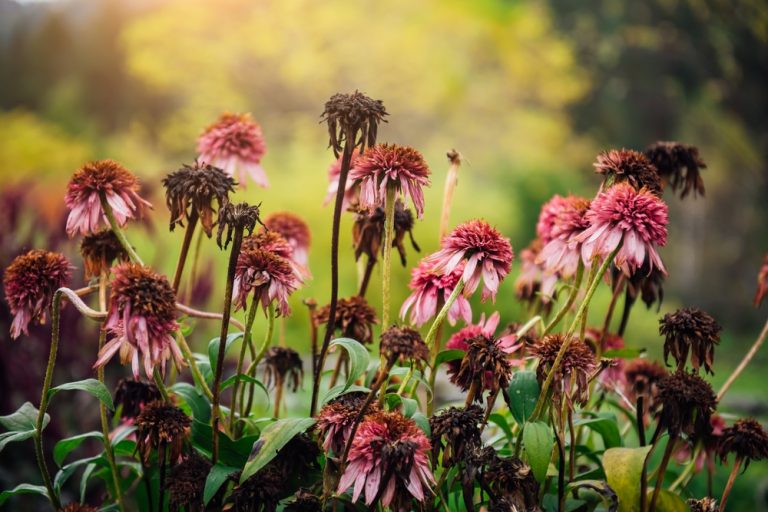
That “dead” garden plant may look like it has officially clocked out for the season, but resist the urge to grab the pruners just yet. Many perennial stems and seed heads can serve a useful purpose through winter, giving wildlife shelter, feeding birds, protecting the plant itself, and making spring cleanup more productive. A garden…
gardening
Don’t Compost These 7 Plants When You Clean Out the Garden This Fall
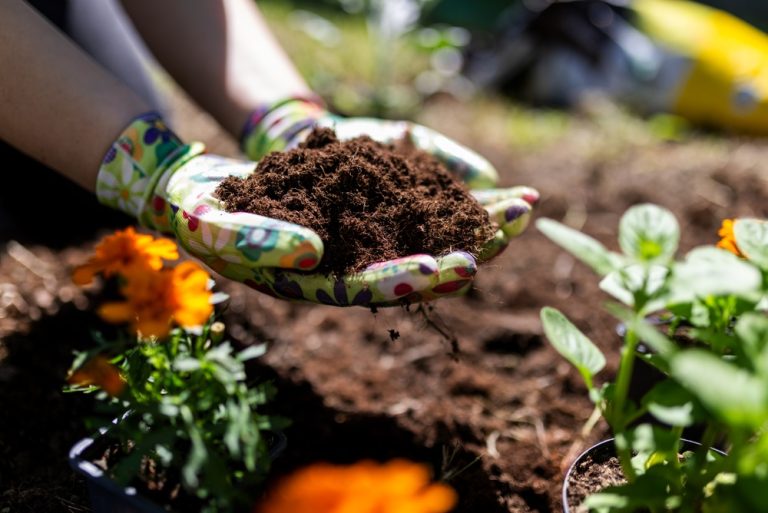
Fall garden cleanup creates a mountain of tempting compost material, but not everything that came out of the garden belongs in that pile. Some plants can carry diseases, spread from stubborn pieces of root, or dump a fresh crop of weed seeds into the compost you plan to use next year. That does not mean…
Bought Seeds Online From an Unknown Seller? USDA Says Don’t Plant Them Until You Check This
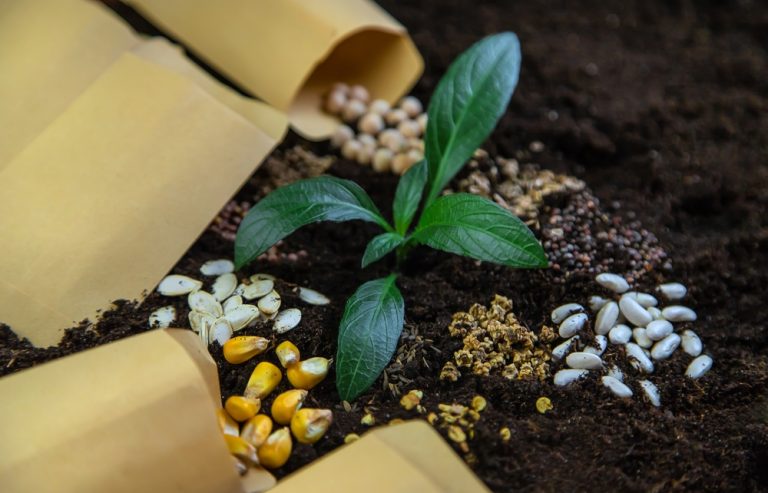
That packet of unusual flower or vegetable seeds from an unfamiliar online seller might look like a bargain, but the USDA has a very good reason for telling gardeners to pump the brakes. Before planting seeds bought online, check where they came from and whether they meet U.S. import requirements. That matters even more when…
Growing Your Own Food Doesn’t Always Save Money—Here’s When It Actually Does
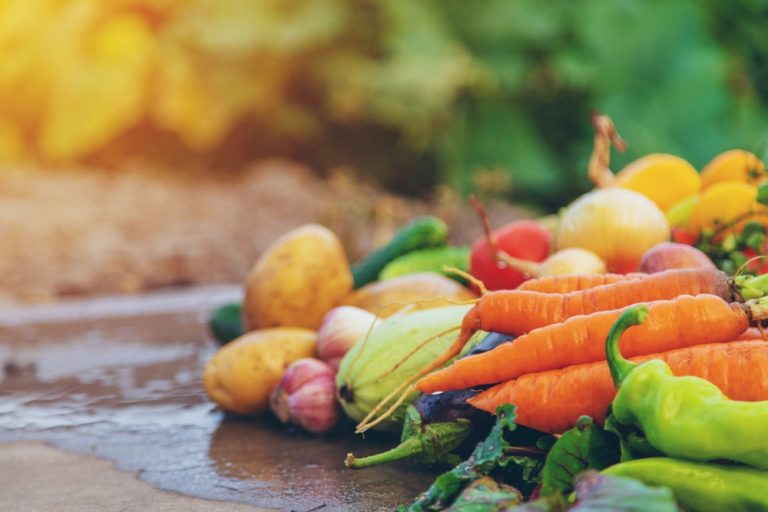
Growing your own food can save money, but a garden does not automatically turn a grocery bill into pocket change. Seeds cost money, soil amendments cost money, containers cost money, and that adorable little tomato plant at the garden center somehow knows exactly how to make a gardener spend more money. A garden can absolutely…
7 Seeds You May Be Better Off Buying Fresh Next Year

Not every seed packet deserves a long retirement in the back of the garden drawer. Some vegetable seeds lose germination power much faster than others, which means an old packet can turn next spring’s carefully planned garden into a patchy experiment in optimism. That does not mean every seed left over from this season has…
Should You Buy Garden Supplies Now or Wait Until Spring?

Garden shopping has an odd little calendar of its own. September and October can bring clearance prices on tools, pots, hoses, raised-bed supplies, and other gear as stores make room for the next season, while spring brings fresh inventory and plenty of choices. The smartest answer usually involves doing both, rather than filling the garage…
9 Seeds Worth Saving From Your Garden Before the Season Ends
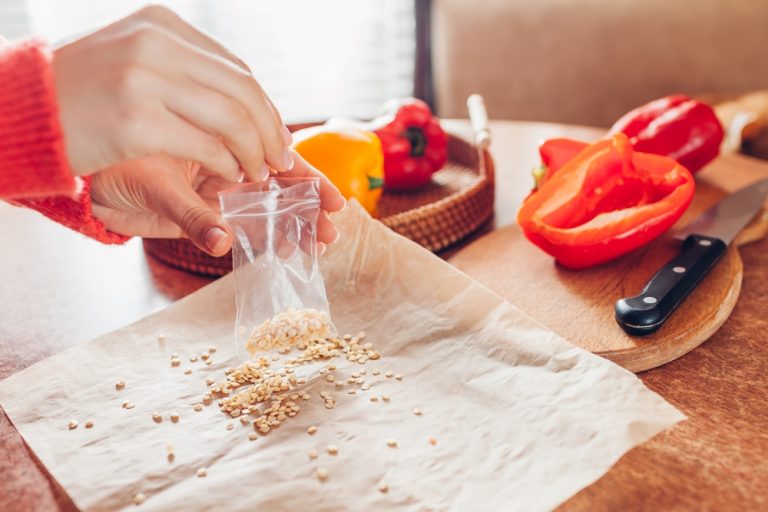
Garden season may be winding down, but some of its best souvenirs hide inside the vegetables and flowers already growing outside. Saving seeds lets gardeners carry favorite varieties into another growing season, and it can turn one especially delicious tomato, sturdy bean plant, or gorgeous flower into next year’s starting lineup. Not every seed deserves…
You Could Start Next Year’s Garden Now Without Spending Much at All

Next year’s garden can start long before the first seed packet hits the shopping cart. In fact, some of the best preparation happens when this year’s garden still has plenty going on, because fall offers free materials, mature seeds, fallen leaves, fading plants, and plenty of opportunities to set up a better growing season without…
8 Ways to Make This Year’s Garden Supplies Last Another Season

Garden supplies do not have to become annual purchases. A little cleaning, smart storage, and timely maintenance can keep tools, containers, hoses, stakes, and other hardworking gear ready for another round instead of sending them to the trash. The savings feel satisfying, but longevity also makes gardening easier. There is nothing charming about discovering a…
Those Dead Summer Plants May Still Have Value Before They Reach the Trash

A brown tomato plant, crispy basil, or collapsed annual flower can look like garden garbage, but the end of a plant’s season does not necessarily mean the end of its usefulness. Before those tired stems land in a trash bag, gardeners can often turn them into compost, save their seeds, create habitat, or return valuable…