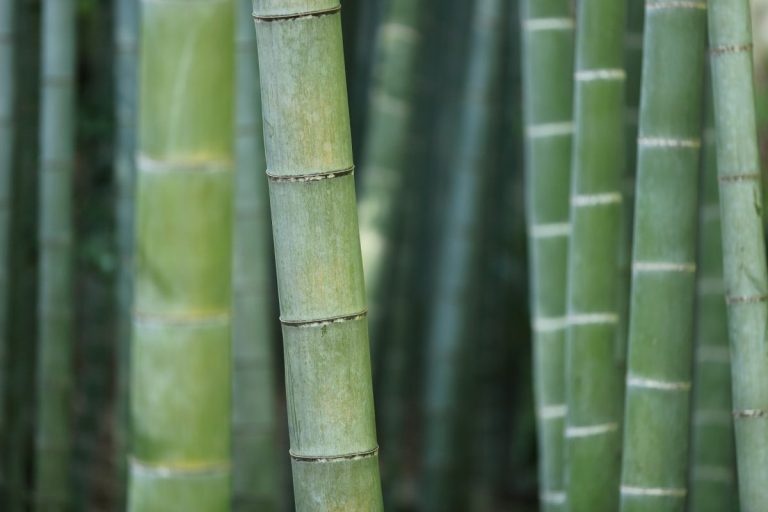
A beautiful yard can boost curb appeal, increase property value, and create an outdoor space that feels welcoming year-round. However, not every attractive plant makes a good neighbor to a house. Some species hide an aggressive side below the soil, where roots spread far beyond what most homeowners expect. Foundation repairs can cost thousands of…
gardening
Why So Many Gardeners Are Ditching Traditional Lawns in 2026
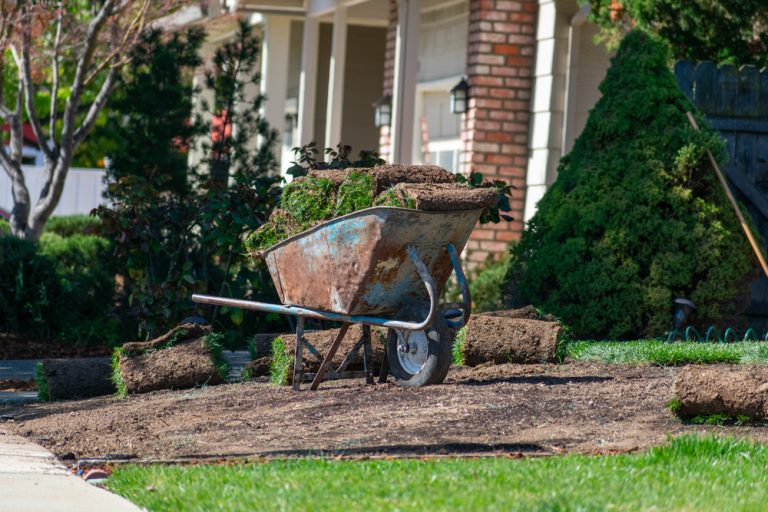
Across neighborhoods in 2026, something unusual is happening in plain sight. Perfect green lawns no longer dominate curb appeal contests the way they once did. Instead, homeowners are swapping grass-heavy yards for creative, practical, and environmentally smart landscapes. These changes reflect more than design trends because they also reveal shifting priorities around cost, time, and…
8 Foods You Can Regrow From Grocery Store Scraps
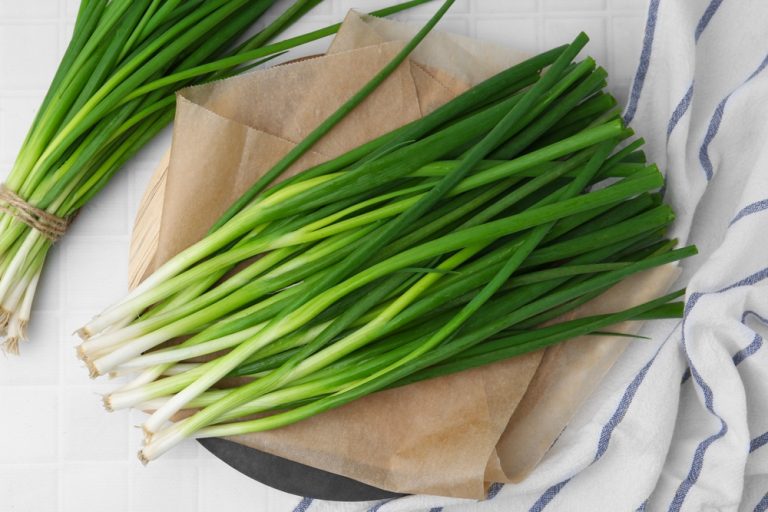
Fresh food does not always need a seed packet, a garden center trip, or a complicated setup. Some of the most useful ingredients in the kitchen can grow again right from leftover scraps sitting on the cutting board. This simple approach turns food waste into fresh produce and stretches grocery dollars further than most people…
Why More Americans Are Growing Potatoes Again
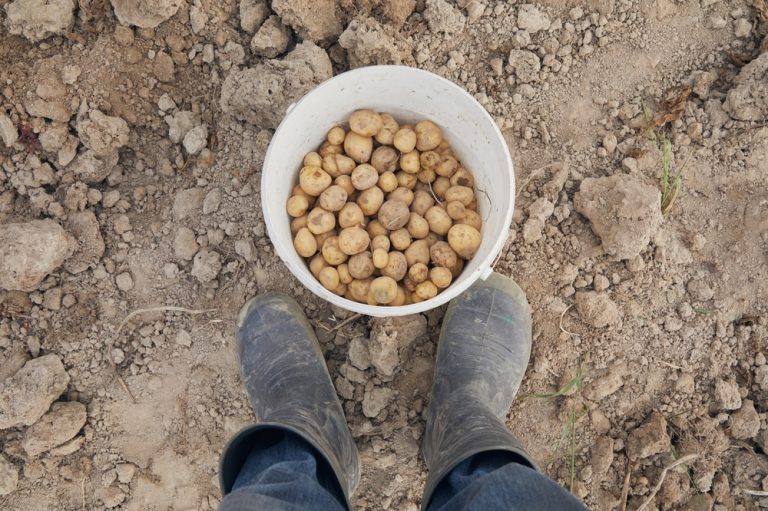
Potatoes are quietly staging a comeback in backyards, patios, and even balcony containers across the United States, and the reasons reach far beyond nostalgia for old-fashioned gardening. Rising grocery prices, a growing interest in food independence, and the surprising ease of growing this crop all play a major role in the trend. Many households now…
7 Things You Should Never Put in Your Compost Bin
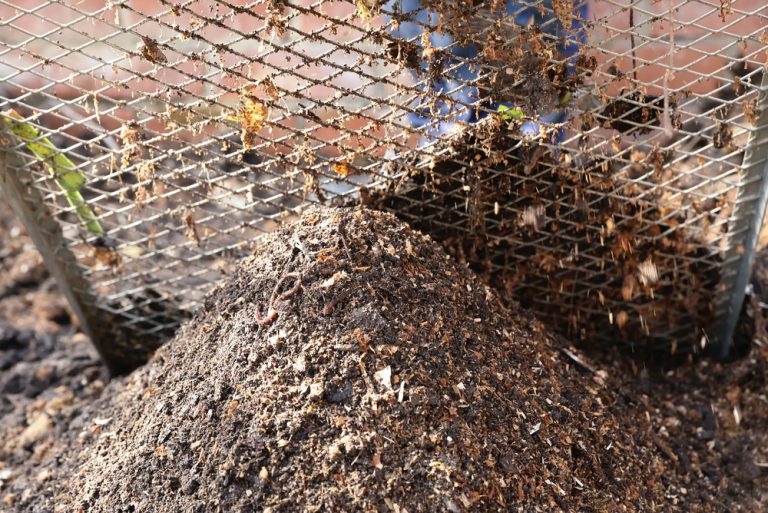
Composting turns everyday kitchen and yard scraps into nutrient-rich soil, but the wrong additions can quickly flip that success story upside down. A single poor choice can invite pests, slow decomposition, or even introduce harmful pathogens into the mix. Many gardeners focus on what to add, yet the real secret often lies in what gets…
The Gardening Mistake That Can Ruin an Entire Harvest Overnight
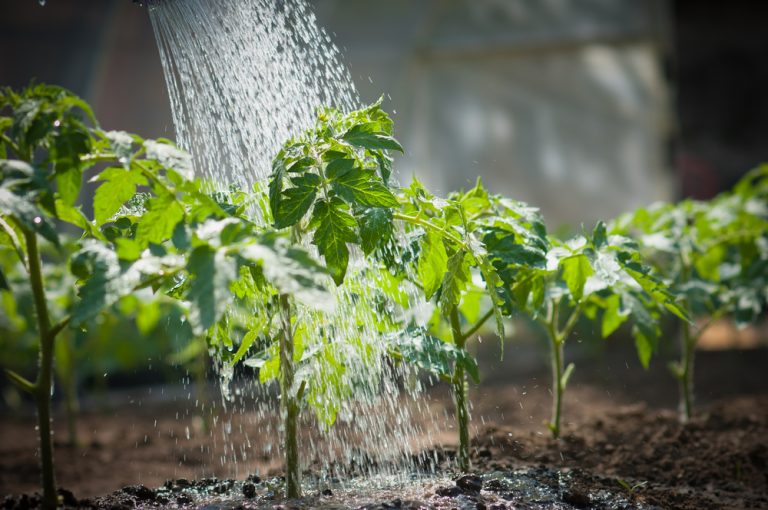
A garden can look perfectly calm in the evening and turn into a disaster by morning. One overlooked mistake often triggers sudden crop loss that leaves gardeners frustrated and confused. Many plants collapse overnight because conditions shift faster than most people expect. Small decisions made late in the day can set off a chain reaction…
8 Plants That Can Help Keep Ticks Away From Your Yard
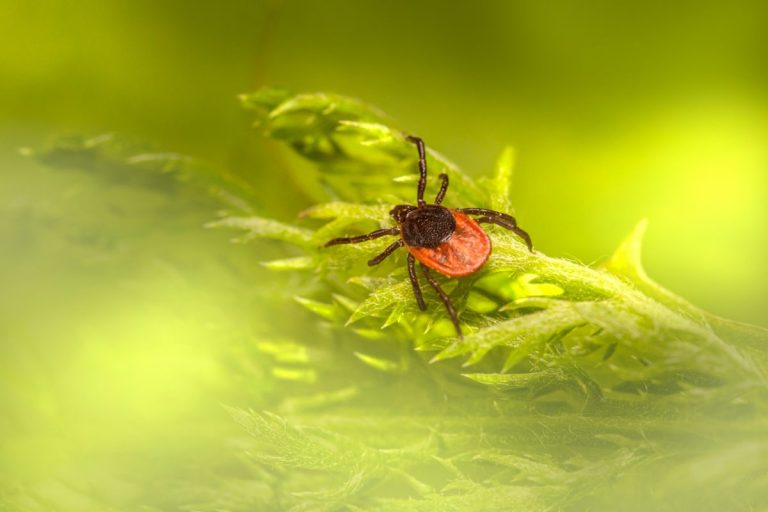
A yard should feel like a place to relax, not a place where hidden pests wait in the grass. Ticks love shaded, damp, overgrown spaces, especially where tall weeds and dense ground cover create the perfect hiding spots. The good news is that certain plants can help make your outdoor space less inviting for these…
9 Flowers That Secretly Help Your Vegetable Garden Grow Better
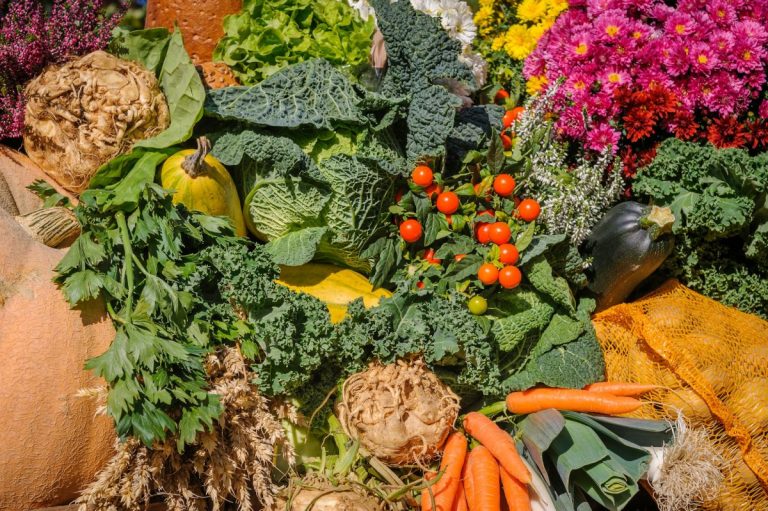
A vegetable garden does far more than produce food when the right flowers join the mix. Certain blooms quietly work behind the scenes to repel pests, attract helpful insects, and improve soil conditions. Gardeners who mix flowers with vegetables often notice stronger harvests and fewer pest problems. These floral helpers also bring color, fragrance, and…
The Heatwave Gardening Mistake Experts Keep Warning About
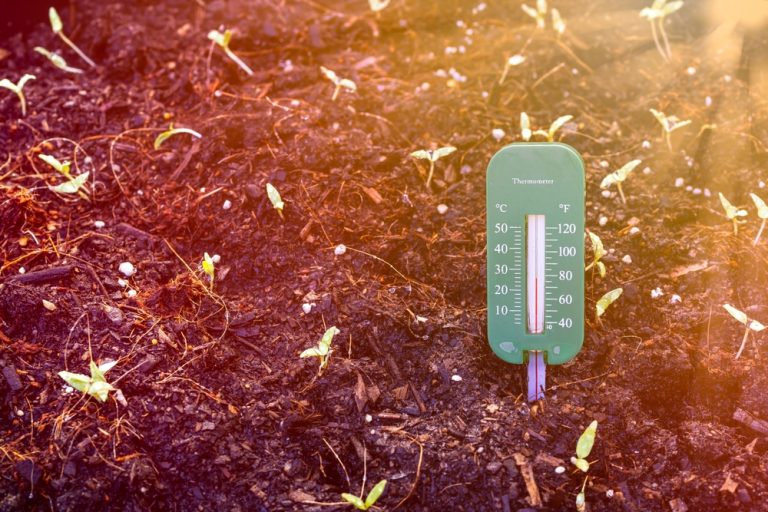
Heatwaves don’t just make people uncomfortable; they push gardens to their breaking point in record time. One wrong move can turn lush green leaves into crispy, wilted disappointment within hours. Many gardeners assume plants only need extra water during extreme heat, but timing, method, and soil conditions matter just as much. Experts consistently point to…
10 Cheap Plants That Make Your Yard Look Professionally Landscaped
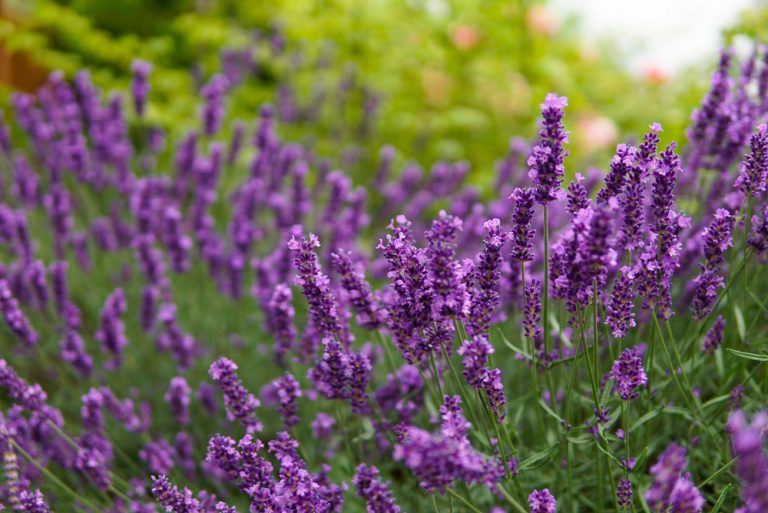
A polished, designer-looking yard does not require a luxury budget or a professional crew. Smart plant choices can instantly elevate curb appeal and create structure, color, and balance across any outdoor space. Many affordable plants deliver that “finished landscape” look without demanding constant care or expensive upkeep. The secret lies in choosing varieties that spread…