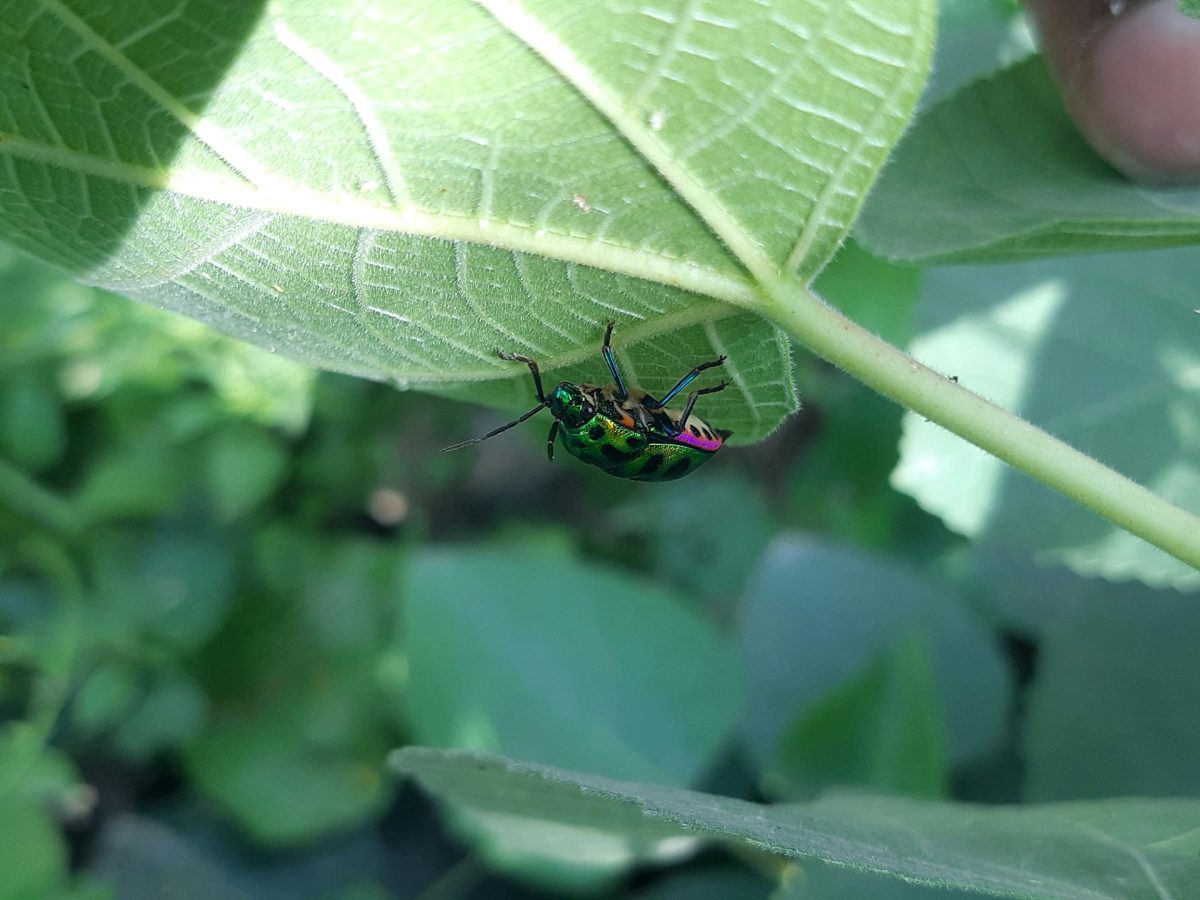
Gardens buzz with life, but not all visitors are welcome. Some nibble leaves, suck juices, and generally wreak havoc, turning a lush patch of greens into a battlefield. Instead of reaching for chemical sprays, gardeners can harness the natural power of plant partnerships. Certain plant duos can repel pests, attract beneficial insects, and even boost growth, transforming ordinary beds into thriving, self-protecting ecosystems. It’s like giving your garden a built-in security system and growth accelerator all at once.
These plant pairings create micro-environments that confuse insects, while others release scents that ward off hungry bugs. Pairing isn’t a gimmick; it’s a strategic dance that taps into the biology of plants and pests alike. The results? Healthier plants, higher yields, and a garden that feels almost magical.
1. Dynamic Duos: The Art of Strategic Pairing
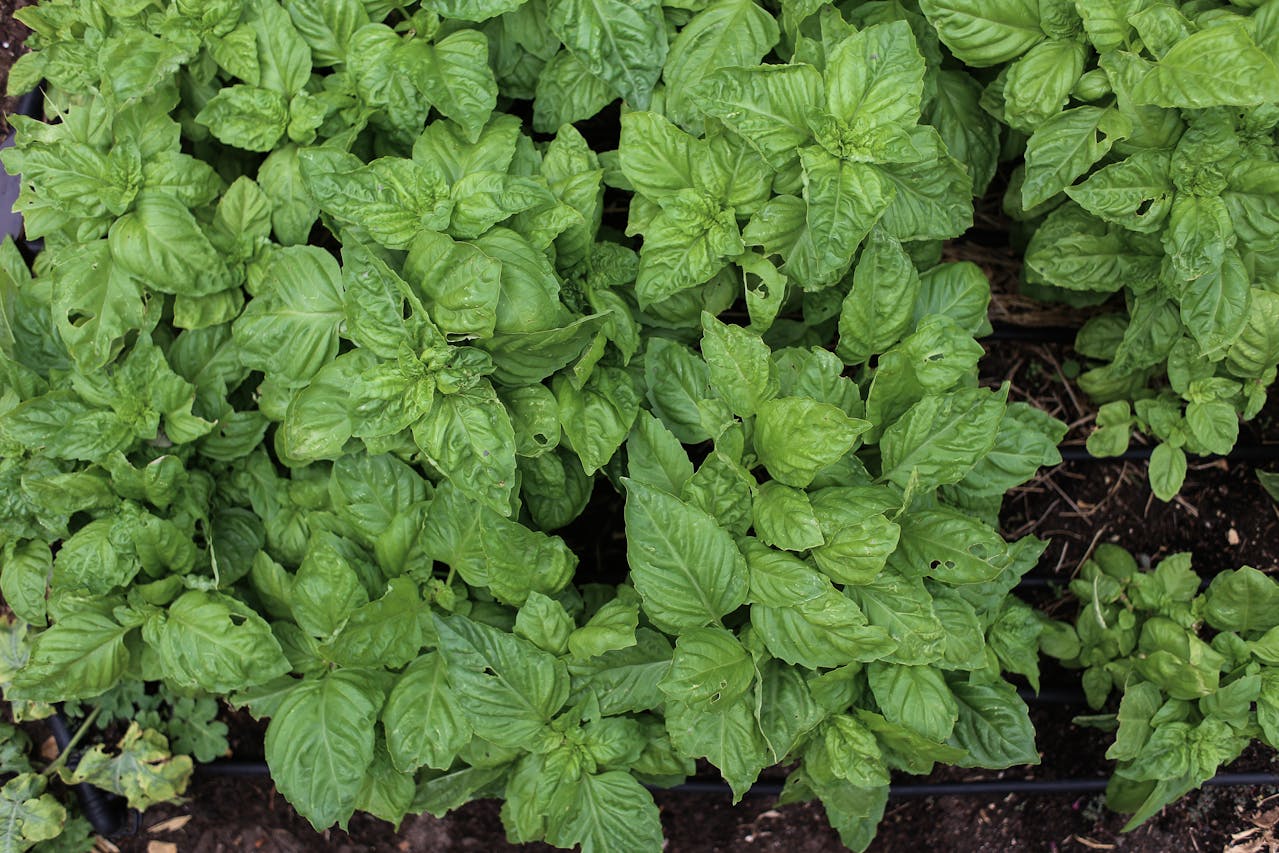
Certain plants belong together like peanut butter and jelly, but with a green twist. Take tomatoes and basil. Planting these two together doesn’t just smell amazing; basil helps repel whiteflies, aphids, and spider mites while tomatoes provide structure and a sunny microclimate for basil. Carrots and onions also make a striking duo: the strong onion aroma keeps carrot flies at bay, while carrots help loosen the soil around onion bulbs. Pairings like these create a garden that fights back, reducing the need for chemical interventions while improving yields naturally.
Beyond the common pairings, thinking a little outside the box can yield surprising results. Marigolds planted among peppers and cucumbers release compounds that repel nematodes and harmful beetles, while attracting pollinators at the same time. Nasturtiums act as living traps, luring aphids and whiteflies away from more valuable vegetables. Even a small patch of herbs like rosemary or thyme can deter unwanted visitors while enriching soil health and flavor profiles for nearby crops. Every decision becomes a tiny experiment with measurable rewards, encouraging gardeners to observe, adjust, and celebrate their victories in real time.
2. Flowers That Fight Back: Blooming Allies in the Garden
Flowers aren’t just for decoration—they are frontline defenders in disguise. Calendula, also known as pot marigold, lures predatory insects that devour aphids and caterpillars while brightening the garden with golden hues. Sunflowers, towering and cheerful, serve as decoys for aphids and provide perches for beneficial insects like ladybugs and lacewings. This combination of visual appeal and natural pest control turns a garden into a living, breathing ecosystem that functions more efficiently with every bloom.
Interplanting flowers with vegetables can also improve pollination and soil health. Borage is famous for attracting bees and boosting the growth and flavor of tomatoes and squash. Similarly, nasturtiums not only act as pest magnets but also enrich the garden soil with vital nutrients when left to decompose. By considering flowers as more than ornamental accents, gardeners can build layers of protection, food, and habitat all at once. The result is a garden that feels alive in every sense, thriving with color, fragrance, and a natural balance that keeps pests in check without ever touching synthetic sprays.
3. Herbs That Hold the Line: Aromatic Powerhouses
Herbs pack a punch when it comes to pest control and growth promotion. Dill, for instance, attracts predatory wasps that hunt caterpillars and aphids, creating a natural defense force without lifting a finger. Mint, when carefully managed to prevent overgrowth, can repel ants and aphids, making it a tactical addition near susceptible crops like tomatoes and cabbage. Chives and garlic release sulfur compounds that act as natural fungicides and insect deterrents, protecting vegetables from infestations and infections simultaneously.
The magic of herbs lies in their dual role. Beyond pest control, they enhance flavor, provide culinary variety, and encourage beneficial insect biodiversity. Strategically planting herbs alongside crops encourages pollination, improves soil aeration, and even supports microfauna that enrich the soil ecosystem. Choosing the right herbs for the right neighbors transforms a simple garden into a vibrant, multifunctional landscape that works hard without constant human intervention. When combined thoughtfully, herbs act like a natural security system and a growth booster rolled into one fragrant package.
4. Leafy Guardians: Vegetables That Protect Each Other
Vegetables themselves can be exceptional allies. Corn, beans, and squash form the classic “Three Sisters” trio, supporting one another physically and biologically. Corn provides a sturdy pole for climbing beans, beans fix nitrogen into the soil, and squash’s broad leaves shade the soil, reducing weeds and retaining moisture. Similarly, planting spinach near strawberries can reduce aphid infestations, while lettuce grown next to carrots benefits from the carrot’s soil-loosening action. These combinations leverage nature’s inherent synergies, creating a garden where each plant has a purpose beyond its own growth.
Rotating vegetables within these partnerships further strengthens pest resistance and improves yields over multiple seasons. Root diversity, spacing, and timing become tools to manage both pests and soil fertility naturally. Plants with complementary growth habits reduce competition for light and nutrients, while aromatic or flavorful companions mask the scent profiles that attract pests. By thinking of vegetables not as isolated individuals but as team players, gardeners can design productive spaces that maximize space, minimize losses, and delight the senses with lush, healthy abundance.
Building a Garden That Works With Nature
Effective gardens thrive on collaboration—between plants, insects, and gardeners. Strategic pairings reduce the need for chemicals, improve yields, and make every plot a dynamic, engaging ecosystem. Combining flowers, herbs, and vegetables with complementary traits provides multiple layers of defense, improves pollination, and encourages soil vitality. Every decision about who grows next to whom matters, and experimenting with new combinations can turn each season into a rewarding puzzle of color, scent, and flavor.
What new combinations could transform your garden this season? We want to know all of your ideas, successes, or favorite pairings in the comments below.
You May Also Like…
March Garden Pests That Show Up Before You Notice the Damage
A DIY Pest Spray That Costs Just Pennies
5 Bugs in Your Garden That Could Be Destroying Your Home’s Foundation
7 Innocent-Looking Shrubs That Harbor Invasive Insects
How to Grow Herbs Without Buying Starters

Brandon Marcus is a staff writer for FrugalGardening.com at District Media, Inc., where he delivers practical gardening advice with a relatable, no-nonsense style. An avid amateur gardener, he holds a BA degree and with over ten years of professional writing experience, he is also an award-winning published author whose first book, Questions For Deep Thinkers, was released by Adams Media. His work has appeared in major publications including Fandom.com, CHUD.com, TheColdWire.com, and Fansided.com.
Leave a Reply