
Soil decides the fate of every garden long before the first tomato ripens or the first flower opens. Plants pull nutrients from soil like diners choosing dishes from a buffet, yet the menu changes completely when pH drifts too high or too low. A perfectly fertilized garden still struggles when the soil blocks those nutrients, and pH often plays the role of silent troublemaker. Leaves yellow, growth slows, and plants look tired even though the soil holds plenty of food. Gardeners who understand soil pH unlock a powerful advantage because they control the chemistry beneath every root.
Natural fixes work surprisingly well, and they restore balance without harsh chemicals or complicated tools. Healthy soil rewards patience, observation, and a few clever strategies that work with nature instead of against it. Once pH falls into the sweet spot, plants respond with stronger growth, deeper color, and harvests that finally live up to expectations.
When Soil Chemistry Throws a Tantrum
Plants send clear signals when soil pH slides out of balance, although those signals often confuse gardeners at first glance. Leaves may turn pale even though fertilizer went down only weeks earlier, and growth may stall without any obvious pest damage. Soil pH controls how easily plants absorb nutrients such as nitrogen, phosphorus, and potassium, which means plants sometimes starve in nutrient-rich soil simply because chemistry blocks the door. Heavy rainfall slowly pushes soil toward acidity, while limestone-rich regions naturally lean alkaline. Grass clippings, compost, and organic matter influence pH gradually, but years of neglect or heavy fertilizer use may push soil further away from balance. Gardeners who notice sluggish growth, purple leaves, or weak flowering should consider pH as a likely suspect. A simple soil test reveals the truth quickly and removes the guesswork from every future decision.
Testing soil sounds complicated, but modern kits simplify the process dramatically. Many garden centers sell affordable pH test kits that require nothing more than a small soil sample and a few minutes of patience. Some gardeners also send samples to agricultural extension labs because those labs provide detailed breakdowns of nutrients and pH levels. Numbers on that report tell a story about the soil’s personality and reveal whether acidity or alkalinity causes trouble. Once the test exposes the problem, natural solutions step in with quiet effectiveness. Gardeners who work steadily with soil amendments see long-term improvements instead of quick but temporary fixes.
Turning Down the Acidity Without Chemicals
Highly acidic soil often frustrates vegetable gardeners because many crops struggle when pH drops too far below six. Carrots twist into odd shapes, lettuce grows slowly, and beans refuse to thrive in overly sour soil. Lime offers one of the most reliable natural tools for raising pH and calming acidity.
Ground limestone introduces calcium carbonate into the soil, which neutralizes excess acidity and nudges pH toward a healthier balance. Gardeners spread lime across the soil surface and gently mix it into the top layer during fall or early spring.
Soil organisms gradually break down the lime and carry the benefits deeper into the root zone. Patience plays a key role here because pH shifts slowly rather than overnight. Consistent monitoring helps gardeners track progress and avoid adding too much.
Wood ash also earns a place in the natural soil-balancing toolkit. Ash from untreated firewood contains potassium and calcium compounds that help neutralize acidic soil while feeding plants at the same time. Gardeners sprinkle small amounts across garden beds and lightly mix the ash into the soil surface. Too much ash pushes soil toward alkalinity, so careful application keeps the chemistry stable.
Compost rich in vegetable scraps and plant matter also softens acidic conditions by adding buffering organic material. Earthworms and microbes digest that compost and distribute nutrients throughout the soil profile. A garden that receives regular compost gradually develops stronger structure, better moisture retention, and more balanced pH conditions. Healthy soil life creates the kind of stability that keeps acidity from swinging wildly again.
Calming Down Overly Alkaline Soil
Alkaline soil presents its own set of headaches because it locks away nutrients such as iron and manganese. Plants growing in high-pH soil often display yellow leaves with green veins, a condition known as chlorosis. Gardeners frequently mistake that symptom for fertilizer deficiency, yet the real culprit often lies in the soil’s chemistry. Sulfur provides one of the most effective natural methods for lowering soil pH and restoring balance.
Soil bacteria convert elemental sulfur into sulfuric acid through natural biological processes, which gradually lowers the pH level. Gardeners spread sulfur sparingly and allow microbes to handle the transformation over several weeks or months. That slow change prevents sudden shocks that might harm plants or beneficial organisms.
Organic matter also works wonders in alkaline conditions. Compost, leaf mold, and well-rotted manure introduce mild acidity while boosting microbial life and soil texture. Microbes break down organic material and release gentle organic acids that slowly shift soil chemistry in the right direction.
Pine needles, shredded oak leaves, and peat moss also contribute slight acidity while enriching the soil structure. Gardeners who layer organic material across beds each season create a living soil system that resists extreme pH swings. Mulching plays a supporting role by protecting soil microbes and keeping moisture levels steady.
Compost: The Quiet Hero of Soil Balance
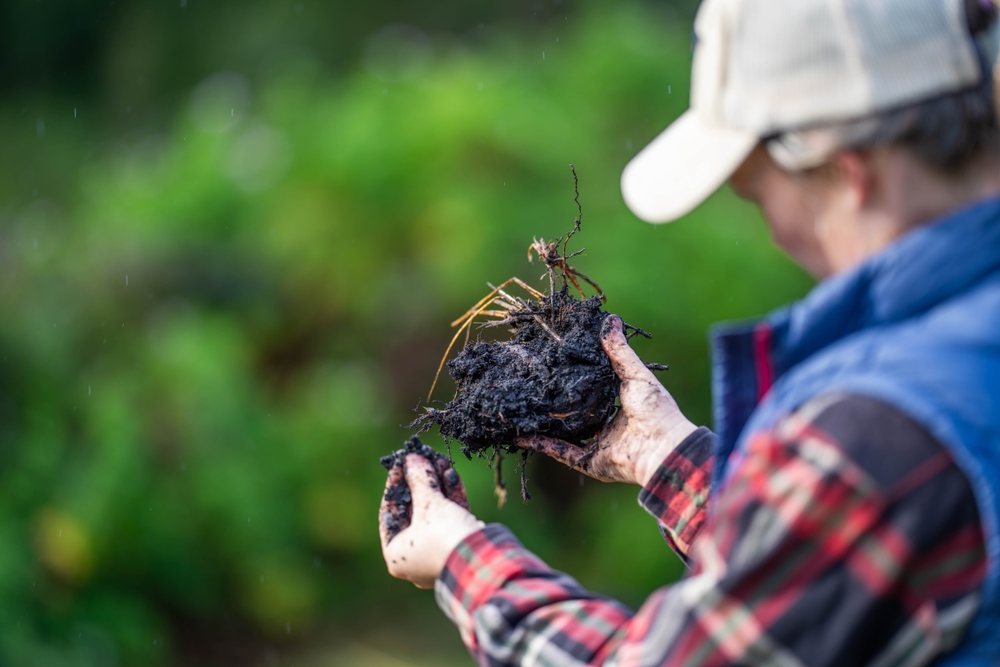
Compost deserves special attention because it influences nearly every aspect of soil health, including pH stability. Rich compost acts like a buffering agent that prevents soil from drifting too far toward acidity or alkalinity. Garden beds filled with organic matter develop stronger microbial communities that constantly process nutrients and maintain balance.
Those microbes perform chemical transformations that release nutrients in forms plants can actually absorb. Gardeners who add compost regularly notice stronger plant growth even before adjusting pH directly. Dark, crumbly compost also improves drainage while helping soil retain moisture during dry spells.
Composting also turns everyday kitchen scraps and yard waste into powerful garden fuel. Vegetable peels, coffee grounds, grass clippings, and fallen leaves transform into nutrient-rich humus after several months of decomposition.
That humus stabilizes soil chemistry and reduces the need for synthetic fertilizers. Gardeners who maintain a compost pile gain a constant supply of organic material that feeds soil life year after year. Balanced soil supports stronger plants that resist disease and produce higher yields. The garden begins to operate as a small ecosystem where microbes, worms, and plants cooperate to maintain harmony underground.
The Real Secret Lies Beneath the Surface
Successful gardens rarely depend on luck. Soil pH management rewards curiosity, patience, and a willingness to nurture the ground beneath every plant. Natural amendments such as lime, sulfur, wood ash, and compost gently steer soil chemistry toward balance without damaging the ecosystem that supports plant life.
Gardeners who test soil regularly and add organic matter steadily build stronger soil each season. Plants respond quickly once nutrients become available again, and the garden transforms from sluggish to vibrant.
Healthy soil encourages deeper roots, stronger stems, and harvests that actually match the promise printed on seed packets. Small adjustments made over time create dramatic improvements in plant health and productivity. Soil may look quiet on the surface, yet an incredible chemical and biological dance unfolds beneath every step.
What natural strategies have worked in your garden when soil pH caused trouble, and what lessons came from those experiments? Jot down your ideas, experiences, or clever fixes in the comments.
You May Also Like…
Why Soil Testing Saves Money Over Time
Low-Cost Ways to Improve Sandy Soil
The Hidden Cost of Buying “Pre-Fertilized” Soil
How to Fix Compacted Soil Without Renting Equipment
This Budget-Friendly Mulch Is Actually Acidifying Your Soil

Brandon Marcus is a staff writer for FrugalGardening.com at District Media, Inc., where he delivers practical gardening advice with a relatable, no-nonsense style. An avid amateur gardener, he holds a BA degree and with over ten years of professional writing experience, he is also an award-winning published author whose first book, Questions For Deep Thinkers, was released by Adams Media. His work has appeared in major publications including Fandom.com, CHUD.com, TheColdWire.com, and Fansided.com.
Leave a Reply