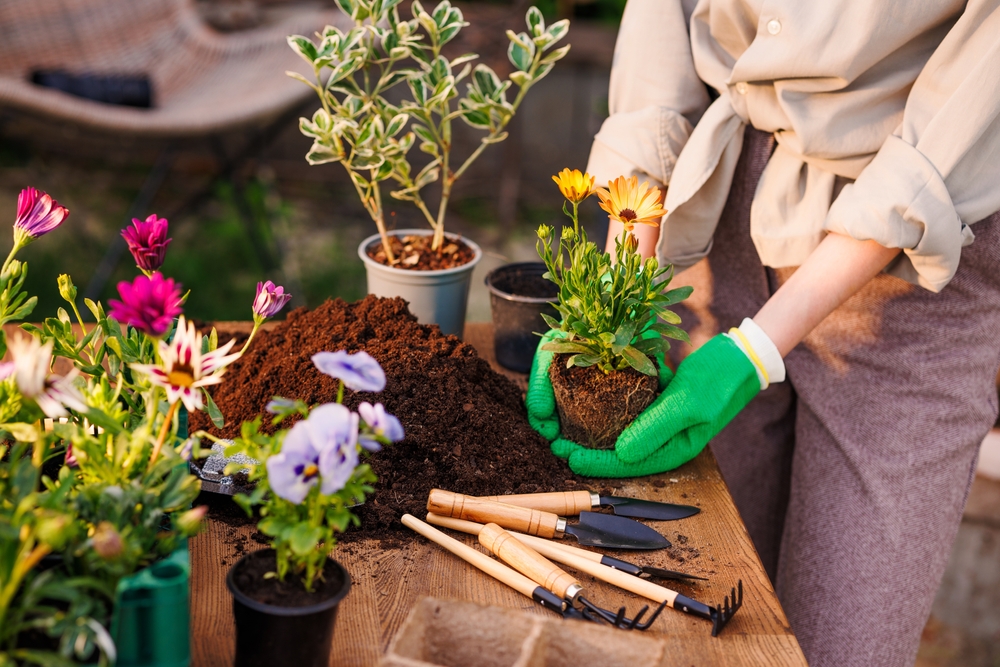
Spring arrives with a burst of energy, and suddenly every garden center overflows with promise. Bright green leaves, tiny buds, and hopeful plans fill carts and backyards everywhere. The urge to plant everything immediately feels almost irresistible, like the season itself demands action right now.
That excitement can crash hard when those fresh transplants start to droop, stall, or completely give up within days. What looked like a guaranteed success story turns into confusion and frustration, especially when everything seemed “done right.” The truth sits in the details, and spring transplants fail for very specific, very fixable reasons that often get overlooked in the rush to get planting.
The Weather Isn’t as Friendly as It Looks
Spring sunshine can feel warm and inviting, but the soil often tells a completely different story. Air temperatures can rise quickly while the ground stays stubbornly cold, and that mismatch creates stress for newly transplanted plants. Roots need warmth to grow and absorb nutrients, and cold soil slows everything down, leaving plants struggling to establish themselves. That struggle shows up as drooping leaves, slow growth, and a general lack of energy that feels confusing when the weather seems pleasant.
Temperature swings make things even worse, especially in early spring when warm days can quickly turn into chilly nights. Plants that just left a cozy greenhouse environment suddenly face unpredictable conditions, and they don’t always adapt smoothly. Frost can still sneak in, even when the calendar insists it’s safe to plant. A single cold night can damage tender roots and leaves, setting a transplant back days or even weeks. Paying close attention to soil temperature instead of just air temperature can make a huge difference in success rates.
Timing becomes everything in this situation, and patience pays off in ways that impulsive planting never will. Waiting until soil temperatures consistently support growth gives transplants a real chance to settle in and thrive. Gardeners who use a soil thermometer often gain a huge advantage because they base decisions on actual conditions instead of guesswork. Covering plants during unexpected cold snaps or delaying planting by even a few days can prevent major setbacks. Spring rewards those who slow down just enough to work with nature instead of racing ahead of it.
Roots Hate Being Rushed
Transplanting puts plants under immediate pressure, and roots take the biggest hit during that transition. When a plant moves from a container into the ground, its root system needs time to spread, anchor, and adjust to new soil conditions. If that process gets rushed or disrupted, the plant struggles to take in water and nutrients effectively. That struggle often shows up above ground in ways that seem mysterious but actually trace back to root stress.
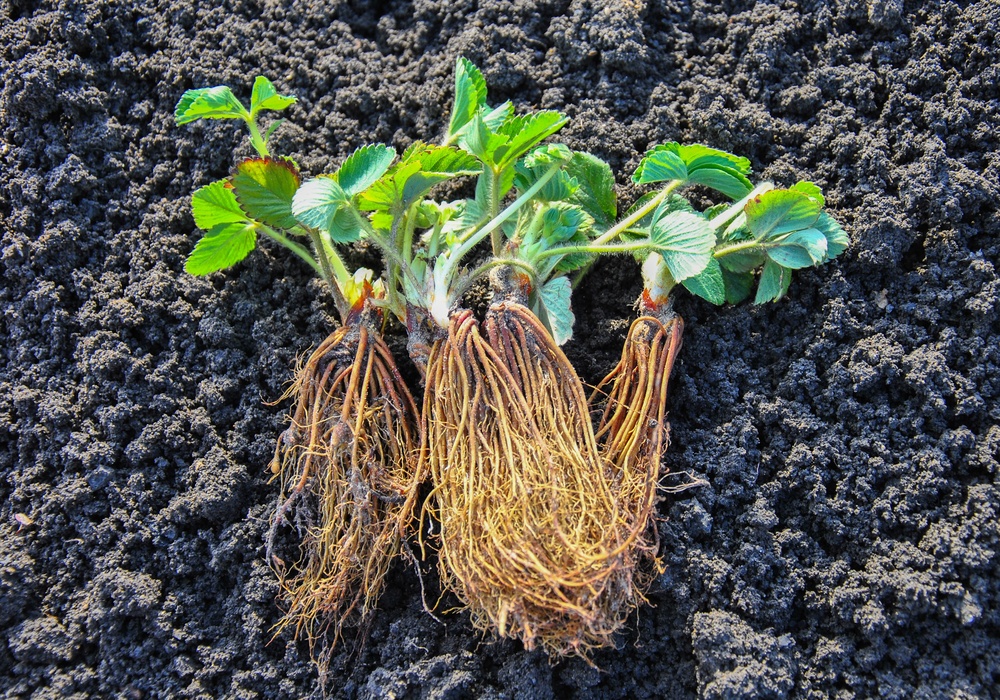
Many plants come out of containers with roots that have started circling tightly around the soil. That pattern limits their ability to grow outward once planted, and it can create long-term issues if nobody corrects it. Gently loosening or teasing those roots before planting encourages them to expand into the surrounding soil. Skipping that step can leave plants stuck in a cramped root structure that limits their growth potential. A few extra seconds spent preparing the roots can change the entire outcome.
Planting depth also plays a major role in transplant success, and it often gets overlooked in the rush. Setting a plant too deep can suffocate the roots, while planting too shallow can expose them to drying out. Each plant has an ideal depth, usually matching the level it grew in its original container. Taking the time to match that depth helps roots transition smoothly without additional stress. When roots feel comfortable and supported, the entire plant responds with stronger, faster growth.
Watering Mistakes That Wreck Good Intentions
Water feels like the easiest part of gardening, but it can quickly become the biggest source of trouble. Overwatering often causes more damage than underwatering, especially for new transplants that haven’t developed strong root systems yet. Soggy soil can suffocate roots by limiting oxygen, and that condition can lead to rot that kills plants from below the surface. On the flip side, inconsistent watering can leave roots struggling to find moisture, which slows down establishment and weakens the plant.
New transplants need consistent moisture, not constant saturation, and that balance takes a bit of attention. Deep watering encourages roots to grow downward, which creates stronger and more resilient plants over time. Light, frequent watering can keep the surface wet while leaving deeper soil dry, and that pattern discourages proper root development. Checking soil moisture with a finger instead of guessing can help guide watering decisions more accurately. Simple awareness can prevent major issues before they start.
Mulch can become a powerful ally in this situation, especially during unpredictable spring weather. A layer of mulch helps regulate soil temperature and retain moisture, which reduces stress on new transplants. It also prevents rapid drying during windy or warm days that can catch gardeners off guard. Organic mulch like shredded bark or compost adds additional benefits as it breaks down and improves soil quality. With the right watering approach and a little support from mulch, transplants gain a much better chance to settle in successfully.
Sunlight Shock Is Real
Plants raised in controlled environments don’t automatically handle full sun exposure without a transition period. Greenhouses and indoor setups provide stable light conditions, and stepping directly into intense sunlight can overwhelm delicate leaves. That shock often shows up as scorched or faded foliage, which can look alarming even when the plant still has potential to recover. Gradual exposure to sunlight helps plants adjust without taking that hit all at once.
This process, often called hardening off, plays a critical role in transplant success. It involves placing plants outside for increasing periods over several days, allowing them to adapt to wind, light, and temperature changes. Skipping this step can undo weeks of careful growth in a matter of hours. Even hardy plants benefit from this gradual introduction because it strengthens their ability to handle outdoor conditions. A little patience during this phase can prevent a lot of damage later.
Placement within the garden also matters more than many people realize. Some plants prefer partial shade, especially during the hottest part of the day, while others thrive in full sun. Matching each plant to its ideal light conditions gives it a stronger start and reduces stress during the critical early days. Observing how sunlight moves across the garden can help determine the best spots for each transplant. When light levels match a plant’s needs, it can focus on growing instead of recovering.
Soil That Looks Fine but Fails Anyway
Healthy soil doesn’t just look good on the surface; it supports life below ground where roots do their real work. Compacted soil can block root growth and limit access to water and nutrients, even when everything appears fine at first glance. Poor drainage can create waterlogged conditions that suffocate roots, while overly sandy soil can drain too quickly and leave plants thirsty. Each of these issues can quietly sabotage transplants before they ever get established.
Improving soil structure before planting can make a dramatic difference in outcomes. Adding compost introduces organic matter that improves both drainage and moisture retention, creating a balanced environment for roots. Loosening soil before planting allows roots to move freely and establish themselves more quickly. Skipping this preparation step can leave plants struggling against conditions that don’t support healthy growth. A little groundwork sets the stage for long-term success.
Testing soil can also provide valuable insight into nutrient levels and pH balance. Some plants need specific conditions to thrive, and mismatched soil chemistry can limit their ability to absorb nutrients. Simple test kits can reveal whether adjustments are needed, and those adjustments can prevent problems before they start. Feeding plants with the right nutrients at the right time supports strong growth without overwhelming them. When soil works with the plant instead of against it, everything becomes easier.
Slow Down and Let Plants Catch Up
Spring planting doesn’t reward speed nearly as much as it rewards awareness and timing. Every transplant needs a moment to adjust, settle, and start growing in its new environment. Rushing that process often leads to setbacks that feel frustrating but can usually be avoided with a bit more patience and preparation. Paying attention to soil, weather, water, and light creates a strong foundation that supports healthy growth from the start.
So what’s been the biggest surprise in your own planting adventures, and which tricks or lessons have made the biggest difference in keeping transplants alive and thriving? Drop your thoughts, wins, or even the most frustrating plant fails in the comments and get the conversation growing.
You May Also Like…
How to Reuse Rainwater in Spring
When It’s Better Not to Fertilize in Spring
Why Moles Become More Noticeable in Early Spring
The Most Overlooked Spring Pest: Cutworms
March Garden Pests That Hide Underground

Brandon Marcus is a staff writer for FrugalGardening.com at District Media, Inc., where he delivers practical gardening advice with a relatable, no-nonsense style. An avid amateur gardener, he holds a BA degree and with over ten years of professional writing experience, he is also an award-winning published author whose first book, Questions For Deep Thinkers, was released by Adams Media. His work has appeared in major publications including Fandom.com, CHUD.com, TheColdWire.com, and Fansided.com.
Leave a Reply