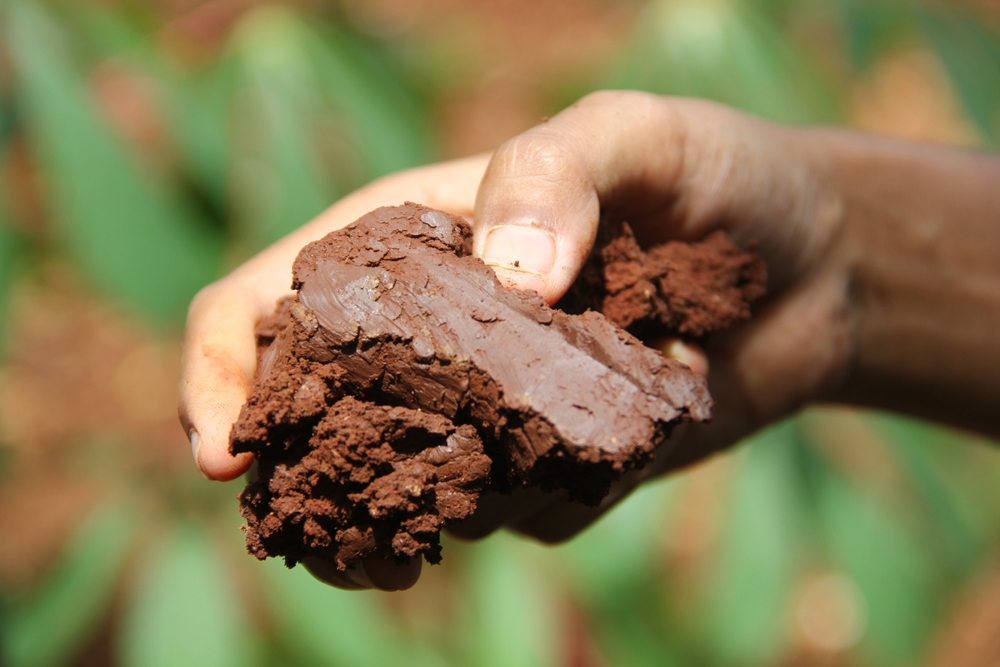
Clay soil rarely wins popularity contests. It clumps like wet cement during rainy stretches and then bakes into brick when the sun turns fierce. Plants struggle to push roots through it, water lingers too long after storms, and many gardeners stare at the ground wondering if vegetables, flowers, or shrubs will ever cooperate. Yet clay soil holds a secret advantage that often surprises people who battle it every season. That dense structure packs nutrients that plants crave, and with the right strategy, clay can evolve from stubborn nuisance into productive garden gold.
A few simple habits, some inexpensive materials, and a little patience can reshape that heavy ground into something loose, lively, and welcoming for roots. No expensive equipment. No complicated formulas. Just practical moves that turn difficult soil into a place where plants actually thrive.
1. Compost: The Budget Superhero That Fixes Almost Everything
Every great clay-soil turnaround story usually begins with compost. That dark, crumbly material works like magic for dense soil because it adds organic matter that loosens tight clay particles. Instead of forming hard clods, soil begins to break into smaller pieces that allow air, water, and roots to move freely. Compost also introduces beneficial microbes that energize the soil ecosystem, and those microbes actively help plants access nutrients already trapped in the clay. A backyard compost pile offers the cheapest route to this transformation. Vegetable scraps, coffee grounds, yard trimmings, and fallen leaves all break down into a nutrient-rich amendment that clay soil desperately needs.
Garden beds benefit most when compost enters the soil generously and regularly. A thick layer spread over the surface in spring or fall slowly works its way into the soil structure over time. Gardeners who mix compost directly into planting beds often notice softer soil within a single growing season. Plants respond quickly to that improvement because roots gain room to stretch and explore. Compost also improves drainage while helping soil retain moisture during dry spells, which means plants stay happier through both rainy weeks and scorching heat.
Consistency matters more than perfection. A garden does not require gourmet compost to see results. Simple kitchen scraps and yard debris break down beautifully when they receive air, moisture, and occasional turning. Each new layer added to clay soil nudges it closer to a rich loamy texture that plants adore.
2. Mulch: The Lazy Gardener’s Secret Weapon
Mulch might look like simple decoration, but it quietly performs some of the most important work in soil improvement. Organic mulch materials such as shredded leaves, straw, wood chips, and grass clippings protect clay soil from harsh sun and pounding rain. That protection keeps the soil surface from hardening into crusty slabs that repel water. Instead, moisture filters slowly downward, where roots need it most.
Mulch also encourages earthworms and beneficial insects to move into the soil. Those tiny workers chew through organic matter and tunnel through dense clay, creating natural channels that boost drainage and airflow. Each tunnel loosens the soil structure while mixing organic matter deeper into the ground. Over time, the once-compact clay begins to resemble something softer and more workable.
Cost rarely blocks this strategy. Many neighborhoods produce mountains of fallen leaves every autumn, and those leaves make outstanding mulch when shredded or simply spread across garden beds. Grass clippings from lawn mowing sessions also deliver nitrogen while feeding soil life. Even untreated wood chips from tree trimming services often come free when requested politely. A generous mulch layer also saves time and energy. It suppresses weeds, keeps soil temperatures steady, and reduces the need for constant watering. That quiet combination of benefits gradually reshapes clay soil without expensive products or complicated techniques.
3. Cover Crops: Living Soil Builders That Work While Gardens Rest
Gardens never need to sit idle, even when vegetables disappear for the season. Cover crops step into that quiet period and actively repair soil structure. Plants such as clover, rye, and vetch grow quickly and send roots deep into clay soil. Those roots punch through dense layers and create pathways for water and oxygen. When gardeners cut those plants down and leave them on the surface or lightly mix them into the soil, they add valuable organic matter that feeds the soil ecosystem.
Many cover crops also bring a bonus superpower. Legumes like clover capture nitrogen from the air and convert it into a form plants can use. That natural process enriches the soil without store-bought fertilizers. Clay soil already contains plenty of nutrients, but cover crops help unlock them and make them easier for plants to absorb.
Planting cover crops costs very little. Seed packets often cost less than a fancy cup of coffee, yet those seeds can dramatically improve soil health across an entire garden bed. After several seasons, gardeners often notice soil that feels softer, drains better, and supports stronger plant growth. Timing plays an important role in this strategy. Many gardeners sow cover crops in late summer or early fall, allowing them to grow through cool weather before cutting them down in spring. That simple rhythm keeps soil active year-round and steadily chips away at stubborn clay.
4. Gypsum, Sand, and the Truth About Quick Fixes
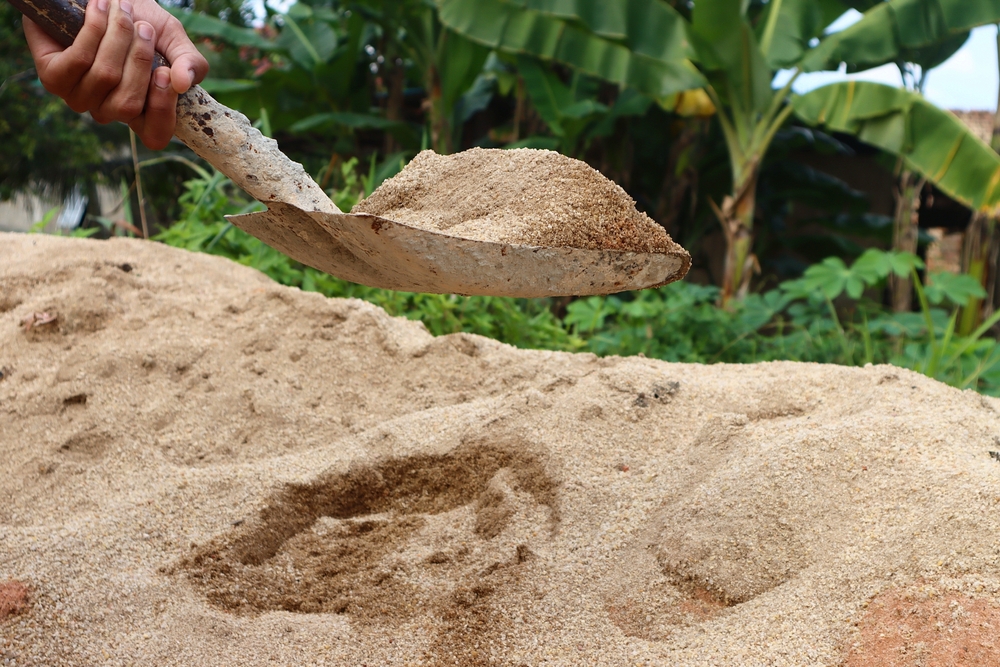
Plenty of products promise instant relief for clay soil, but not every popular solution actually delivers results. Sand often receives enthusiastic recommendations, yet mixing sand with clay sometimes creates a texture closer to concrete than garden soil. Clay particles and sand grains pack together tightly when gardeners add the wrong proportions, which can worsen drainage instead of improving it.
Gypsum sometimes enters the conversation as well. That mineral helps break apart clay in certain soil types, particularly soils with high sodium content. However, gypsum does not transform every clay garden automatically. Many clay soils already contain balanced minerals, and gypsum offers little benefit in those situations. Soil tests provide the best guidance before investing in large amounts of any amendment.
Organic matter still wins the long-term battle for most clay soils. Compost, mulch, and plant roots work together to loosen soil gradually while feeding beneficial organisms. That slow transformation often beats quick-fix products that promise dramatic overnight results. Smart gardeners focus energy on practices that build soil health steadily. The combination of compost, mulch, and plant diversity usually produces stronger results than any single bag of soil amendment.
Turning Tough Ground Into Garden Gold
Clay soil may begin as a stubborn challenge, but it rarely stays that way when consistent care enters the picture. Compost adds life and texture. Mulch protects the surface while feeding underground activity. Cover crops send roots deep into compact layers and bring nutrients to the surface. Each of those steps costs very little, yet together they create a powerful system that transforms dense soil into productive garden ground.
Patience plays a key role in that transformation. Soil evolves slowly because nature works layer by layer, season by season. Gardeners who stick with these low-cost habits usually notice better drainage, easier digging, and healthier plants within a few years. That improvement turns once-frustrating clay beds into thriving spaces for vegetables, flowers, and shrubs.
Which strategy sounds most exciting to try first, and what clever tricks have worked well in tough soil? Write out your thoughts, experiments, and soil-saving ideas in the comments.
You May Also Like…
Why Soil Testing Saves Money Over Time
The $20 Soil Fix That Can Rescue a Struggling Spring Garden
Why You Shouldn’t Trust TikTok’s ‘No-Dig’ Method in Clay Soil
How to Fix Compacted Soil Without Renting Equipment
This Budget-Friendly Mulch Is Actually Acidifying Your Soil

Brandon Marcus is a staff writer for FrugalGardening.com at District Media, Inc., where he delivers practical gardening advice with a relatable, no-nonsense style. An avid amateur gardener, he holds a BA degree and with over ten years of professional writing experience, he is also an award-winning published author whose first book, Questions For Deep Thinkers, was released by Adams Media. His work has appeared in major publications including Fandom.com, CHUD.com, TheColdWire.com, and Fansided.com.
Leave a Reply