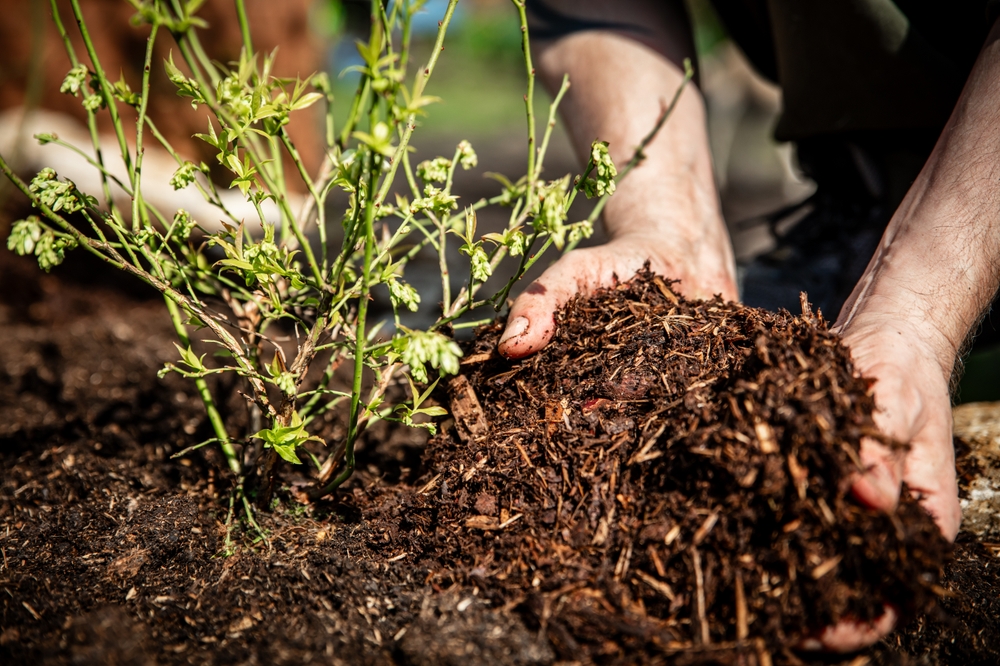
A garden never whispers. It announces itself the moment someone steps into the yard, and surprisingly, mulch often sets the tone long before flowers steal the spotlight. Color might sound like a purely cosmetic choice, yet mulch quietly shapes soil temperature, moisture retention, weed control, and even plant health. Garden beds that glow with rich brown, deep black, or golden wood chips carry far more influence than many people expect.
Landscapers think carefully about mulch color for a reason, and the choice can either help plants thrive or leave them quietly struggling under the surface. Color affects sunlight absorption, soil warmth, and the way a garden visually pops against greenery and blooms. That small layer of wood chips turns into a powerful design and plant-health tool the moment it hits the ground. Anyone planning a garden upgrade should look beyond flowers and take a closer look at what lies beneath them.
1. Dark Mulch: The Heat Magnet That Can Supercharge Growth
Dark mulch brings drama to a garden bed, yet it also delivers a serious dose of science. Black or deep brown mulch absorbs more sunlight than lighter colors, which means soil underneath warms up faster during the day. That warmth can give plants a noticeable head start in early spring, especially vegetables and flowering plants that enjoy cozy soil temperatures. Tomatoes, peppers, and eggplants often respond well to the slightly warmer ground created by darker mulch.
Garden beds with heat-loving plants tend to look fuller and more energetic when dark mulch keeps the soil active beneath the surface. The color also creates a bold visual contrast that makes green leaves and colorful flowers stand out with almost theatrical intensity. Landscapers often choose dark mulch in decorative beds because it frames plants the same way a dark picture frame highlights a painting. A garden filled with vibrant blooms suddenly looks more polished and intentional when those flowers rise from a deep, rich backdrop.
Heat absorption brings benefits, but smart gardeners balance that warmth carefully. Extremely hot climates can push soil temperatures too high when dark mulch sits under intense sun for long stretches. Plants with delicate roots may struggle if soil becomes excessively warm during peak summer afternoons. Shaded garden beds rarely face that problem, which makes darker mulch an excellent choice under trees, along fences, or beside taller shrubs. Gardeners often monitor moisture levels closely when using dark mulch because warmer soil encourages faster evaporation. A thicker mulch layer helps counteract that moisture loss while still allowing soil to breathe.
2. Light Mulch: The Cooling Champion for Hot Garden Beds
Light-colored mulch carries a very different personality, and it often acts like a built-in cooling system for soil. Pine bark, straw, and natural wood chips reflect more sunlight instead of absorbing it, which keeps the ground below noticeably cooler during hot weather. That cooling effect benefits plants that prefer moderate soil temperatures and steady moisture levels. Leafy greens, herbs, and many ornamental plants perform better when the soil avoids excessive heat. Gardeners who live in areas with scorching summers often lean toward lighter mulch to prevent root stress and dehydration.
Light mulch also helps slow down evaporation from the soil surface, especially when gardeners apply a generous layer two to three inches thick. Moisture stays trapped beneath the mulch, which reduces the need for constant watering and keeps roots comfortable throughout warm days. Weed seeds struggle to reach sunlight through that protective layer, so gardens require less maintenance over time. Organic materials such as straw or pine needles break down gradually and enrich soil with valuable nutrients. Many vegetable gardeners rely on straw mulch because it supports soil health while also keeping produce clean and dry above the ground. A thick blanket of pale mulch can transform an ordinary garden bed into a low-maintenance powerhouse that protects plants while quietly improving soil quality.
3. Color and Chemicals: Why Not All Mulch Comes Equal
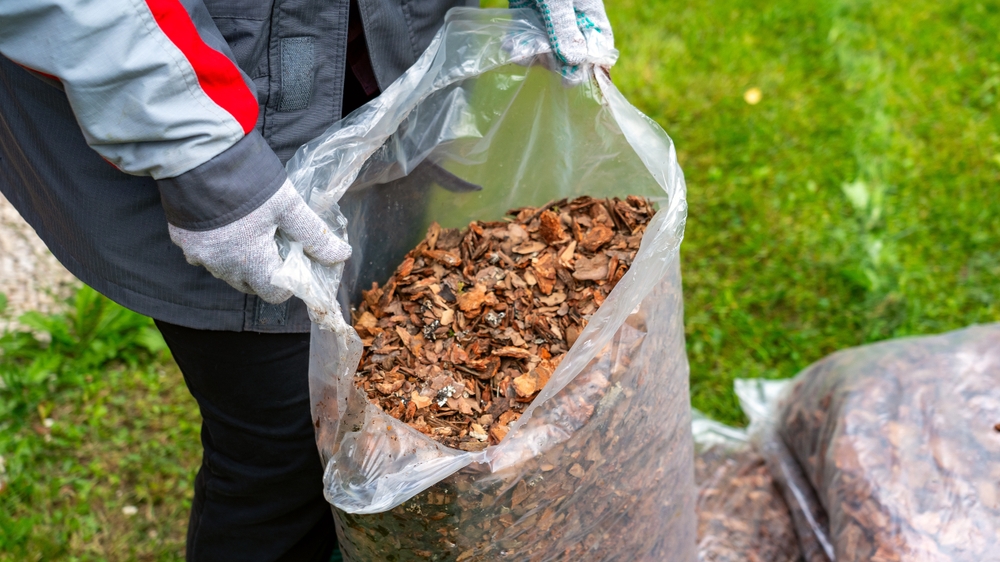
Color does not always come straight from nature, and that detail matters more than most gardeners realize. Many commercial mulch products receive dyes to create rich black, red, or chocolate tones that hold their color for months. Reputable manufacturers use iron-oxide or carbon-based dyes that typically pose little risk to plants or soil when applied correctly. Those dyes bind tightly to the wood fibers, which prevents significant leaching into the soil during rainfall. Garden centers often label dyed mulch clearly, so gardeners can make informed decisions before loading bags into the trunk. Some people prefer the consistent look that dyed mulch provides because the color stays bold throughout the growing season.
However, not every bag of colored mulch comes from high-quality wood sources. Some inexpensive products use recycled construction wood, pallets, or treated lumber that may contain unwanted chemicals. Gardeners should always check labels carefully and choose mulch made from untreated hardwood or bark whenever possible. Certified products or mulch from reputable suppliers usually provide the safest option for edible gardens and vegetable beds. Natural mulch materials often fade faster than dyed options, yet they still deliver all the soil benefits without introducing unnecessary additives. A quick refresh each season restores the look without compromising soil health. Plants care far more about soil quality and moisture balance than they care about the exact shade of brown on the surface.
4. The Visual Power Play: How Mulch Color Shapes the Whole Garden
Mulch color does not just affect soil; it transforms the entire visual rhythm of a yard. Dark mulch creates dramatic contrast that makes foliage look greener and flowers appear brighter. Bright blooms such as yellow marigolds, pink petunias, or purple salvia seem to glow when surrounded by deep, rich mulch tones. Landscapers often rely on dark mulch when they want gardens to look crisp, modern, and carefully curated. The effect mirrors the way dark soil highlights vibrant plants in nature. Garden beds framed with deep mulch often appear cleaner and more organized, which boosts curb appeal instantly. Even simple plantings look more impressive when the mulch beneath them provides a strong visual foundation.
Light mulch tells a completely different design story and works beautifully in relaxed landscapes. Natural tan or golden wood chips blend seamlessly into rustic gardens and outdoor spaces filled with ornamental grasses or native plants. That softer palette creates a calm, welcoming atmosphere rather than a bold visual punch. Large garden beds often benefit from lighter mulch because the color prevents the area from looking too heavy or dark. Homeowners who prefer a natural woodland style often choose pine straw or light bark mulch for exactly that reason. The garden starts to feel like an extension of the surrounding landscape instead of a sharply defined design feature. Color alone can shift the entire personality of a yard without changing a single plant.
The Mulch Moment That Changes Everything
Mulch may look like a finishing touch, yet it quietly drives some of the most important processes in any garden. Color influences soil warmth, moisture retention, plant health, and the overall design of outdoor spaces. Dark mulch can boost early growth and create bold contrast, while lighter mulch helps cool the soil and maintain a relaxed, natural appearance. Smart gardeners match mulch color with plant needs, climate conditions, and the style they want their garden to express. A thoughtful choice at ground level can completely reshape how plants perform and how a garden feels throughout the season. Garden beds often transform from ordinary to eye-catching with nothing more than a fresh layer of carefully chosen mulch. That humble layer of wood chips deserves far more attention than it usually receives.
Which mulch color works best in the garden right now, and what results have shown up after making the switch? Give us your ideas, strategies, or experiences in the comments and spark a conversation about what truly works in the yard.
You May Also Like…
Free Sources of Mulch Many People Overlook
A Backyard Material That Can Work as Well as Mulch
Why Many Gardeners Wait Until Mid-March to Buy Mulch
Dog Owners Shocked After Learning Their Mulch May Be Toxic
11 Ways to Stop Mice From Nesting in Mulch

Brandon Marcus is a staff writer for FrugalGardening.com at District Media, Inc., where he delivers practical gardening advice with a relatable, no-nonsense style. An avid amateur gardener, he holds a BA degree and with over ten years of professional writing experience, he is also an award-winning published author whose first book, Questions For Deep Thinkers, was released by Adams Media. His work has appeared in major publications including Fandom.com, CHUD.com, TheColdWire.com, and Fansided.com.
Leave a Reply