
A thriving plant does not begin with glossy leaves or colorful blooms. Real strength starts underground, where roots wrestle with moisture, oxygen, microbes, and gravity every hour of the day. When conditions turn soggy and stagnant, roots lose that fight quickly, and root rot steps in to finish the job. Many gardeners reach for chemical treatments, but healthy roots rarely require chemical rescue in the first place. Smart growing practices keep trouble away long before disease appears.
A garden that prevents root rot naturally produces sturdier plants, stronger growth, and far fewer headaches. The good news: simple habits shift the balance dramatically in favor of healthy roots. A few thoughtful changes can transform soil from a soggy danger zone into a comfortable, oxygen-rich home for thriving plants.
The Real Enemy Beneath the Soil
Root rot does not appear out of thin air. Specific fungi and water-mold organisms, including species of Phytophthora and Pythium, thrive in oxygen-starved soil where water refuses to drain. Saturated soil suffocates plant roots because water fills the tiny air pockets roots need to breathe. Without oxygen, roots weaken rapidly and pathogens seize the opportunity to invade. Plants cannot defend themselves effectively under those conditions because their energy reserves drop fast. Gardeners often blame mysterious diseases when the real culprit involves heavy soil and trapped water. Strong drainage and balanced moisture eliminate most root rot threats before pathogens gain any momentum.
Soil structure plays a starring role in this underground drama. Dense, compacted soil acts like a wet sponge that never dries, while loose, crumbly soil drains excess moisture and allows oxygen to circulate freely. Organic matter such as compost improves soil texture dramatically because it creates small channels that move both air and water through the ground. Healthy soil also supports beneficial microbes that compete with harmful pathogens. That living microbial community creates a protective environment around plant roots. Gardeners who invest energy in soil health rarely face widespread root rot problems. Healthy soil functions like a well-designed ventilation system for plant roots.
Drainage: The Unsung Hero of Plant Survival
Drainage might sound dull, but it holds the power to save an entire garden. Water should move through soil steadily rather than sit around like an unwanted guest who refuses to leave. Garden beds benefit from loose soil mixed with compost, shredded leaves, or aged bark because these materials prevent compaction and allow water to flow downward. Raised beds offer another strong defense against waterlogging because elevation encourages gravity to pull excess water away from roots. Even a few inches of extra height dramatically improves drainage during heavy rain.
Containers demand special attention because water collects easily in confined spaces. Every pot needs adequate drainage holes, and those openings must remain clear so water can escape freely. A lightweight, well-aerated potting mix works far better than dense garden soil in containers because it balances moisture retention with airflow. Many successful gardeners blend materials such as coco coir, compost, and perlite to maintain that balance. Plants grow stronger when their roots receive steady moisture without drowning. Checking the weight of a pot also offers a quick clue about moisture levels; a heavy container often signals waterlogged soil. That simple habit prevents accidental overwatering before roots suffer damage.
Watering Smarter, Not More Often
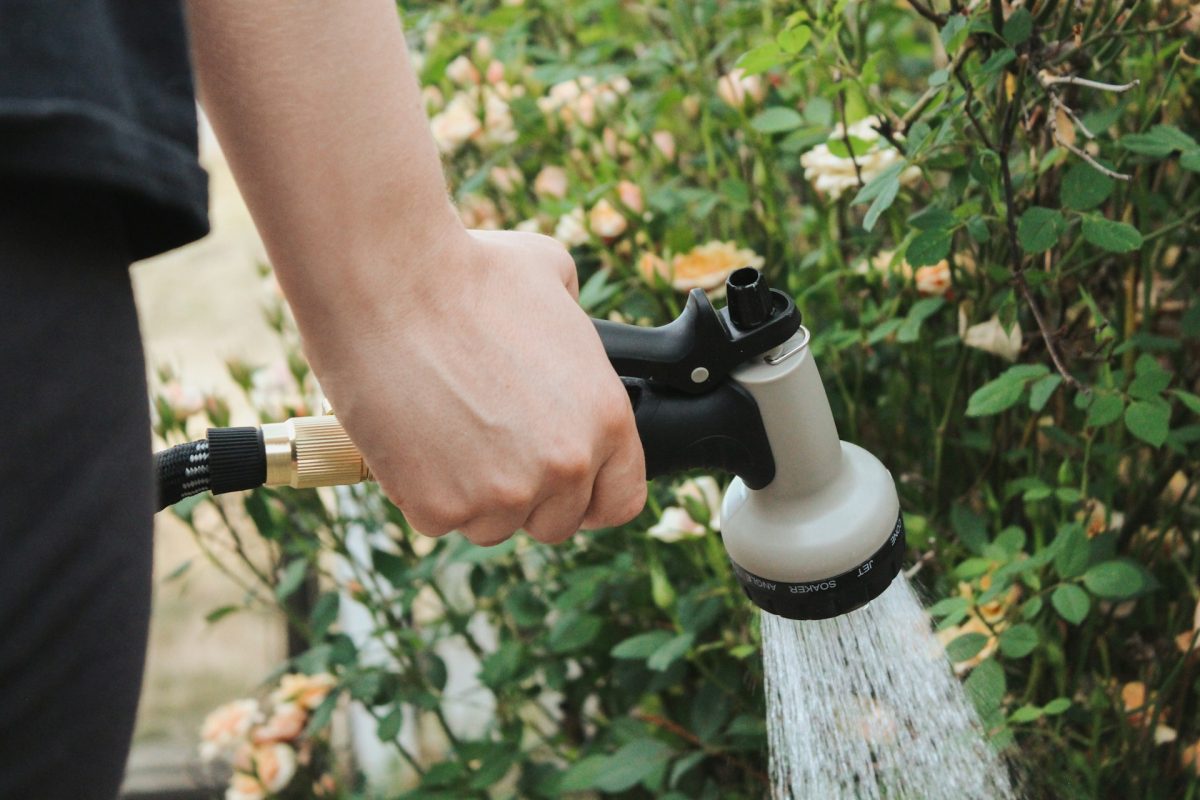
Overwatering ranks as one of the fastest routes to root rot. Many enthusiastic plant owners shower their plants with affection in the form of constant watering, yet plants thrive when moisture arrives at the right time rather than all the time. Soil should dry slightly between watering sessions because that dry interval restores oxygen to the root zone. Consistent soaking prevents that oxygen exchange and creates the stagnant environment pathogens love. Smart watering focuses on the soil rather than the calendar.
A finger pushed into the soil quickly reveals the truth about moisture levels. Dry soil a couple of inches below the surface signals that plants welcome another drink. Moist soil means patience will pay off. Morning watering offers another advantage because daylight warmth helps excess moisture evaporate throughout the day. Deep watering encourages roots to grow downward in search of water, which produces stronger plants with greater drought resistance. Shallow daily watering, on the other hand, traps roots near the surface where rot problems develop more easily. Plants reward careful watering habits with vigorous growth and resilience.
Soil Life: Nature’s Underground Defense Team
Healthy soil never operates as an empty growing medium. Billions of microorganisms bustle through every handful, forming a complex ecosystem that influences plant health. Beneficial bacteria and fungi break down organic matter, recycle nutrients, and compete with harmful pathogens. That microscopic competition limits the growth of organisms responsible for root rot. Gardeners who nurture soil life create an environment where harmful microbes struggle to gain control.
Compost provides one of the most powerful tools for strengthening soil biology. Rich compost introduces beneficial organisms and supplies food that helps them multiply. Mulch also supports soil health because it moderates temperature, reduces compaction from heavy rain, and gradually feeds soil microbes as it decomposes. Earthworms contribute another valuable service by tunneling through the soil and creating natural drainage channels. Those tunnels improve airflow while preventing water from lingering around plant roots. A lively soil ecosystem behaves like a protective shield that guards plants against disease. When soil life thrives, root rot pathogens rarely dominate.
Choosing the Right Plants for the Right Conditions
Plant selection influences root rot risk more than many gardeners realize. Some species tolerate moist soil with ease, while others demand fast drainage and airy conditions. Placing a moisture-loving plant in dry soil causes stress, yet planting a drought-tolerant species in constantly wet soil almost guarantees trouble. Matching plants with appropriate soil conditions removes a huge portion of root rot risk before the first watering even occurs.
Garden planning should always consider natural drainage patterns across the landscape. Low areas collect water after rain, while slopes shed moisture quickly. Plants that appreciate consistent moisture perform well in those lower spots, while drought-tolerant plants prefer higher ground. Container gardeners can also tailor soil mixes to suit specific plants. Succulents and cacti flourish in gritty, fast-draining mixes, while tropical foliage plants enjoy slightly richer soil that holds moderate moisture. Thoughtful plant placement allows each species to grow in conditions that suit its natural preferences. Healthy roots develop easily when soil conditions match the plant’s biological needs.
Healthy Roots, Happier Plants, Better Gardens
Root rot rarely wins when gardeners focus on prevention rather than rescue. Strong drainage, smart watering, healthy soil biology, and thoughtful plant selection combine to create an environment where roots thrive. These natural strategies eliminate the need for chemical treatments in most situations. Plants respond quickly when roots receive oxygen, balanced moisture, and living soil packed with beneficial microbes. Gardens that follow these principles often produce stronger growth, brighter foliage, and more reliable harvests.
Healthy root systems form the hidden foundation behind every beautiful plant. When that foundation stays strong, plants resist disease and bounce back from stress more easily. Small changes in watering habits, soil preparation, and plant placement can completely shift the balance toward long-term success. Gardeners who focus attention below the soil surface unlock a powerful advantage that many overlook.
Which natural technique has delivered the best results in your garden so far, and what root-saving strategies deserve more attention? Let’s talk about it in the comments below.
You May Also Like…
Experts Say This “Zero-Waste” Garden Hack Is Spreading Root Rot
This Winter Gardening Habit Is Spreading Mold and Root Rot, Experts Warn
5 Quick Tips To Rescue Your Plants From Root Rot
March Fungal Diseases to Watch For
Why Planning Plant Placement Early Prevents Disease

Brandon Marcus is a staff writer for FrugalGardening.com at District Media, Inc., where he delivers practical gardening advice with a relatable, no-nonsense style. An avid amateur gardener, he holds a BA degree and with over ten years of professional writing experience, he is also an award-winning published author whose first book, Questions For Deep Thinkers, was released by Adams Media. His work has appeared in major publications including Fandom.com, CHUD.com, TheColdWire.com, and Fansided.com.
Leave a Reply