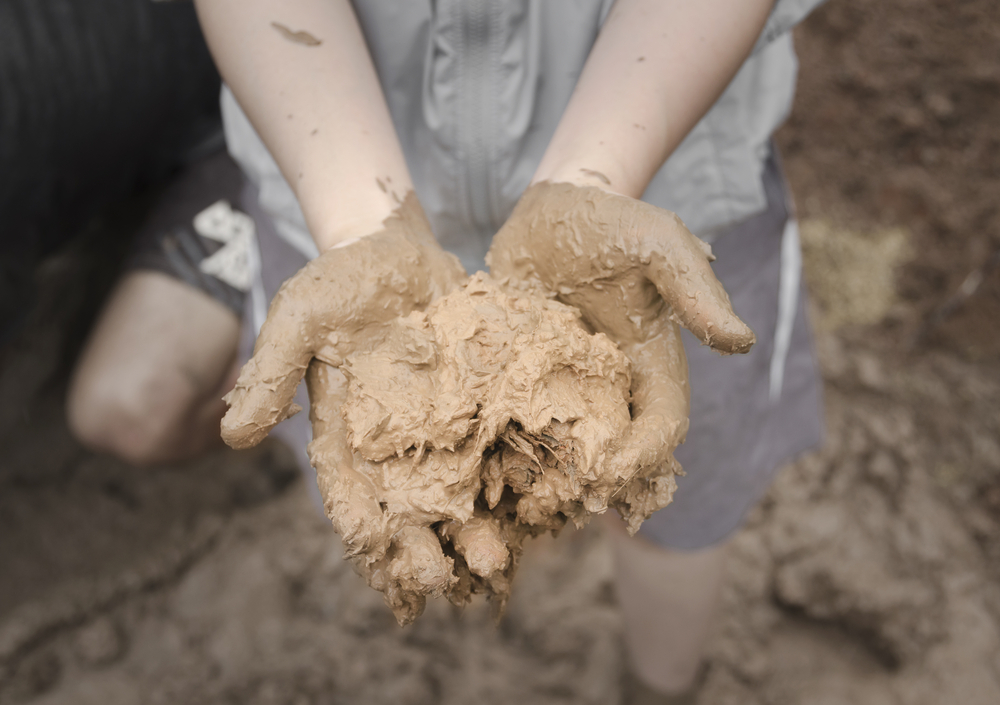
Gardening in heavy clay soil feels like trying to run a marathon in concrete boots. It’s thick, sticky, and unforgiving, holding water like it’s training for a swamp competition. Plants can struggle, roots get suffocated, and the frustration mounts as every shovel feels heavier than the last. But here’s the truth: clay soil isn’t your enemy. It just needs a little persuasion, some TLC, and a strategy that doesn’t break the bank. Transforming it into nutrient-rich, plant-loving soil is completely achievable with simple, low-cost techniques that any gardener can pull off.
The great news for all gardeners is that clay soil has a ton of hidden potential. Its tight particles actually hold nutrients exceptionally well, meaning once it’s loosened up, it can become a powerhouse for your garden. All it takes is a mix of smart amendments, careful layering, and consistent attention.
1. Break It Up With Organic Matter Magic
Clay soil becomes a lot more manageable when it’s given organic matter to chew on. Think compost, leaf mold, or well-rotted manure. Adding these materials loosens compacted particles and improves drainage, creating air pockets that roots can actually navigate. Spread a generous layer across your garden bed, then work it into the top 6 to 12 inches with a spade or fork. The combination of decomposing material and clay encourages earthworms to move in, naturally aerating the soil while enriching it with nutrients.
Organic matter doesn’t just help soil structure; it improves moisture retention in a balanced way. Clay often holds water too tightly, which can drown roots or encourage fungal growth. Mixing in organic matter allows water to penetrate more evenly, keeping plants hydrated without waterlogging them. Repeat this layering every season to gradually transform stubborn clay into loose, fluffy soil. Even small additions each year make a massive difference, so don’t underestimate the power of persistence.
2. Mulch Your Heart Out
Mulching is like giving clay soil a cozy blanket. It prevents crusting, retains moisture, and steadily introduces organic material as it breaks down. Apply a thick layer of straw, shredded leaves, or bark chips over your clay beds and watch how it shields the soil from erosion and temperature swings. Mulch also suppresses weeds that would otherwise compete for nutrients and make your clay soil feel even more oppressive.
Beyond protection, mulch acts as a slow-release nutrient source. As it decomposes, it contributes organic matter directly into the clay, enhancing its texture and fertility. Consider rotating mulch materials seasonally for a richer mix of nutrients. Straw one season, leaves the next—each brings unique benefits and keeps the soil dynamic. This is gardening with a low-cost, high-impact approach that delivers long-term results without complicated techniques.
3. Aerate Like a Pro Without Fancy Tools
Compacted clay suffocates roots, but aerating doesn’t require industrial machinery. A simple garden fork or spike aerator can create channels for water, air, and roots to move freely. For large areas, rent a mechanical aerator—it’s affordable and saves hours of backbreaking work. The trick is to penetrate the soil deeply without flipping it completely, preserving the clay’s natural layering while still loosening it.
Aeration works wonders in combination with organic amendments. After poking holes throughout the bed, topdress with compost or well-rotted manure, letting it settle into the newly opened channels. Water thoroughly afterward to help everything integrate. Repeating this once or twice a season keeps clay from hardening, especially after heavy rains. Your plants will breathe easier, roots will spread freely, and you’ll finally see the difference in growth patterns and overall plant health.
4. Plant Cover Crops for Hidden Superpowers
Cover crops might sound fancy, but they’re essentially soil superheroes. Legumes like clover, vetch, or peas fix nitrogen, improving fertility while their roots naturally break up dense clay. Grasses like rye or oats develop thick root systems that create tunnels through stubborn soil, enhancing aeration and water absorption. After a season, you can mow or till them back into the soil, adding a fresh layer of organic matter for future plantings.
Cover crops also protect clay from erosion during off-seasons. They keep soil intact, prevent nutrient loss, and create a vibrant ecosystem that attracts beneficial insects. Even planting annual cover crops between vegetable cycles makes a noticeable difference. Not only do they improve texture and fertility, but they also reduce the amount of heavy digging you need in the long run. Smart planting of cover crops is like investing in a garden savings account—payoffs keep coming year after year.
5. Sand and Gypsum: Handle With Care
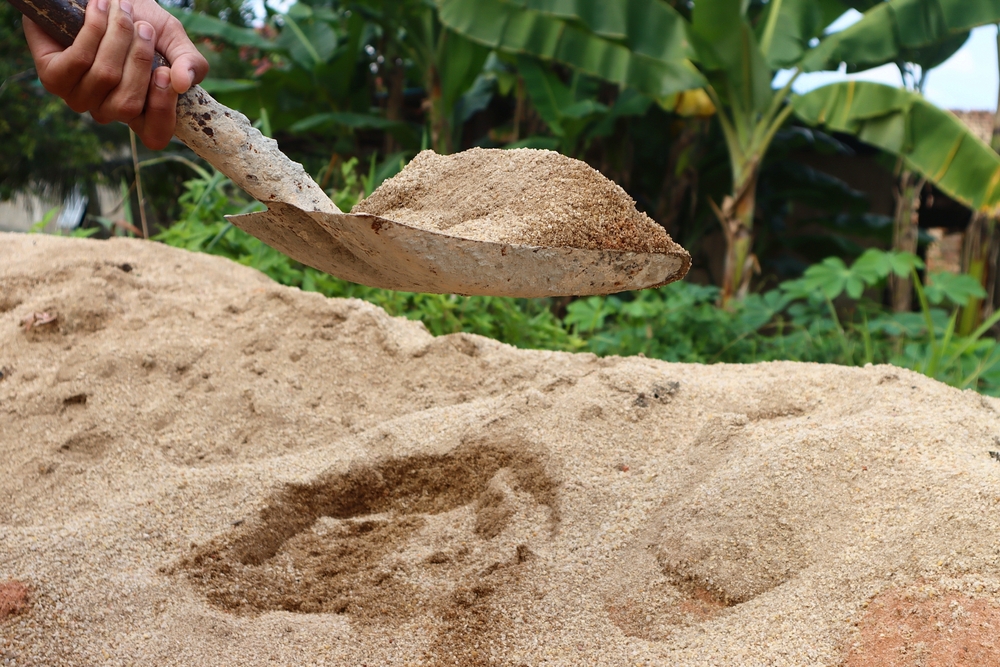
Adding coarse sand to clay is tempting, but it’s crucial to do it carefully. Too much sand can create a cement-like mixture if not balanced properly. Instead, integrate small amounts gradually, aiming for a mixture that’s roughly 50% clay, 30% sand, and 20% organic matter for optimal texture. Gypsum is another powerful tool. It works by breaking up clay’s tight structure, improving drainage without affecting soil pH significantly.
The combination of sand, gypsum, and organic matter creates a trifecta of improvement. Work them into the top layers during the growing season to maximize results. Avoid dumping large quantities at once—gradual integration ensures soil benefits without backfiring. With patience, clay becomes a manageable, nutrient-rich medium where roots can finally stretch out and plants can thrive without struggling against their environment.
6. Water Management: The Unsung Hero
Clay soil is a water hoarder, but controlled hydration makes a huge difference. Deep, infrequent watering encourages roots to dig down, while shallow, frequent watering can worsen compaction. Installing a drip irrigation system or using soaker hoses allows precise control, delivering moisture directly to root zones while preventing puddles and surface crusting.
Pair proper watering with raised beds or mounded planting areas to improve drainage naturally. Incorporate organic matter as a sponge, absorbing excess water while slowly releasing it during dry periods. The key is balance—too much water, and clay suffocates plants; too little, and growth slows. By actively managing water flow, clay soil transforms from a liability into a resilient foundation that supports vigorous, healthy plants.
Transforming Clay Into Garden Gold
Heavy clay soil doesn’t have to be a thorn in the side of your garden. With a combination of organic matter, mulching, aeration, cover crops, sand or gypsum, and smart watering, this stubborn soil can become a thriving environment for all kinds of plants. Each small step adds up, and the satisfaction of seeing roots grow deep and leaves flourish is unmatched. Gardens built on transformed clay reward patience, creativity, and consistency with beauty, productivity, and resilience.
What’s your favorite method for taming clay soil? Do you have tricks or success stories that could inspire others? Share your insights and strategies in the comments. Let’s swap tips and celebrate thriving gardens together!
You May Also Like…
Low-Cost Ways to Improve Clay Soil
How to Fix Uneven Soil pH Without Buying Costly Test Kits
7 Soil Amendments Many Gardeners Forget to Use That Improve Plant Growth
Why You Shouldn’t Trust TikTok’s ‘No-Dig’ Method in Clay Soil
Why Soil Testing Saves Money Over Time

Brandon Marcus is a staff writer for FrugalGardening.com at District Media, Inc., where he delivers practical gardening advice with a relatable, no-nonsense style. An avid amateur gardener, he holds a BA degree and with over ten years of professional writing experience, he is also an award-winning published author whose first book, Questions For Deep Thinkers, was released by Adams Media. His work has appeared in major publications including Fandom.com, CHUD.com, TheColdWire.com, and Fansided.com.
Leave a Reply