Aphids have not waited for summer to make their move this year. Gardeners across the Southeast have spotted clusters of tiny green, black, and even pink insects coating tender new growth weeks ahead of the usual schedule. The shift feels dramatic, but it follows patterns that scientists and extension agents have tracked for years. Warmer winters, fluctuating spring temperatures, and stressed plants have created a perfect storm for one of the garden’s most persistent pests.
Aphids reproduce at astonishing speed under favorable conditions. When temperatures stay mild and host plants leaf out early, aphid populations can explode before beneficial insects even wake up. That timing imbalance explains why so many landscapes now face heavy infestations long before summer heat sets in.
Warm Winters, Fast Starts
Winter once served as a natural reset button for many insect populations. Extended cold periods killed off large numbers of overwintering aphids and slowed their life cycle. In recent years, however, much of the Southeast has experienced milder winters with fewer hard freezes.
Aphids overwinter in several ways depending on species. Some lay eggs on woody plants that hatch in early spring. Others survive as adults on winter weeds or ornamental plants during mild conditions. When cold snaps grow shorter and less intense, more aphids survive into spring, which gives them a head start once temperatures rise.
Temperature plays a direct role in aphid development. Many species reproduce rapidly between about 65 and 80 degrees Fahrenheit. When spring temperatures reach that range earlier in the year, aphids begin feeding and reproducing sooner. Females can produce live young without mating, which allows populations to grow exponentially in a matter of days.
Early Plant Growth Means Early Feeding
Plants across the Southeast have responded to warmer late-winter and early-spring weather with earlier bud break and leaf development. That tender new growth provides exactly what aphids crave. Soft stems and fresh leaves contain higher concentrations of nutrients and easier access to sap.
When host plants emerge early, aphids quickly colonize them. Roses, peppers, tomatoes, and many ornamental shrubs often show the first signs of infestation. Because aphids prefer new growth, heavy feeding can distort leaves, stunt stems, and reduce flowering or fruiting potential.
This timing mismatch creates a problem. Beneficial insects such as lady beetles and lacewings typically increase their populations after aphids become abundant. If aphids start weeks earlier than usual, they enjoy a window of unchecked reproduction before predators catch up. That head start leads to thicker infestations that demand more intervention.
Weather Swings Add Fuel to the Fire
Spring weather in the Southeast often shifts between warm spells and sudden cool snaps. Those fluctuations stress plants and sometimes weaken their natural defenses. Stressed plants release certain chemical signals that can attract aphids and other pests seeking easy targets.
Heavy rains can also wash away natural predators while leaving aphids clinging tightly to plant tissue. Conversely, dry spells encourage rapid aphid reproduction since moderate dryness often favors their survival compared to prolonged heavy rain. The combination of warmth and inconsistent moisture patterns has created ideal conditions for early swarming.
Urban heat islands in cities add another layer of complexity. Pavement and buildings trap heat, which keeps local temperatures slightly higher than surrounding rural areas. Aphids in these microclimates may begin reproducing even earlier, spreading to nearby gardens as conditions warm.
The Honeydew Effect and Secondary Problems
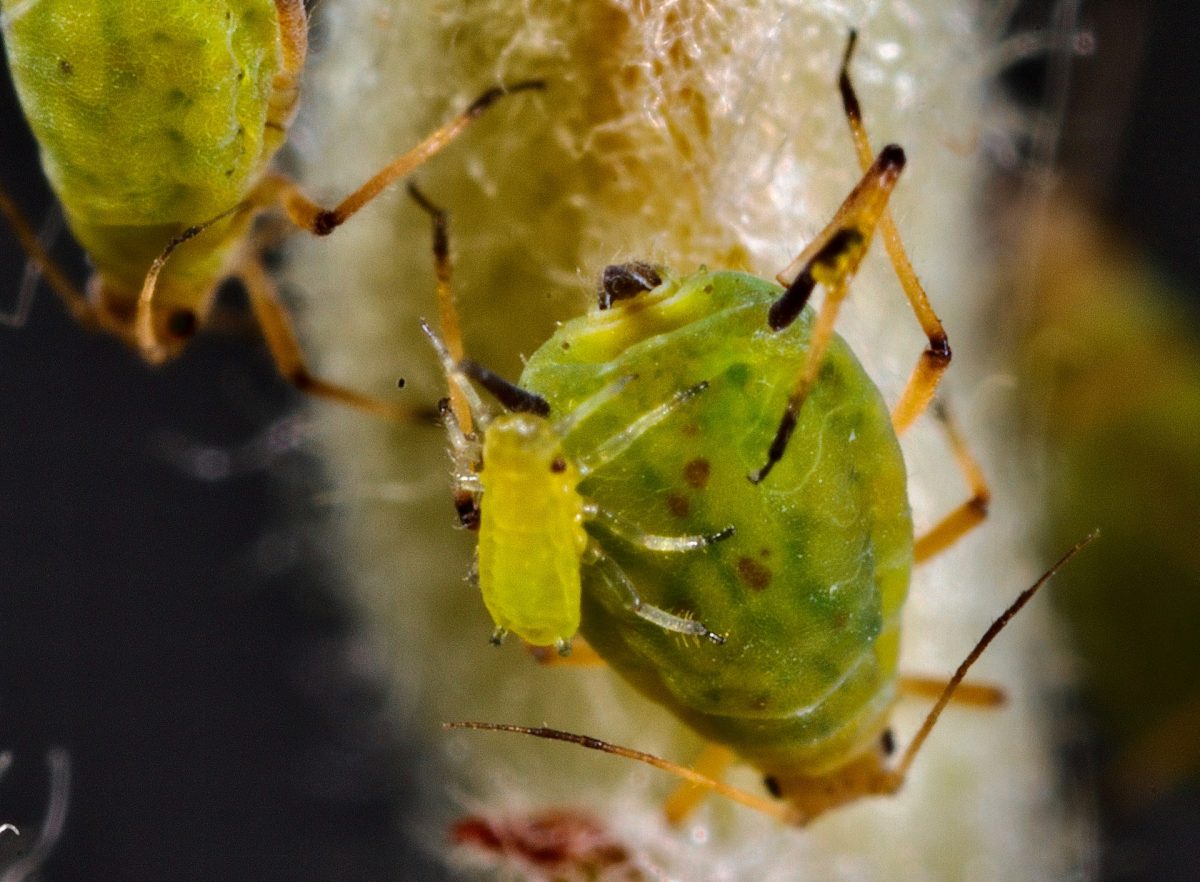
Aphids do more than drain plant sap. As they feed, they excrete a sticky substance known as honeydew. This sugary residue coats leaves, stems, and anything beneath infested plants. Ants often flock to honeydew and protect aphid colonies from predators in exchange for this food source.
Honeydew also encourages the growth of sooty mold, a black fungal coating that blocks sunlight and interferes with photosynthesis. While sooty mold does not infect plant tissue directly, it can reduce vigor and make ornamental plants look unhealthy. Early infestations therefore create ripple effects that extend beyond simple leaf damage.
In vegetable gardens, heavy aphid feeding can reduce yields and transmit certain plant viruses. Aphids act as vectors for several viral diseases, particularly in crops like cucurbits and peppers. Early swarms increase the window of potential virus transmission during critical growth stages.
Taking Control Before Populations Explode
Early detection now matters more than ever. Regularly inspect the undersides of leaves and the tips of new growth beginning in late winter or very early spring. Small clusters of aphids often appear before widespread damage becomes obvious.
A strong stream of water from a hose can dislodge many aphids and reduce numbers quickly. This simple step works best when repeated every few days during active infestations. Insecticidal soaps and neem oil also provide effective control when applied directly to the insects, especially on leaf undersides where aphids gather.
Encouraging beneficial insects remains one of the most powerful long-term strategies. Planting flowering herbs such as dill, cilantro, and fennel attracts lady beetles, lacewings, and parasitic wasps. Avoid broad-spectrum insecticides that kill these natural allies, because they play a crucial role in keeping aphid populations balanced.
Strengthening Plants for the Long Haul
Healthy plants tolerate minor aphid feeding far better than stressed ones. Consistent watering, proper fertilization, and good soil structure support strong growth that resists severe damage. Avoid over-fertilizing with high-nitrogen products, because excessive nitrogen encourages lush, tender growth that aphids find irresistible.
Pruning heavily infested shoots can remove large numbers of aphids quickly and improve airflow. Dispose of pruned material away from the garden to prevent reinfestation. Managing weeds also reduces alternative host plants that allow aphids to build early populations.
Integrated pest management offers the most sustainable path forward. This approach combines monitoring, cultural practices, biological controls, and targeted treatments only when necessary. Rather than reacting with heavy chemical use at the first sign of insects, gardeners can respond thoughtfully based on infestation levels and plant health.
A Changing Rhythm in Southern Gardens
Earlier aphid swarms signal broader shifts in seasonal patterns across the Southeast. Warmer winters and unpredictable springs have altered the timing of both plant growth and insect life cycles. That new rhythm requires closer observation and quicker action.
Gardens remain resilient spaces, but they demand attentiveness. Aphids will likely continue to appear early as long as mild conditions persist. With consistent monitoring and smart strategies, their impact can stay manageable rather than overwhelming.
How has the timing of pests shifted in your garden this year? Let’s talk about all things aphids in our comments section.
You May Also Like…
Experts Say Aphid Populations Are Surging Faster Than Expected in the Southeast
Gardeners in Florida Are Reporting Early Aphid Surges—Here’s Why
Experts Warn: This Popular “Natural” Pest Spray Is Harming Pollinators
12 Zero‑Waste Gardening Ideas That Turn Scraps Into Something Useful
Never Plant These 5 Things Next To Each Other

Brandon Marcus is a staff writer for FrugalGardening.com at District Media, Inc., where he delivers practical gardening advice with a relatable, no-nonsense style. An avid amateur gardener, he holds a BA degree and with over ten years of professional writing experience, he is also an award-winning published author whose first book, Questions For Deep Thinkers, was released by Adams Media. His work has appeared in major publications including Fandom.com, CHUD.com, TheColdWire.com, and Fansided.com.
Leave a Reply