The battle for a thriving garden begins the moment the first leaf pushes through the soil. Lush beds and tidy rows may look peaceful, but a quiet army of insects and critters waits for tender stems, juicy foliage, and ripening fruit.
Ignore them, and they take over with astonishing speed. Understand them, and the balance shifts in your favor. Here are twelve of the worst offenders and exactly how to send them packing.
1. Aphids: Tiny Sap-Suckers With a Massive Appetite
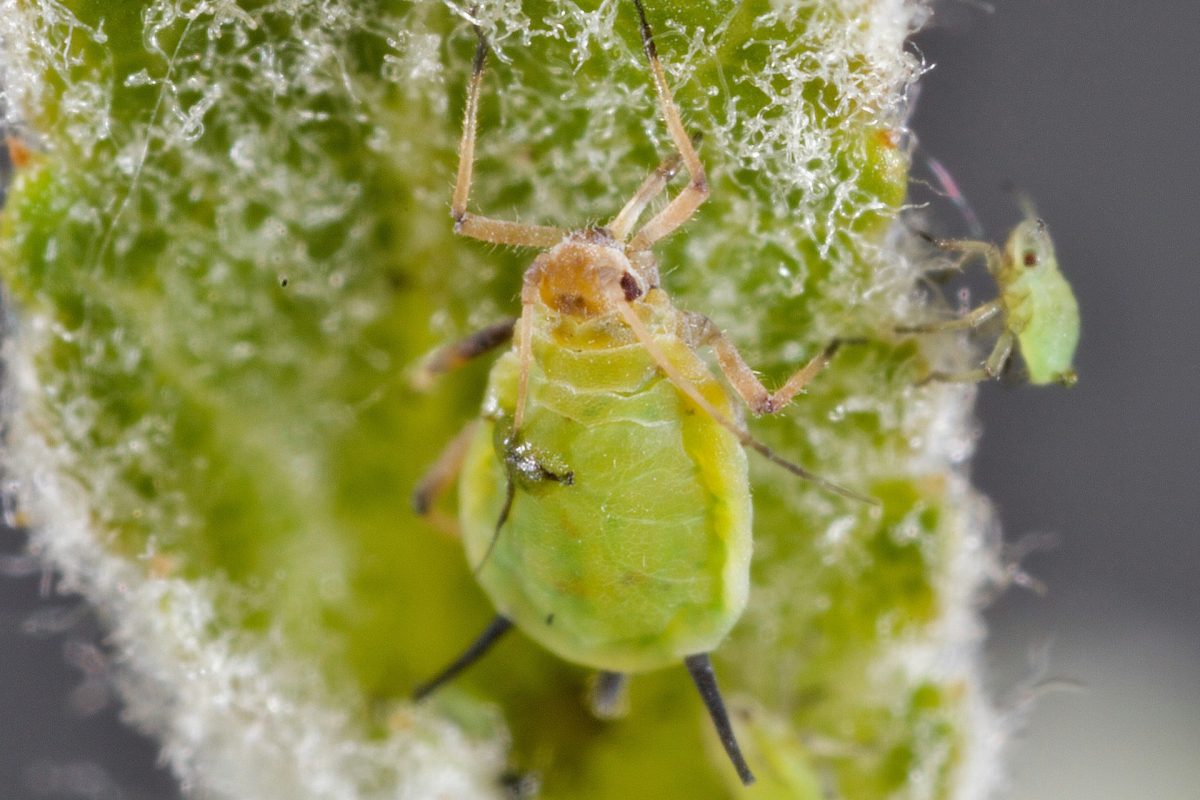
Aphids may look harmless at first glance, but these tiny pear-shaped insects multiply with alarming speed. They cluster on tender new growth and feed by piercing plant tissue and sucking out sap, which weakens stems and causes leaves to curl and yellow. Many species also secrete sticky honeydew, which encourages sooty mold and attracts ants that protect the aphids from predators.
A strong blast of water from a hose knocks them off plants and disrupts their feeding cycle. Insecticidal soap and neem oil both control infestations effectively when applied directly to the insects, especially on the undersides of leaves. Lady beetles and lacewings naturally prey on aphids, so planting dill, fennel, or yarrow can help attract these allies. Quick action matters, because aphids reproduce rapidly and overwhelm plants in a short time.
2. Tomato Hornworms: The Leaf-Stripping Giants
Tomato hornworms command attention. These large green caterpillars, which grow up to four inches long, devour tomato leaves and sometimes chew through green fruit. They blend in remarkably well, so gardeners often notice the damage before they spot the culprit.
Hand-picking remains the most reliable method of control, especially in smaller gardens. Bacillus thuringiensis, often labeled as Bt, targets caterpillars specifically and leaves beneficial insects unharmed. Parasitic wasps also help keep hornworm populations in check, so avoid broad-spectrum insecticides that kill helpful species. Consistent inspection of tomato plants during the growing season prevents serious defoliation.
3. Japanese Beetles: Beautiful but Brutal
Metallic green and copper bodies might look striking, but Japanese beetles bring destruction wherever they land. These beetles skeletonize leaves by chewing the tissue between veins, leaving behind a lace-like pattern. Roses, grapes, and many fruit trees often suffer the worst damage.
Hand-picking early in the morning, when beetles move slowly, reduces numbers significantly. Drop them into a bucket of soapy water to prevent escape. Neem oil can deter feeding, and row covers protect vulnerable plants during peak beetle season. Avoid placing beetle traps too close to garden beds, because they can attract more beetles than they capture.
4. Slugs and Snails: Nighttime Leaf Shredders
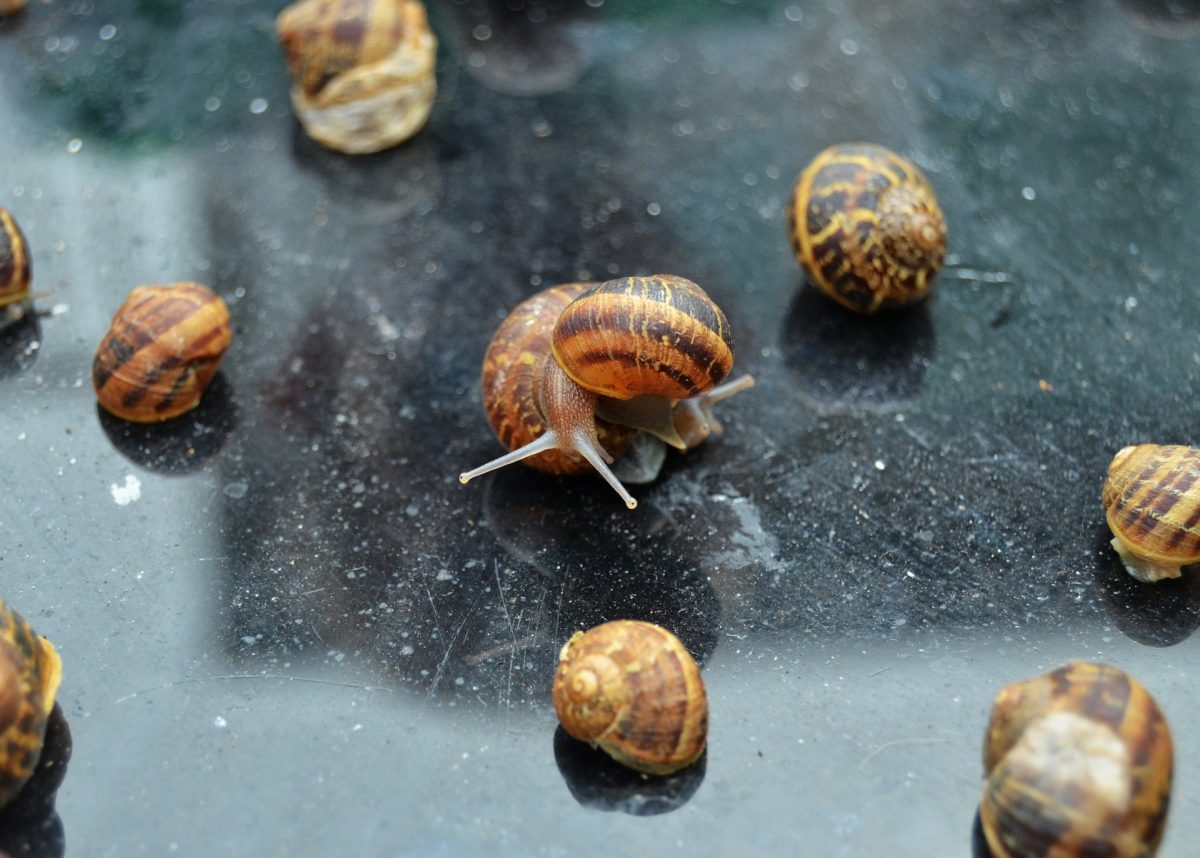
Slugs and snails thrive in damp conditions and chew irregular holes in leaves, often leaving behind a telltale trail of slime. Seedlings and low-growing plants suffer most, especially in cool, moist weather. These pests feed at night and hide under boards, stones, and dense mulch during the day.
Remove hiding spots by clearing debris and lifting boards or pots regularly. Hand-picking at dusk can dramatically reduce populations. Iron phosphate baits provide an effective and safer alternative to older metaldehyde products. Improving drainage and spacing plants for airflow also discourages slug activity.
5. Spider Mites: The Invisible Drainers
Spider mites cause stippled, pale leaves and fine webbing along stems. These tiny arachnids thrive in hot, dry conditions and reproduce quickly. Heavy infestations lead to leaf drop and weakened plants, especially on vegetables and ornamentals.
Regularly spraying plants with water increases humidity and physically removes mites. Insecticidal soap or horticultural oil works well when applied thoroughly, especially to leaf undersides. Encourage predatory mites by avoiding unnecessary insecticide use. Vigilant monitoring during hot spells prevents serious outbreaks.
6. Squash Bugs: The Vine Killers
Squash bugs attack pumpkins, zucchini, and other squash plants by piercing stems and leaves to suck out sap. Affected plants wilt, turn brown, and may collapse entirely. Adult bugs lay clusters of bronze-colored eggs on the undersides of leaves.
Remove egg clusters by hand before they hatch. Drop adults and nymphs into soapy water to eliminate them. Row covers placed early in the season protect young plants, but remove covers once flowering begins to allow pollination. Clean up plant debris at the end of the season to reduce overwintering sites.
7. Cabbage Worms: The Brassica Bandits
Green cabbage worms, the larvae of white butterflies, chew large holes in cabbage, broccoli, and kale. They often hide along leaf veins, making them difficult to spot. Left unchecked, they can reduce leafy crops to ragged remnants.
Hand-picking works well in small plots, especially with frequent inspections. Bt provides targeted control without harming beneficial insects. Floating row covers prevent adult butterflies from laying eggs in the first place. Healthy, vigorous plants tolerate minor feeding better than stressed ones, so consistent watering and soil care remain essential.
8. Whiteflies: The Cloud That Lifts When Touched
Whiteflies gather on the undersides of leaves and scatter into the air when disturbed. These small insects suck sap and excrete honeydew, leading to sticky foliage and sooty mold growth. Heavy infestations weaken plants and reduce yields.
Yellow sticky traps help monitor and reduce adult populations. Insecticidal soap or neem oil controls nymphs when applied thoroughly. Encourage natural predators such as lady beetles and parasitic wasps by planting diverse flowering species nearby. Early detection prevents widespread damage.
9. Cutworms: The Silent Stem Cutters
Cutworms attack seedlings at soil level, often cutting them off overnight. These caterpillars hide in the soil during the day and feed after dark. Young vegetable starts face the greatest risk.
Place collars made of cardboard or plastic around stems at planting time to block access. Till the soil before planting to expose larvae to predators. Hand-picking at dusk can help when infestations appear. Maintaining weed-free beds reduces hiding places.
10. Voles: The Underground Gnawers
Voles resemble small mice and tunnel through soil, feeding on roots, bulbs, and bark. Their gnawing can kill young trees and perennials. Surface runways and small burrow openings often signal their presence.
Encourage natural predators such as owls and hawks by installing nesting boxes. Protect tree trunks with hardware cloth guards. Reduce heavy mulch near plant bases, which provides cover. Trapping offers the most direct control in established infestations.
11. Thrips: The Streak Makers
Thrips scrape plant tissue and suck out juices, causing silvery streaks and distorted growth. These slender insects also spread certain plant viruses, which increases their impact. Hot, dry weather often accelerates their activity.
Blue or yellow sticky traps help monitor populations. Insecticidal soap and neem oil reduce numbers when applied carefully. Remove heavily infested plant material promptly. Maintaining plant health through proper watering and fertilizing helps plants recover from minor feeding.
12. Scale Insects: The Armored Invaders
Scale insects attach themselves to stems and leaves, appearing as small bumps rather than obvious insects. They suck sap and excrete honeydew, weakening plants over time. Heavy infestations can cause leaf drop and dieback.
Scrape off small infestations gently with a soft brush. Horticultural oil applied during the dormant season smothers overwintering scale on many trees and shrubs. Introduce beneficial insects such as lady beetles when possible. Regular inspection prevents small colonies from turning into serious problems.
Winning the War Without Losing the Garden
Every pest on this list thrives on opportunity. Strong, healthy plants resist damage far better than stressed ones, so consistent watering, proper spacing, and nutrient-rich soil lay the groundwork for success. Regular inspection turns small problems into manageable tasks instead of overwhelming disasters. Quick intervention, whether through hand-picking, targeted organic treatments, or physical barriers, prevents escalation.
A garden will always attract life, and that includes creatures that chew, suck, and gnaw. The goal does not involve wiping out every insect but maintaining balance so plants flourish. With attention, strategy, and a bit of persistence, even the worst pests lose their grip.
Which of these troublemakers causes the most frustration in your garden right now? Let’s talk about it in our comments.
You May Also Like…
This One Winter Gardening Habit Could Be Spreading Invasive Pests Across the South
Why Your Raised Beds Might Be Harboring Pests Right Now—Even in Freezing Temps
Why Pests Overwinter in Untended Garden Beds
6 Garden Pests That Hibernate in Your Soil

Brandon Marcus is a staff writer for FrugalGardening.com at District Media, Inc., where he delivers practical gardening advice with a relatable, no-nonsense style. An avid amateur gardener, he holds a BA degree and with over ten years of professional writing experience, he is also an award-winning published author whose first book, Questions For Deep Thinkers, was released by Adams Media. His work has appeared in major publications including Fandom.com, CHUD.com, TheColdWire.com, and Fansided.com.
Leave a Reply