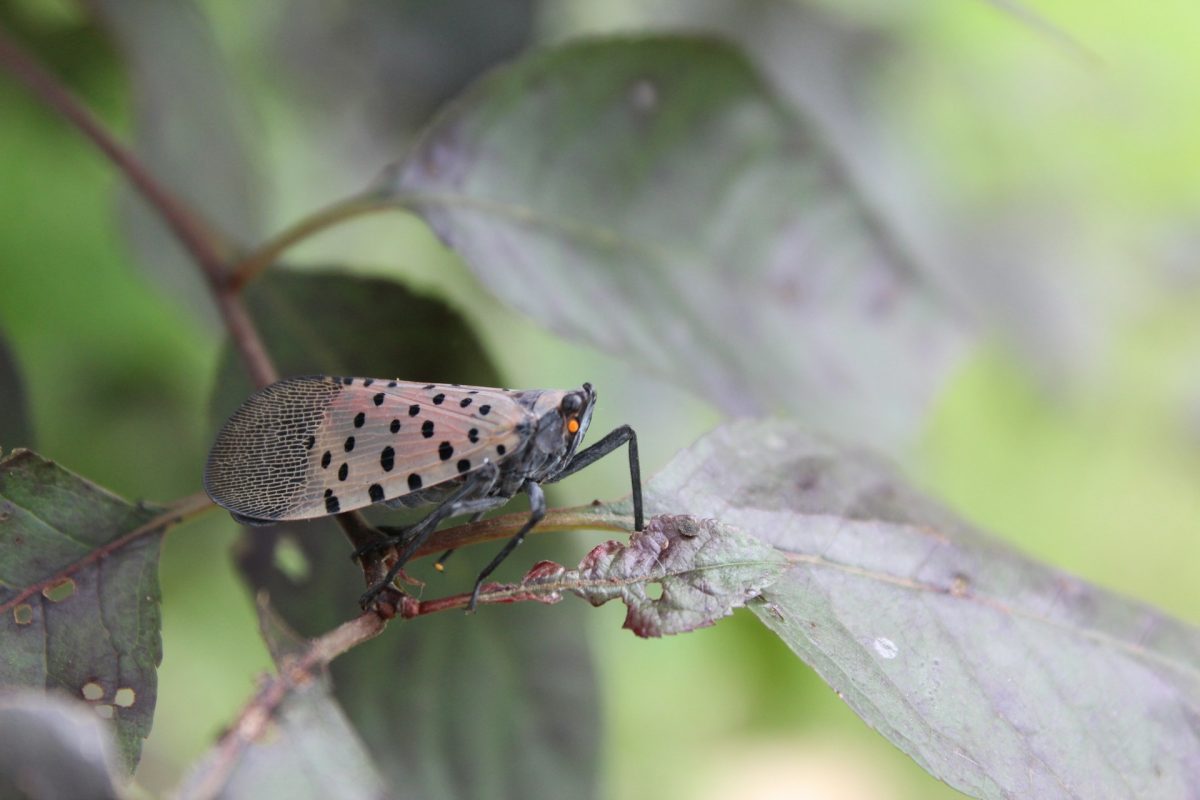
A striking insect with polka-dotted wings has turned from curiosity to crisis across much of the South. Gardeners from Georgia to Tennessee have started spotting clusters of unfamiliar bugs on trees, fences, and patio furniture, and the damage has followed quickly behind. This is not a minor nuisance or a one-season fluke. The spotted lanternfly has expanded its territory, and southern landscapes now sit squarely in its path.
Originally from Asia, the spotted lanternfly first appeared in the United States in Pennsylvania more than ten years ago. Since then, it has spread steadily through several states, and recent reports confirm growing populations in parts of the South. Warm climates, abundant host plants, and long growing seasons create ideal conditions for this pest to multiply. Anyone with fruit trees, ornamental maples, or even backyard grapevines needs to pay attention.
Meet the Spotted Lanternfly: A Showy Invader With a Serious Appetite
The spotted lanternfly earns attention with dramatic looks. Adults measure about one inch long, with gray forewings dotted in black and bright red hindwings that flash when they fly. Nymphs start small and black with white spots, then develop red patches as they mature. This bold appearance makes identification easier than with many other insects.
Despite the name, the spotted lanternfly does not glow and does not behave like a traditional fly. It belongs to the planthopper family and feeds by piercing plants and sucking out sap. That feeding weakens trees and vines over time, especially when large numbers gather on a single host. Heavy infestations can stress plants enough to reduce fruit production and overall vigor.
Why the South Feels the Pressure Now
Climate plays a major role in the lanternfly’s expansion. Mild winters allow more egg masses to survive, and long summers give nymphs and adults ample time to feed and reproduce. Southern states also contain vast stretches of tree of heaven, an invasive tree that often grows along roadsides and vacant lots. That tree acts as a launchpad for lanternfly populations.
Transportation corridors speed up the spread. Egg masses cling to vehicles, outdoor furniture, firewood, and even shipping materials. Once those eggs hatch in a new area, the insects disperse quickly to nearby host plants. Southern communities with active trade and travel networks provide plenty of opportunities for accidental transport.
Agricultural regions face additional risk. Vineyards and orchards create concentrated food sources that support large populations. When lanternflies gather in significant numbers, they can reduce grape yields and compromise fruit quality. Even ornamental landscapes in suburban neighborhoods can suffer when dozens or hundreds of insects cluster on a single tree trunk.
More Than Just Ugly Leaves
Spotted lanternflies damage plants in two main ways. First, they drain sap from stems and trunks, which weakens plants and can lead to wilting or dieback in severe cases. Second, they excrete a sticky substance known as honeydew, which happens to attract other bugs. This sugary residue coats leaves and surfaces beneath infested trees.
Honeydew encourages the growth of sooty mold, a black fungal coating that blocks sunlight from reaching leaves. While sooty mold does not infect the plant directly, it interferes with photosynthesis and creates an unsightly mess on patios, cars, and outdoor furniture. Ants and wasps often gather to feed on the honeydew, which adds another layer of frustration.
Young trees and grapevines face the highest risk from heavy feeding. Established, healthy trees can tolerate some damage, but repeated infestations over multiple seasons can weaken them significantly. Gardeners who value fruit production or ornamental beauty cannot afford to ignore early signs.
How to Identify and Act Quickly
Early detection makes all the difference. Egg masses appear as grayish, mud-like smears on tree trunks, rocks, or outdoor structures, and they contain dozens of eggs beneath a protective coating. Nymphs emerge in spring and begin feeding almost immediately. Adults appear by mid to late summer and remain active into fall.
Anyone who spots egg masses can scrape them into a container of rubbing alcohol or hand sanitizer to destroy the eggs. Crushing nymphs and adults on contact may sound blunt, but it reduces local populations quickly. Sticky bands wrapped around tree trunks can trap nymphs as they climb, though gardeners should use wildlife guards to prevent accidental capture of birds or small animals.
Insecticidal soaps and neem oil can help control nymphs when applied directly. For larger infestations on trees, systemic insecticides labeled for spotted lanternfly may offer more effective control.
Smart Garden Strategies That Strengthen the Defense
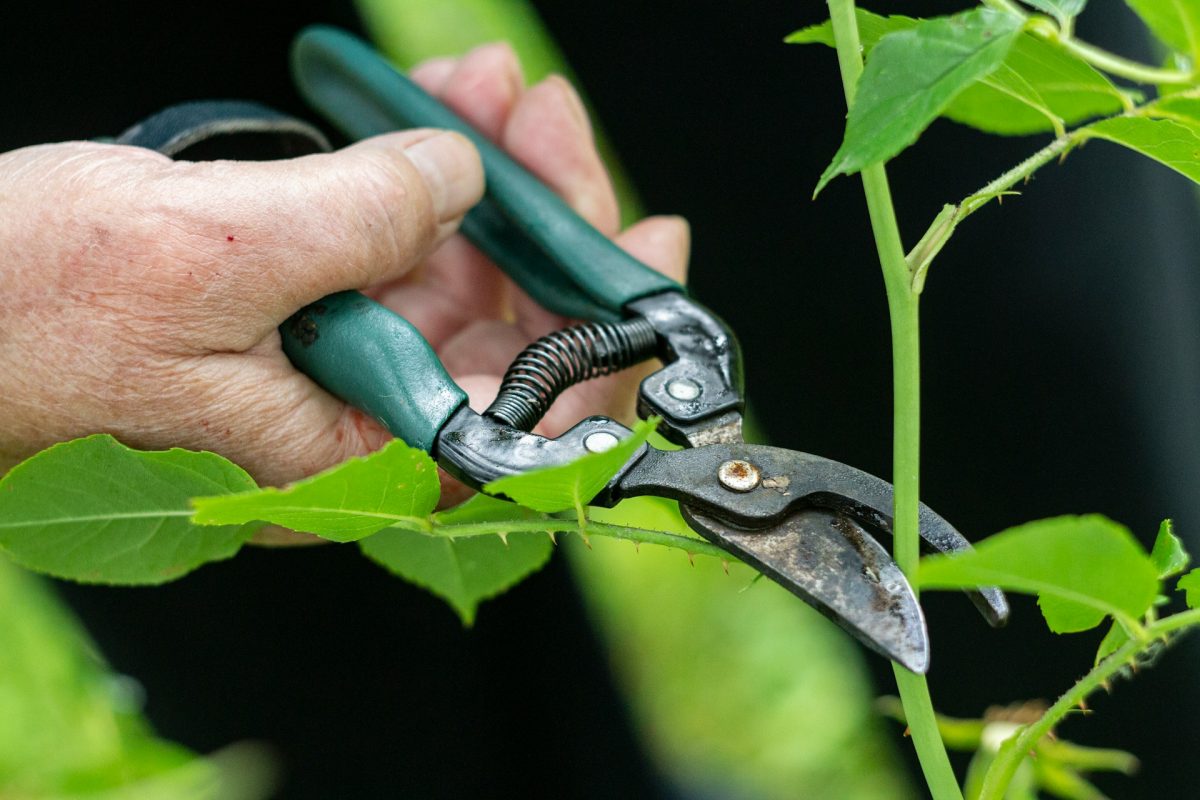
Removing tree of heaven from private property can reduce breeding grounds, though complete eradication often requires persistence. Cutting alone does not solve the problem, because the tree resprouts aggressively. Targeted herbicide treatment on freshly cut stumps typically provides better results.
Maintaining plant health also plays a critical role. Well-watered, properly fertilized trees tolerate feeding stress better than neglected ones. Pruning to improve airflow and sunlight penetration can strengthen overall vigor. Encouraging beneficial insects and birds adds another layer of natural control, though predators alone will not eliminate large infestations.
Community awareness matters just as much as individual effort. Reporting sightings to state agriculture departments or extension services helps track the spread and coordinate response efforts. When neighborhoods act together, they reduce the chance of one neglected property fueling a broader outbreak.
Staying Alert as the Season Unfolds
Spotted lanternflies do not vanish overnight, and their presence across the South signals an ongoing challenge. Vigilance during spring and summer keeps populations from exploding unchecked. Regular inspection of tree trunks, fence posts, and outdoor surfaces can reveal egg masses before they hatch.
Gardeners who stay informed and proactive stand a far better chance of protecting their landscapes. Waiting until trees drip with honeydew or trunks swarm with adults makes control far more difficult. A watchful eye, quick action, and cooperation with local authorities can slow the advance of this invasive pest.
What steps will take priority this season to guard trees and vines against this fast-spreading threat? Are you ready to combat the spotted lanternfly? Tell us about it in the comments section.
You May Also Like…
This One Winter Gardening Habit Could Be Spreading Invasive Pests Across the South
Why Your Raised Beds Might Be Harboring Pests Right Now—Even in Freezing Temps
The Bug That’s Hitchhiking on Nursery Plants — And How to Spot It
Experts Say Aphid Populations Are Surging Faster Than Expected in the Southeast

Brandon Marcus is a staff writer for FrugalGardening.com at District Media, Inc., where he delivers practical gardening advice with a relatable, no-nonsense style. An avid amateur gardener, he holds a BA degree and with over ten years of professional writing experience, he is also an award-winning published author whose first book, Questions For Deep Thinkers, was released by Adams Media. His work has appeared in major publications including Fandom.com, CHUD.com, TheColdWire.com, and Fansided.com.
Leave a Reply