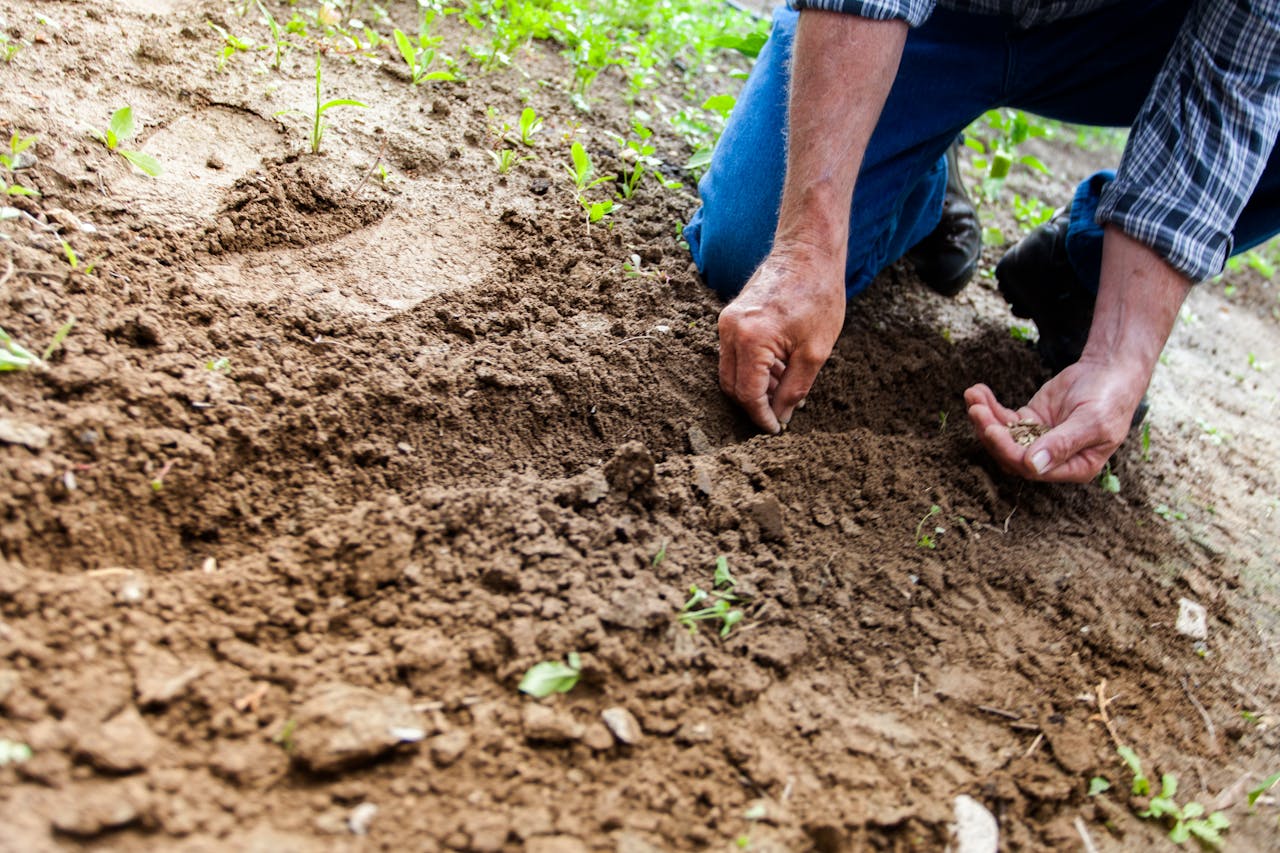
Gardening feels exciting when spring starts stretching its warm fingers across the soil, but rushing seeds into the ground this year might bring more frustration than flowers. Something unusual is moving through the weather patterns across the Southeast, and experienced growers are paying attention instead of grabbing their shovels immediately. Gardeners the urge to plant tomatoes the moment the frost seems gone, because fresh soil smells like promise, and patience feels uncomfortable when sunshine keeps showing up.
Still, timing matters more than enthusiasm when you want strong roots, healthy stems, and harvests worth bragging about. The season asks for wisdom, not speed, so let’s talk about why many Southeast gardeners should wait just a little longer before planting.
Weather Whispers That Tell You to Slow Down
Spring weather across the southeastern United States keeps showing sudden temperature swings that confuse young plants and eager growers. Regions influenced by the Gulf of Mexico often experience warm afternoons followed by chilly nights, and those swings stress tender seedlings that just entered the soil. Experts from the United States Department of Agriculture are reminding growers that planting should match stable soil conditions rather than the calendar alone.
Many Southeast areas fall within plant hardiness zones 7 through 9, though local variations always matter more than broad maps. Nighttime soil temperatures below about 55°F can slow root development and invite fungal trouble, especially for vegetables that love warmth. Tomatoes, peppers, and squash grow best when soil temperatures stay consistently warm because their roots work harder in steady conditions. Sudden cold snaps sometimes arrive after warm spells, tricking gardeners into planting too early and then shocking young plants with unexpected frost.
Farmers and home gardeners alike should watch local forecasts rather than trust the first sunny week of March. Checking long-term predictions helps people avoid planting when unstable fronts still wander through the region. Carrying patience into spring gardening sometimes feels boring, but boredom protects harvests.
Soil Temperature Matters More Than Green Grass
Many people make the mistake of watching lawns turn green and thinking garden soil feels ready. Grass responds faster to warmth than deeper soil layers, so seeing green yards does not always mean planting time arrived. Garden soil warms slowly because moisture and density keep lower layers cool even after sunlight hits the surface.
Gardeners in the Southeast should invest in a simple soil thermometer and check temperatures at a depth of about four inches. If soil stays below 60°F for warm-season vegetables, planting risks slow germination and weak early growth. Warm-season crops need energetic roots that push downward quickly, and chilly dirt acts like a brake pedal on that growth.
Mulching garden beds now also helps soil warm faster once planting time arrives. Dark organic mulch absorbs sunlight and holds moisture in balance, giving young plants a more comfortable home. Gardeners should avoid heavy watering during cool spells because oversaturated soil stays cold longer.
Rain Patterns and Humidity Are Playing Games
The Southeast region carries a reputation for humidity, and spring storms often arrive with dramatic energy. Heavy rain events sometimes wash nutrients away from freshly prepared beds if gardeners plant before weather stabilizes. Young roots struggle when soil stays soggy for too long because oxygen movement decreases in waterlogged ground.
Weather models show increasing spring rainfall variability across many southeastern states. Sudden downpours can flatten tiny seedlings or encourage fungal diseases that love damp leaves and crowded stems. Vegetables such as lettuce and spinach sometimes survive these conditions, but heat-loving crops dislike cold rain soaking their early roots.
Gardeners should improve drainage before planting happens. Adding compost into beds increases soil structure and helps water move through instead of pooling on top. Raised beds work well across humid southern landscapes because gravity helps pull excess moisture downward. Watching rainfall forecasts for at least ten days before planting gives growers a stronger survival advantage.
Rushing Seeds Means Fighting Nature Later
Early planting sometimes forces gardeners into constant defense mode against weather surprises. Seedlings planted too soon need protection from wind, cold nights, and moisture swings. Gardeners then spend mornings covering plants and evenings uncovering them, creating extra work that steals the joy from gardening.
Warm-season crops grown in Southeast climates usually perform better when planted after local frost risk disappears completely. Frost dates vary across states, and elevation changes influence real garden conditions more than postal addresses. Extension services and regional farmers track frost probability rather than following fixed calendar numbers.
Gardeners can start seeds indoors during this waiting period if they feel restless. Indoor seed starting lets growers control temperature and moisture while giving young plants a head start. Using grow lights or sunny windows helps seedlings avoid stretching weakly toward distant light sources.
Smart Southeast Gardeners Win by Waiting
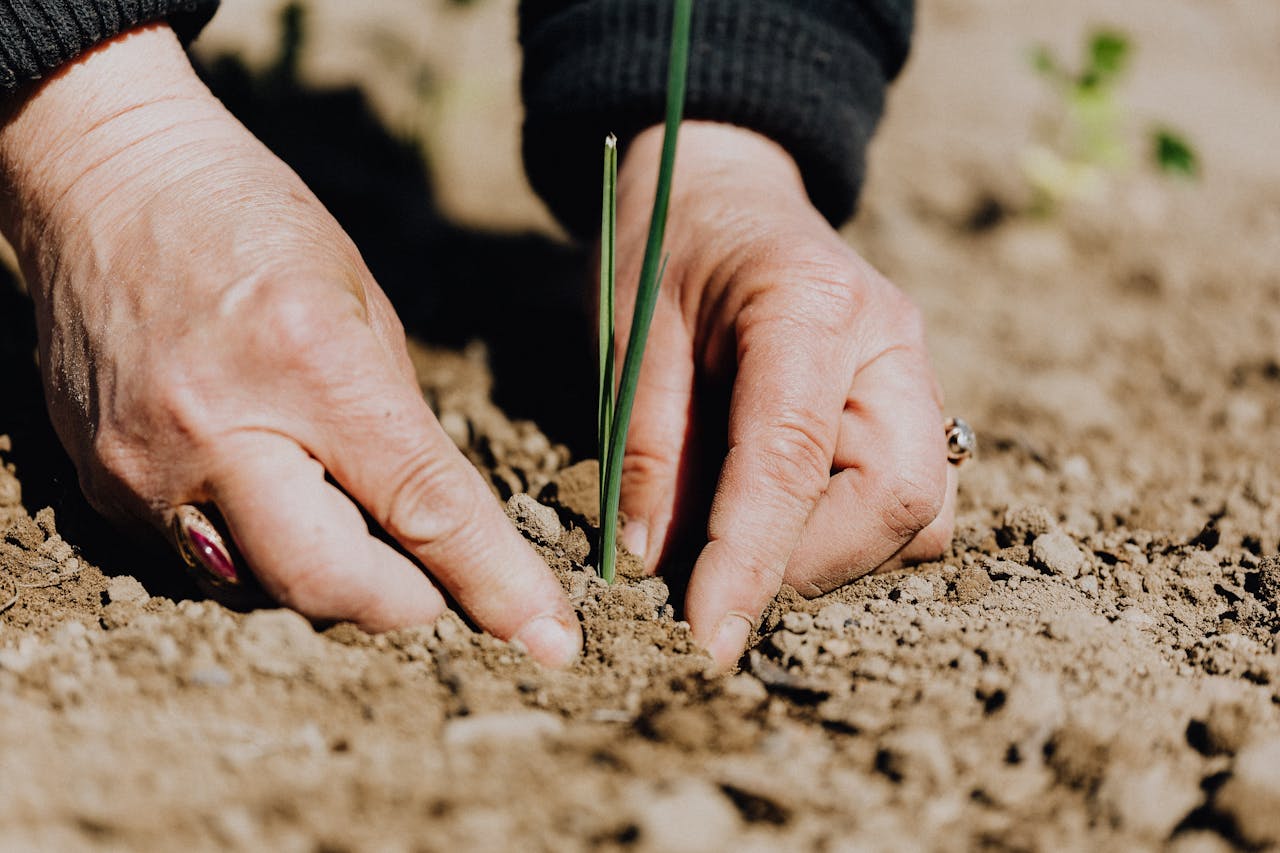
Experience across southern farming communities shows patience often produces better harvests than speed. Many successful gardeners treat early spring as preparation season rather than planting season. They clean beds, add organic matter, design crop rotation plans, and watch local weather patterns like careful sailors studying the sea.
People who delay planting usually see stronger root systems, fewer disease problems, and more consistent yields during summer harvests. Vegetables grown in stable soil conditions grow faster once warmth truly arrives. Taking a short break from planting excitement often pays back later when baskets fill with ripe produce.
If you feel unsure, visit local cooperative extension websites or talk with experienced growers in your neighborhood. Southeast agriculture traditions value shared knowledge and seasonal observation. Gardening becomes less stressful when people treat the garden like a partner instead of a race.
Let Spring Prove It Is Ready
The strongest gardens across the Southeast start when soil, air, and rainfall patterns all agree with each other. Planting too early creates unnecessary struggle for plants and gardeners alike. Waiting a few more weeks often gives seeds the stable home they deserve.
Check soil temperature, watch long-range forecasts, and prepare beds during the waiting period. Start seedlings indoors if excitement feels impossible to control. Remember that great harvests grow from calm preparation, not from rushing outside the first warm morning.
Are you planning to plant warm-season vegetables this spring, or will you wait for soil and weather to settle before digging in? Let’s talk about your plans in the comments section.
You May Also Like…
Why This Common Soil Habit Is Secretly Destroying Your Spring Garden
These Monthly Gardening Mistakes Are Killing Spring Yields — And February Is the Worst Offender
This Free App Could Save Your Garden From Dying This Spring
9 Perennials You Should Leave Standing Until Spring and Why
12 Seeds You Should Start Early If You Want Big Spring Harvests

Brandon Marcus is a staff writer for FrugalGardening.com at District Media, Inc., where he delivers practical gardening advice with a relatable, no-nonsense style. An avid amateur gardener, he holds a BA degree and with over ten years of professional writing experience, he is also an award-winning published author whose first book, Questions For Deep Thinkers, was released by Adams Media. His work has appeared in major publications including Fandom.com, CHUD.com, TheColdWire.com, and Fansided.com.
Leave a Reply