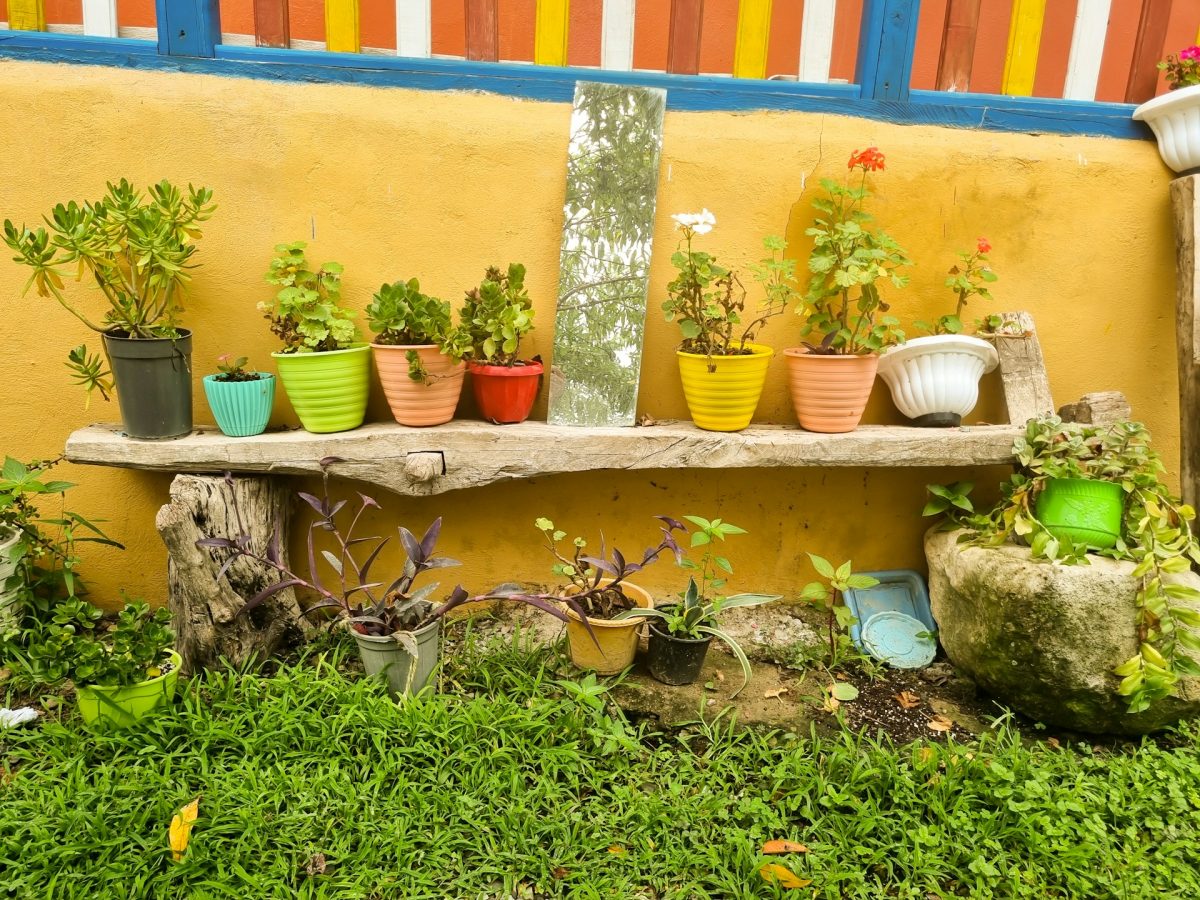
Have a stack of old plant pots sitting in the garage, looking lonely and wondering if they will ever grow anything again? Reusing containers feels satisfying, saves money, and helps the planet breathe a little easier. But planting straight into dusty, forgotten pots can quietly stress plants, invite disease, or sabotage new seedlings before they even start stretching their roots.
Smart gardeners know the secret is not throwing pots away but preparing them properly, because a little effort keeps roots happy and leaves shining green. Gardening does not always demand new materials, just thoughtful care, patience, and a bit of practical knowledge. Start by treating old pots like trusted tools that deserve a good refresh before they carry life again.
Why Old Pots Need Love Before They Hold New Life
Old pots collect more than memories. They gather dust, bacteria, fungi spores, fertilizer salt buildup, and tiny fragments of old soil that may carry diseases from past plants. Plant pathogens survive surprisingly well in moist crevices, especially if a pot stayed outdoors through rainy seasons. Using an unclean pot can introduce root rot organisms or fungal spores to fresh soil, which weakens young plants before roots grow strong enough to fight back. Many professional gardeners follow advice from the gardening community, which recommends sanitizing containers before reuse. The goal is simple: create a clean, welcoming home for new roots rather than forcing them to compete with invisible troublemakers hiding in the container walls.
Cleaning old pots also removes salt deposits left behind by fertilizers and hard water. These white crusty rings may look harmless, but excess mineral buildup changes soil chemistry and makes it harder for plants to absorb nutrients. Roots growing in salty soil sometimes dry out even when watering feels sufficient. Think of cleaning as giving the pot a fresh personality before inviting a new plant tenant inside. Rinse, scrub, and refresh so soil and roots start their relationship on fair ground.
Gardening feels more satisfying when the tools support plant life instead of quietly working against it. Taking ten or fifteen minutes to prepare a used pot often saves weeks of frustration later. Healthy plants usually start with clean surroundings, strong soil structure, and containers that do not carry hidden biological baggage.
Scrub Like You Mean It, But Do Not Hurt the Pot’s Skin
Grab warm water, mild dish soap, and a brush that reaches into corners and grooves. Begin by removing loose soil chunks because dry dirt makes cleaning harder and scratches surfaces when rubbed too aggressively. Wash plastic pots gently since harsh scrubbing can create tiny surface scratches where microbes like to hide later. Clay pots deserve similar care because they absorb moisture and can harbor spores inside microscopic pores.
After soap washing, rinse containers thoroughly until no slippery residue remains. Soap left behind can interfere with root development, and young plants tend to dislike chemical traces inside their homes. For extra protection, many gardeners use a mild disinfection step. Mix one part household bleach with nine parts water, then soak pots for about ten minutes. This step helps kill fungal spores and bacteria that simple washing might miss.
Always rinse again after disinfection because plants dislike bleach residue even more than they dislike old soil microbes. Let pots dry completely under sunlight when possible. Sunlight adds natural sterilization power since ultraviolet light damages microbial cells hiding on surfaces. Dry pots upside down so water does not settle inside rim edges. The process feels a bit like giving the container a spa treatment before asking it to support living roots.
Watch Out for Drainage Drama Because Roots Need Breath
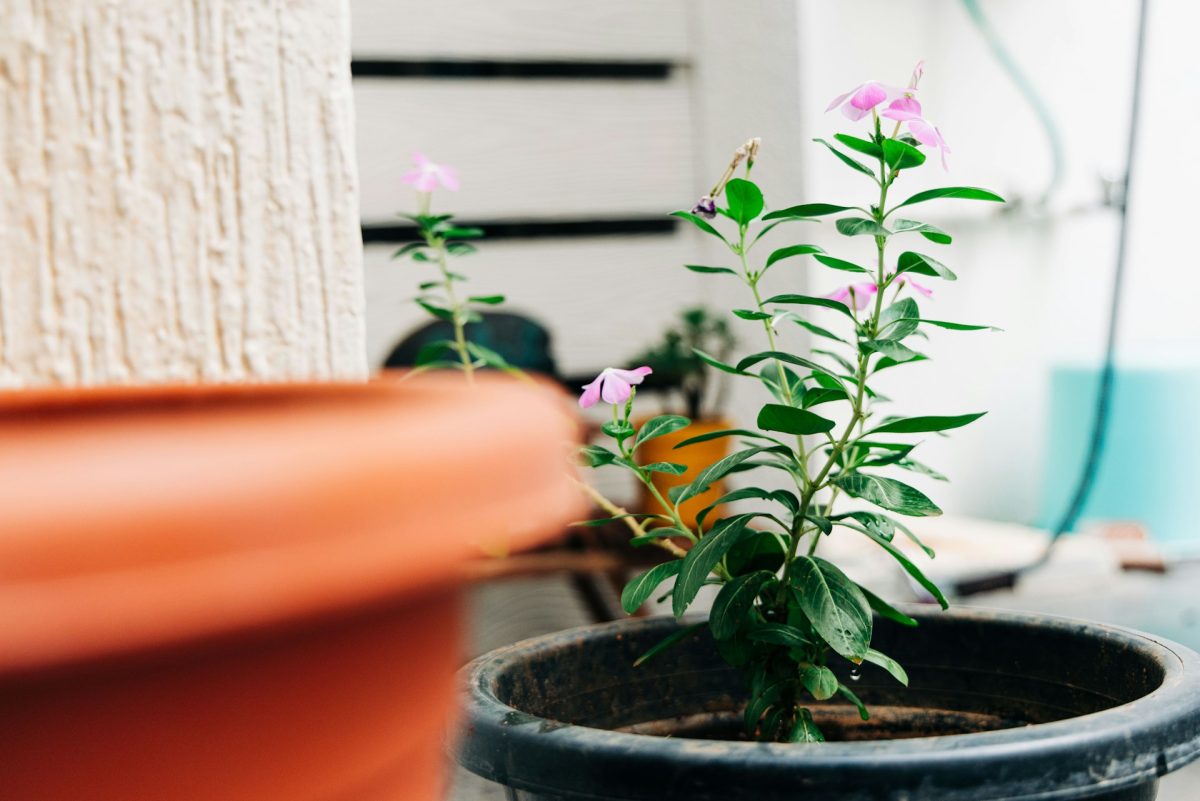
Good drainage sits near the heart of successful container gardening. Waterlogged soil suffocates roots because roots breathe oxygen just like leaves drink sunlight. Old pots sometimes have clogged drainage holes caused by compacted soil, mineral buildup, or tiny stones that slipped inside during past planting sessions.
Check the bottom of every reused pot carefully. Push a finger or small stick through drainage holes to confirm water can escape easily. If holes look too small, carefully enlarge them using proper tools, especially for plastic containers. Add a layer of coarse material such as gravel, broken ceramic pieces, or specialized drainage media before adding fresh potting soil.
Avoid using garden dirt directly in containers because outdoor soil often compresses and blocks air circulation. Choose high-quality potting mix designed for container growing. These mixes usually contain peat, composted bark, perlite, or similar materials that keep soil loose and airy. Loose soil encourages healthy root expansion, and roots growing freely spend more energy producing leaves and flowers.
Match Old Pots With New Plant Personalities
Not every plant enjoys every container shape or size. Young seedlings prefer smaller pots because excessive soil volume stays wet too long around fragile roots. Large mature plants want deeper containers that allow roots to stretch downward naturally.
Consider plant growth habits before choosing which reused pot to use. Herbs like basil and mint grow happily in medium-sized containers with good drainage and moderate sunlight. Flowering plants often need slightly deeper soil to support strong stems and bloom production. Succulents and cacti need pots that dry quickly between watering sessions since these plants evolved in dry environments.
Do not forget sunlight exposure. Dark-colored pots absorb more heat, which can stress roots during hot afternoons. Light-colored containers reflect sunlight and keep soil temperature more stable. Moving pots occasionally also helps plants grow evenly because sunlight distribution changes throughout the day.
Giving Old Pots a New Story
The best trick is remembering that containers do not grow plants alone; care grows plants. Reusing pots becomes eco-friendly gardening when cleaning, drainage, soil selection, and plant matching happen together. Old pots gain new purpose when filled with healthy soil, strong seedlings, and patient watering habits.
So, the next time an old pot sits waiting on a shelf, ask what new plant story it might help write. Which herb, flower, or leafy friend deserves that container’s second life? And what will grow if patience and preparation walk together into that soil?
How do you usually prepare old pots before planting something new inside them? We want to hear your advice in the comments section.
You May Also Like…
Why Reusing Nursery Pots Without This Step Is Costing Gardeners Hundreds
10 Backyard “Warm Spots” Where Plants Survive the Coldest Nights
How to Save Your Pots from Cracking in the Cold (Without Buying New Ones)
How to Stop Mold and Fungus Before They Harm New Growth
7 Container Gardens You Can Move Indoors for Winter Success

Brandon Marcus is a staff writer for FrugalGardening.com at District Media, Inc., where he delivers practical gardening advice with a relatable, no-nonsense style. An avid amateur gardener, he holds a BA degree and with over ten years of professional writing experience, he is also an award-winning published author whose first book, Questions For Deep Thinkers, was released by Adams Media. His work has appeared in major publications including Fandom.com, CHUD.com, TheColdWire.com, and Fansided.com.
Leave a Reply