Warm days start stretching longer, flowers push green shoots through soil, and excitement builds about fresh tomatoes, roses, or herbs growing near the porch. Then something else wakes up too. Tiny mouths start testing leaves, stems, and roots long before summer heat arrives. A backyard that looks peaceful on the surface can hide a growing appetite among small insects that prefer tender spring plant tissue over tough mature foliage.
Early pest control matters because young plants struggle when insects start feeding before root systems grow strong. Damage that begins in spring often follows plants all season, slowing growth, reducing harvests, and sometimes killing fragile seedlings. Home gardens feel alive when spring starts, but this season also acts like an open invitation for hungry bugs looking for an easy meal.
1. Tiny Sap-Suckers That Arrive First: Aphids and Their Relatives
Aphidoidea members rank among the most common early-season plant pests found around homes. These soft-bodied insects gather in clusters under leaves and along young stems, drinking plant sap like it runs out of style. Leaves start curling, yellowing, or showing sticky residue called honeydew after aphids feed.
Aphids reproduce fast when weather warms slightly, and a single female can produce dozens of offspring without mating. That speed makes control important because populations explode in just a few weeks. Ladybugs and lacewings naturally help control aphids, so encouraging beneficial insects inside the garden works better than panicking and spraying everything.
Gardeners can check plant tips and leaf undersides every three or four days during spring. Washing aphids off with a strong spray of water from a hose helps reduce populations without harming plants. Planting herbs such as dill or fennel sometimes attracts natural predators that keep aphid numbers balanced.
2. The Sneaky Leaf Skeleton Builders: Japanese Beetles Showing Early Interest
The adult stage of the pest known as Popillia japonica tends to appear later in summer, but larvae feeding underground start damaging grass and roots long before adults fly. Early root damage weakens plants, making them more vulnerable when summer heat arrives.
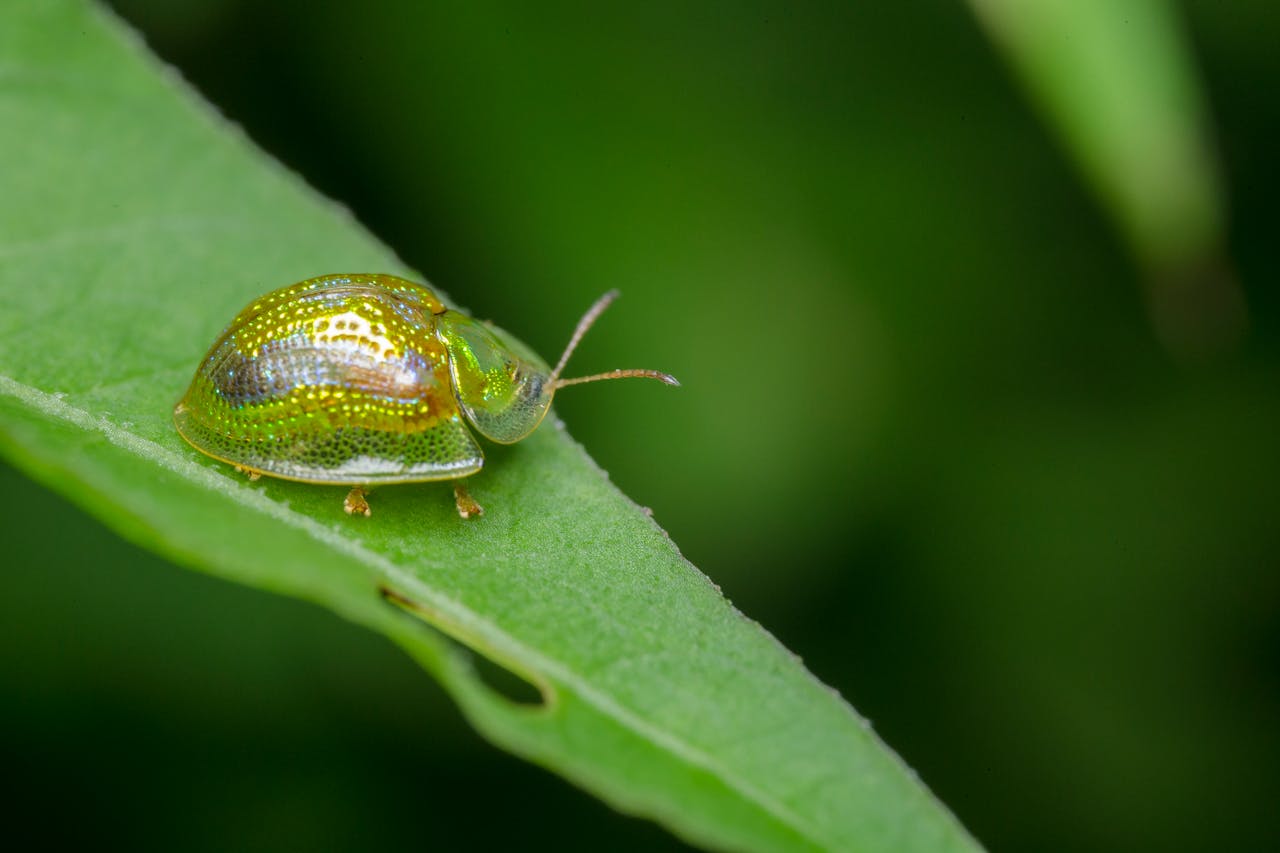
Adult Japanese beetles create lace-like patterns on leaves after eating the soft tissue between veins. Roses, grapes, and fruit trees often suffer the most visible damage. The metallic green and copper shine of these beetles looks pretty from far away, but their feeding behavior proves anything but beautiful for garden health.
Handpicking adult beetles from plants works surprisingly well for small yards. Dropping them into soapy water stops reproduction quickly. Setting traps far away from valuable plants helps draw beetles away without encouraging them to gather closer to garden beds.
3. Spider Mites That Love Dry Spring Weather
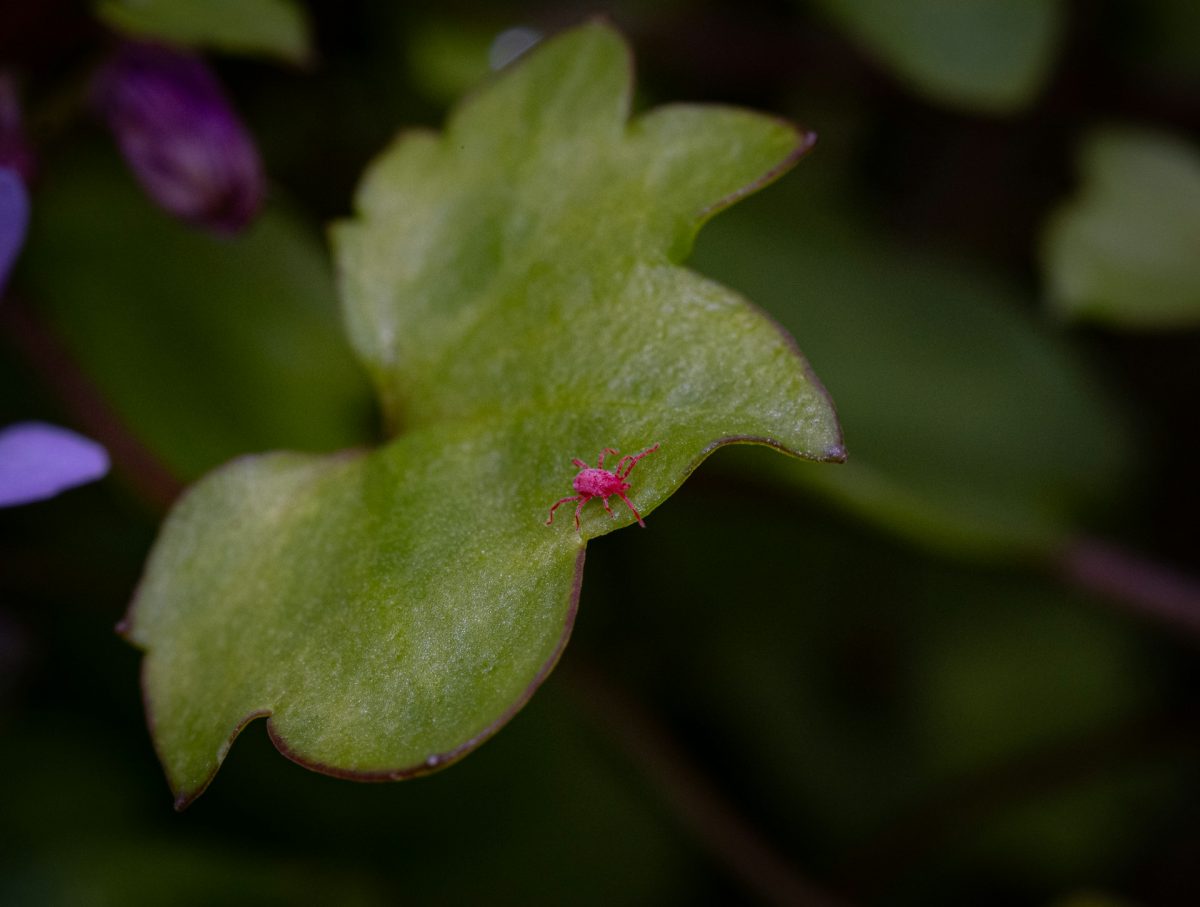
Members of Tetranychidae thrive when spring days turn warm but remain dry. These microscopic pests rarely look impressive individually, but colonies produce visible webbing on leaf surfaces. Plants infected with spider mites often develop dull coloring before leaves turn speckled yellow.
Spider mites drink plant fluids by puncturing cells, which causes tiny dead spots across foliage. Because these pests prefer dry environments, spraying plant leaves lightly with water during morning hours helps discourage infestation. Predatory mites and other natural enemies keep spider mites under control when gardeners avoid using broad-spectrum insecticides. Monitoring dusty or stressed plants proves important since mites often attack plants already struggling with water stress.
4. Cutworms Waiting Underground Like Nighttime Raiders
Cutworms behave like stealthy attackers hiding inside soil during daytime hours. These larvae belong to several moth species and cut young seedlings at the base when night arrives. Plants sometimes look perfectly healthy during afternoon inspections only to fall over by morning.
Young vegetable plants suffer most from cutworm attacks, especially tomatoes, peppers, and lettuce. Wrapping cardboard collars around seedling stems protects plants by blocking larvae from reaching tender tissue.
Cleaning debris and removing weeds near garden beds reduces cutworm hiding spots. Turning soil lightly before planting exposes larvae to birds and sunlight, which naturally lowers population numbers.
5. Whiteflies Floating Like Dust That Suddenly Moves
Whiteflies belong to several species but share similar behavior. These small insects fly in clouds when disturbed and gather under leaves to drink sap. Plants infected by whiteflies often develop weak growth and sticky surfaces.
Aleyrodidae members transmit plant viruses in some cases, which makes early control extremely important. Yellow sticky traps placed near plants help monitor whitefly activity.
Spraying insecticidal soap on leaf undersides provides effective management when applied carefully. Repeating treatment every few days during infestation helps break the whitefly life cycle.
6. Slugs That Leave Silver Trails Across Leaves
Slugs may not belong to the insect world, but these soft-bodied garden visitors deserve attention. Moist spring weather encourages slug activity, especially near shaded flowerbeds and vegetable patches. Slugs feed mostly at night, leaving shiny slime trails across soil and leaves. Holes appearing inside leafy vegetables often signal slug feeding. Copper tape around pots and raised beds creates a mild barrier because slugs dislike crawling across copper surfaces.
Removing mulch temporarily around young plants sometimes reduces slug hiding areas. Encouraging birds and ground beetles inside the yard also supports natural slug control.
7. Armyworms Marching Through Green Leaves
Spodoptera frugiperda larvae sometimes appear early when warm spring temperatures arrive faster than expected. These caterpillars feed aggressively and move in groups, which creates the impression of an army marching across plants.
Armyworms chew large irregular holes through leaves and sometimes destroy entire seedlings overnight. Checking garden beds after dusk helps detect armyworm activity since larvae feed most actively during night hours. Removing egg clusters found under leaves prevents outbreaks before they begin. Bacillus-based biological pesticides offer targeted control without harming beneficial insects.
8. Thrips That Turn Leaves Silvery and Weak
Thrips are slender insects that scrape plant surfaces instead of chewing normally. Damage often appears as silver streaks or distorted flower petals. Flowers sometimes fail to open correctly after heavy thrip feeding. Members of Thysanoptera spread quickly inside greenhouses and protected garden spaces. Reflective mulch and good airflow help discourage thrip settlement.
Regularly pruning damaged leaves keeps infestations from spreading. Introducing natural predators such as minute pirate bugs helps maintain garden balance.
9. Cucumber Beetles Targeting Tender Vegetables
Acalymma vittatum attacks cucumbers, squash, and melon plants by feeding on leaves and transmitting bacterial wilt. Young plants suffer most because beetles prefer soft tissue. Row covers placed over vegetable seedlings during early spring create strong protection. Removing covers briefly during flowering allows pollinators to visit while still controlling beetle entry.
Planting trap crops around garden borders sometimes draws beetles away from main plants. Monitoring leaf edges for yellow-and-black striped insects helps catch outbreaks early.
Staying Ahead of Backyard Invaders Before Summer Arrives
Spring gardening feels exciting because growth begins again after winter rest, yet this season also gives pests their starting advantage. Checking plants every few days, watering wisely, encouraging natural predators, and removing debris keeps pest pressure low.
Taking a walk through the backyard in the morning while looking under leaves, along stems, and near soil surfaces becomes a simple but powerful habit. Small actions protect future harvests and keep flowers looking bright when summer finally arrives.
What pests show up most often in your backyard or garden spaces? Share experiences, tips, or questions in the comments section, or talk about which of these bugs appears most annoying during spring.
You May Also Like…
12 Of The Worst Garden Pests And How To Get Rid Of Them
How to Catch Hidden Pests Before They Invade Your Shed This Winter
The Pest That’s Wiping Out Backyard Tomatoes in Georgia — And How to Stop It Cheaply
This One Winter Gardening Habit Could Be Spreading Invasive Pests Across the South
Why Pests Overwinter in Untended Garden Beds

Brandon Marcus is a staff writer for FrugalGardening.com at District Media, Inc., where he delivers practical gardening advice with a relatable, no-nonsense style. An avid amateur gardener, he holds a BA degree and with over ten years of professional writing experience, he is also an award-winning published author whose first book, Questions For Deep Thinkers, was released by Adams Media. His work has appeared in major publications including Fandom.com, CHUD.com, TheColdWire.com, and Fansided.com.
Leave a Reply