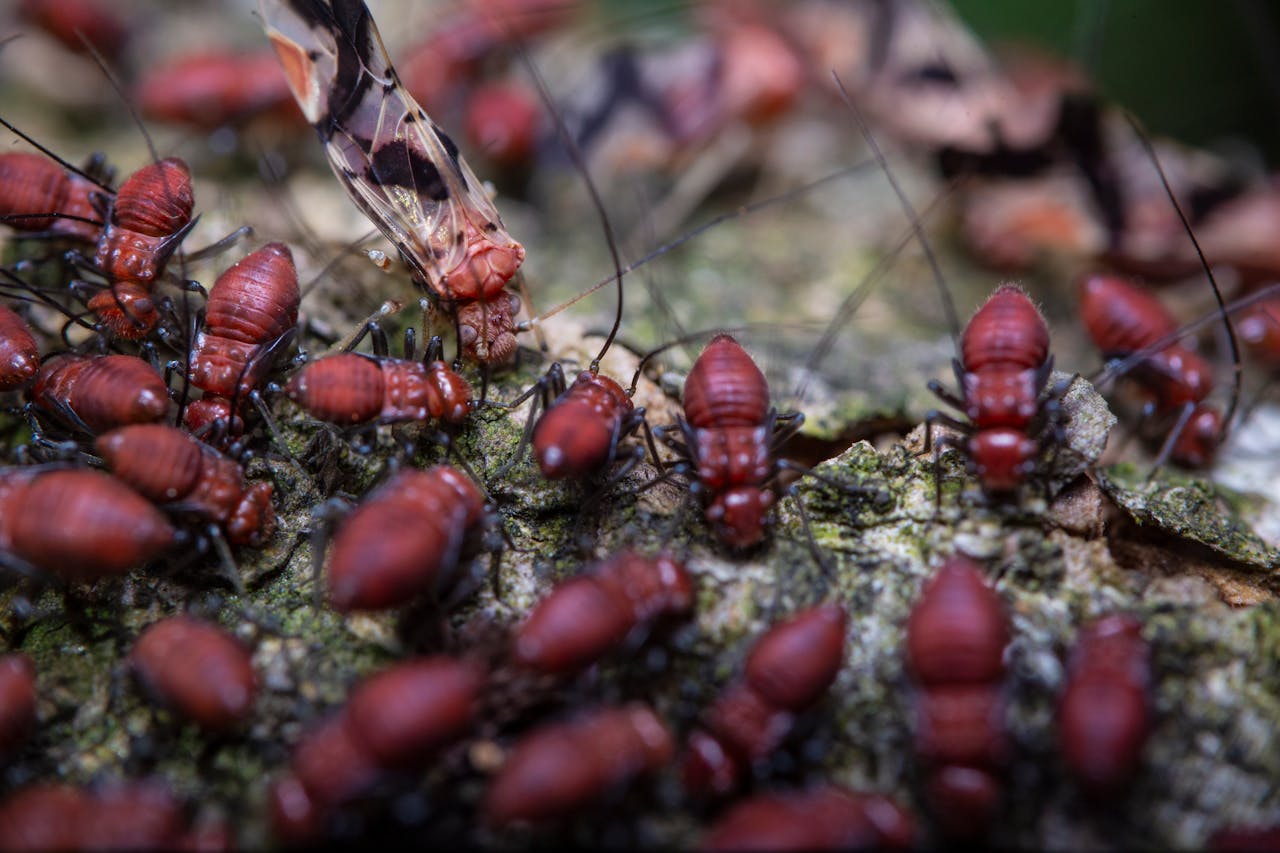
A thriving garden should signal growth, color, and life. It should not signal structural danger. Yet the soil and mulch that nourish flowers and shrubs can also create the perfect front door for termites. These insects do not charge in dramatically. They work quietly, steadily, and with purpose. Catching their early signs around garden beds can save thousands of dollars and endless frustration.
Garden beds sit right against foundations in many homes, and that close contact gives termites exactly what they want: moisture, food, and shelter. The great news? Termites leave clues. The key lies in knowing how to spot them before real damage sets in.
Mud Tubes That Mean Business
Termites cannot survive in open air for long, so they build protective highways made of soil, saliva, and wood particles. These mud tubes often snake up foundation walls, along concrete seams, or even across exposed brick near garden beds. They look like narrow veins of dried dirt, about the width of a pencil, and they serve as covered tunnels between the soil and a food source.
When garden beds sit too high against siding or foundation walls, they give termites a short, hidden climb straight into structural wood. A quick walk around the yard every few weeks can reveal these tubes before termites reach interior framing. Break a small section of a suspicious tube and check for creamy-white insects inside. If activity appears, professional pest control should step in quickly because termites do not take breaks once they find a food source.
Keeping mulch and soil at least a few inches below the siding line reduces the risk dramatically. That simple landscaping adjustment forces termites to expose themselves if they attempt entry, making detection much easier.
Wood That Sounds Hollow or Feels Soft
Garden beds often include wooden borders, stakes, trellises, or decorative features. Termites love untreated wood that stays damp from irrigation or rainfall. They eat wood from the inside out, which means the surface may look intact while the interior turns into a fragile shell.
Press a screwdriver gently into wooden edges around garden beds. If the tool sinks in easily or the wood crumbles, termites may have already started feeding. Tap exposed wood and listen closely. Solid wood produces a firm sound, while termite-damaged wood often sounds hollow.
Do not ignore damaged landscape timbers. Subterranean termites, which account for the majority of structural infestations in the United States, live in soil and travel upward in search of cellulose. Once they establish a feeding site in garden bed wood, they can extend their tunnels toward the home itself. Replacing old, untreated wood with pressure-treated or composite materials lowers the appeal and cuts off an easy buffet.
Discarded Wings Near Soil and Mulch
Certain times of year bring a dramatic but brief event: termite swarming season. Reproductive termites, often called swarmers, leave established colonies to start new ones. They fly toward light, pair off, and then shed their wings once they land.
Garden beds near exterior lighting or bright windows often collect these delicate, translucent wings. They resemble fish scales scattered across soil, mulch, or window sills. Spotting a pile of discarded wings does not automatically mean structural damage exists, but it signals that a colony lives nearby.
Unlike flying ants, termite swarmers have straight antennae, equal-length wings, and a thick waist. Correct identification matters because ants require a completely different control approach. When wings appear around garden beds, schedule an inspection promptly. Swarmers indicate mature colonies that may already feed on nearby wood.
Excess Moisture That Invites Trouble
Termites thrive in damp environments. Garden beds that receive heavy irrigation, lack proper drainage, or sit against clogged gutters create a moisture-rich zone that attracts colonies. Even the most beautiful landscaping design can unintentionally support termite activity when water pools near the foundation.
Check irrigation systems regularly and adjust sprinkler heads so they avoid spraying directly onto siding. Confirm that downspouts direct water several feet away from the home. Rake mulch periodically to prevent it from matting and trapping moisture against wood surfaces. Organic mulch does not automatically cause termites, but thick layers placed directly against the structure increase risk. A two- to three-inch layer works well for plant health without turning into a damp hiding place. Some homeowners choose alternatives like rubber mulch or gravel near the foundation to reduce cellulose sources altogether.
Cracked or Bubbling Paint Near Garden Beds
Termite activity can create subtle visual changes along exterior walls. As termites tunnel behind siding or trim, they introduce moisture and damage that may cause paint to bubble, crack, or peel. Garden beds that press tightly against the home often conceal these early warning signs.
Pull back shrubs and foliage occasionally to inspect the foundation line. Look for uneven surfaces, tiny holes, or blistered paint. These symptoms sometimes mimic water damage, which makes professional evaluation important. Termites often enter through tiny foundation cracks or expansion joints that sit hidden behind thick landscaping.
Maintaining a clear inspection gap between plants and the house helps tremendously. Trim shrubs regularly and avoid stacking firewood or lumber near garden beds. Open space equals visibility, and visibility equals early detection.
Frass and Soil Where It Should Not Be
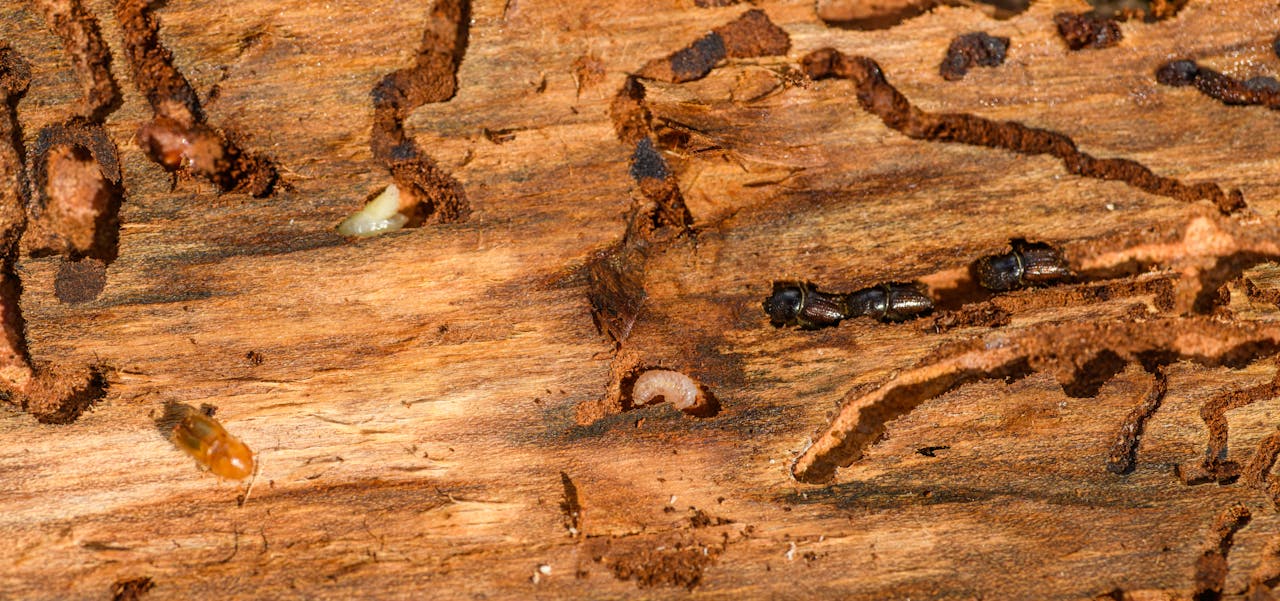
Subterranean termites typically use mud tubes and keep their droppings inside tunnels, but drywood termites push out small, pellet-like droppings called frass. While drywood species usually infest exposed wood rather than soil, they can target wooden landscape features in warmer regions.
If small piles of what looks like sawdust appear near wooden borders, investigate further. Frass pellets have a uniform shape and feel gritty. Soil buildup in unusual spots around wood joints can also signal tunneling activity.
Avoid assuming that every bit of debris signals termites. Carpenter ants and certain beetles also damage wood. Accurate identification ensures proper treatment, and licensed pest control professionals can distinguish among these pests quickly.
Landscaping Choices That Lower Risk
Prevention always beats repair. Smart garden bed design reduces the likelihood of termite issues without sacrificing beauty. Keep soil levels several inches below siding and maintain a visible foundation line around the entire home. Choose pressure-treated lumber or composite materials for raised beds. Install metal termite shields during construction projects when possible. These shields create a physical barrier that forces termites into visible areas if they attempt entry.
Regular inspections remain essential. Many pest control companies recommend annual termite inspections, especially in regions with high activity. Early detection allows targeted treatment before colonies spread. Modern solutions include baiting systems placed strategically in soil, which eliminate colonies over time without widespread chemical application.
Homeowners who take landscaping seriously often overlook how design decisions influence pest behavior. Thoughtful plant spacing, proper drainage, and careful material selection create a yard that supports plants without feeding termites.
Protect the Beauty Without Feeding the Beast
Garden beds should frame a home, not threaten it. Termites follow moisture and wood, and garden beds often provide both in generous supply. Mud tubes, hollow wood, discarded wings, moisture buildup, and subtle exterior damage all serve as early warning signs that demand attention.
Routine yard checks take little time and deliver enormous peace of mind. Adjust mulch depth, manage water flow, and replace vulnerable materials before termites seize the opportunity. Professional inspections add another layer of security and catch problems that untrained eyes may miss.
A lush landscape and a protected structure can coexist beautifully with the right awareness and action. Which of these warning signs will get a closer look from you during the next walk around the yard? Let’s talk about it in the comments.
You May Also Like…
Why Termite Activity Can Increase Around Gardens in Early Spring
Florida Is Bracing for a Major Pest Surge — Here’s the Low‑Cost Prep Homeowners Need Now
Why Ignoring Winter Garden Cleanup Leads to Bigger Pest Issues
March Garden Pests That Show Up Before You Notice the Damage
How to Catch Hidden Pests Before They Invade Your Shed This Winter

Brandon Marcus is a staff writer for FrugalGardening.com at District Media, Inc., where he delivers practical gardening advice with a relatable, no-nonsense style. An avid amateur gardener, he holds a BA degree and with over ten years of professional writing experience, he is also an award-winning published author whose first book, Questions For Deep Thinkers, was released by Adams Media. His work has appeared in major publications including Fandom.com, CHUD.com, TheColdWire.com, and Fansided.com.
Leave a Reply