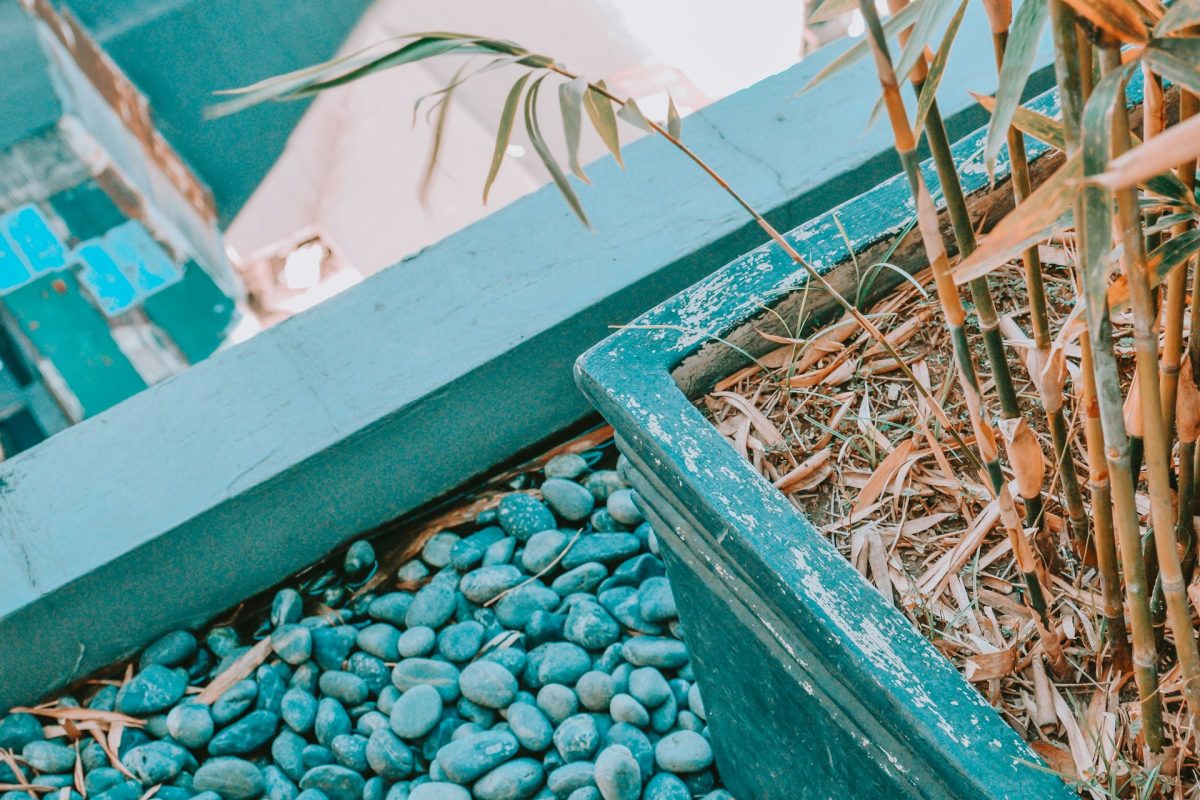
A yard covered in tidy stones might look sharp and low-maintenance, but that bargain-bin decision could quietly sabotage every plant in sight. Garden centers stack bags of decorative rock and gravel near the entrance for a reason. The price looks reasonable, the promise of “no more mulching every year” sounds irresistible, and the clean, modern look appeals to anyone who craves order in a flower bed. Rock mulch feels like a one-time purchase that solves a long list of problems. It seems practical. It seems efficient. It seems smart.
Yet that cheap gardening hack—using rock or gravel as mulch around plants—often stresses roots, overheats soil, and creates long-term headaches that cost far more than a few bags of wood chips ever would.
When “Low Maintenance” Turns High Risk
Rock mulch markets itself as the ultimate time-saver. It does not break down. It does not blow away easily. It does not need yearly replacement like shredded bark or wood chips. On paper, that sounds perfect.
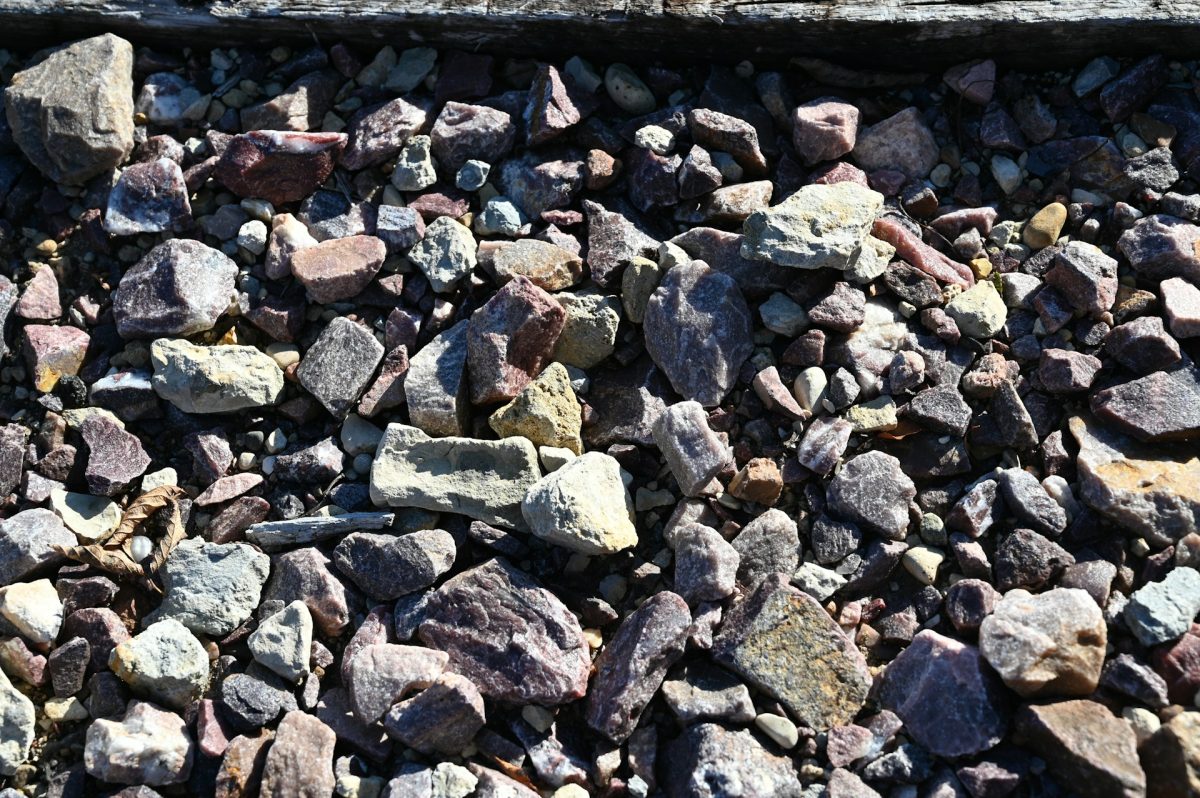
In reality, rocks absorb and hold heat. During hot weather, dark stones can reach temperatures far above the surrounding air. That heat transfers directly into the soil, raising root-zone temperatures beyond what many common garden plants tolerate. Roots function best within a moderate temperature range. When soil temperatures climb too high, roots struggle to absorb water and nutrients efficiently, and the plant above ground begins to show stress through wilting, leaf scorch, and stunted growth.
Wood-based mulches behave very differently. Organic mulch insulates soil, keeping it cooler in summer and warmer in winter. It buffers extreme temperature swings instead of amplifying them. Anyone who grows hydrangeas, hostas, roses, tomatoes, or most ornamental shrubs should think carefully before surrounding those roots with a layer of heat-trapping stone.
The Soil Suffocation Problem
Healthy soil needs air. Roots require oxygen to survive, and beneficial soil organisms thrive when air and moisture move freely through the top layers. Rock mulch often compacts the soil beneath it over time, especially when fine soil particles wash down between stones and settle.
Unlike organic mulch, rocks do not improve soil structure as they break down, because they never break down at all. Shredded bark, leaf mold, and compost slowly decompose and feed soil microbes. Earthworms move through that organic matter, loosening soil and creating channels for water and air. Rock mulch contributes nothing to that living system.
As seasons pass, the soil under the rock can become dense and lifeless. Water may run off instead of soaking in. Roots may struggle to spread. Plants may appear weak despite regular watering and fertilizing, because the root zone lacks the healthy structure that organic material supports. Gardeners often blame pests or disease, while the real issue sits right on the surface in plain sight.
Water Woes: More Complicated Than You Think
At first glance, rock mulch appears to conserve water. It covers the soil, blocks direct sunlight, and reduces surface evaporation. That sounds like a win, especially in hot climates.
The problem lies in how water actually moves. Rainfall or irrigation can hit rocks and run off instead of soaking evenly into the soil below. On slopes, water can travel quickly across the stone surface, leaving the root zone drier than expected. Meanwhile, the heat stored in rocks can increase evaporation from the soil beneath once the sun returns.
Organic mulch, by contrast, absorbs water and releases it slowly into the soil. It acts like a sponge. It softens the impact of heavy rain and reduces runoff. For vegetable beds, flower borders, and young trees, that steady moisture supply makes a measurable difference in growth and resilience.
Weed Control: Not the Miracle It Claims to Be
Many people turn to rock mulch to stop weeds for good. The logic seems simple: cover the soil with stone, and weeds cannot grow. Unfortunately, weeds rarely follow simple logic.
Wind carries seeds. Birds drop them. Dust and organic debris settle between rocks and create a thin layer of soil over time. Once that happens, weeds germinate right on top of the stones. Pulling them becomes more difficult because roots tangle between rocks instead of sliding easily out of loose mulch.
Organic mulch suppresses weeds effectively when applied in a layer about two to three inches thick. It blocks light and prevents many seeds from sprouting. If weeds do appear, removal takes less effort because roots anchor in softer material. Rock mulch often delivers the opposite experience: stubborn weeds wedged tightly among stones that scatter across the bed during removal.
The Long-Term Headache Nobody Talks About
Once rock mulch covers a bed, removing it becomes a major project. Each season brings falling leaves, petals, and organic debris that settle between stones. Cleaning that mix proves nearly impossible without shoveling everything out. Over time, the area may look messy rather than tidy, especially in gardens with deciduous trees.
Switching back to organic mulch later demands hours of labor. Rocks must be scooped, sifted, or hauled away. Soil often needs amending to restore structure and fertility. What started as a budget-friendly shortcut can turn into a backbreaking overhaul.
For those who love the look of stone, placement matters. Rocks shine in dry creek beds, pathways, and around truly drought-adapted plants such as lavender, sedum, and certain ornamental grasses. In those settings, rock complements the plant’s natural habitat. In mixed borders filled with moisture-loving plants, rock often clashes with biological reality.
Smarter Alternatives That Support Plant Health
Gardeners who want low maintenance without sacrificing plant health can choose organic mulches such as shredded bark, pine straw, compost, or leaf mold. These materials cost less than many decorative stones and actively improve soil over time. They regulate temperature, conserve moisture, and feed the underground ecosystem.
Applying mulch correctly makes all the difference. Spread a layer two to three inches deep, and keep it a few inches away from plant stems and tree trunks. Piling mulch against bark invites rot and pests. A simple ring around each plant allows air circulation while still protecting the root zone.
Rethink the Bargain Before It Costs You
Rock mulch has its place, especially in xeriscapes and around plants that evolved in arid, rocky soils. Outside those niches, it often works against the natural processes that keep soil alive and roots healthy. Smart gardeners look beyond the price tag and ask a more important question: Does this choice help the soil breathe, hold moisture, and support life?
What about you? Do you think you’ll stop trying rock mulch this year, or will it remain part of your garden plans? Talk about it in our comments.
You May Also Like…
This Budget-Friendly Mulch Is Actually Acidifying Your Soil
Dog Owners Shocked After Learning Their Mulch May Be Toxic
The Mulch That’s Causing Seizures in Cats — And It’s Still Being Sold in Stores
11 Ways to Stop Mice From Nesting in Mulch
Why Gardeners in the Carolinas Are Skipping Mulch This Winter—And What Experts Say to Do Instead

Brandon Marcus is a staff writer for FrugalGardening.com at District Media, Inc., where he delivers practical gardening advice with a relatable, no-nonsense style. An avid amateur gardener, he holds a BA degree and with over ten years of professional writing experience, he is also an award-winning published author whose first book, Questions For Deep Thinkers, was released by Adams Media. His work has appeared in major publications including Fandom.com, CHUD.com, TheColdWire.com, and Fansided.com.
Leave a Reply